Varanasi Retains Top Spot in Uttar Pradesh’s NRLM Rankings
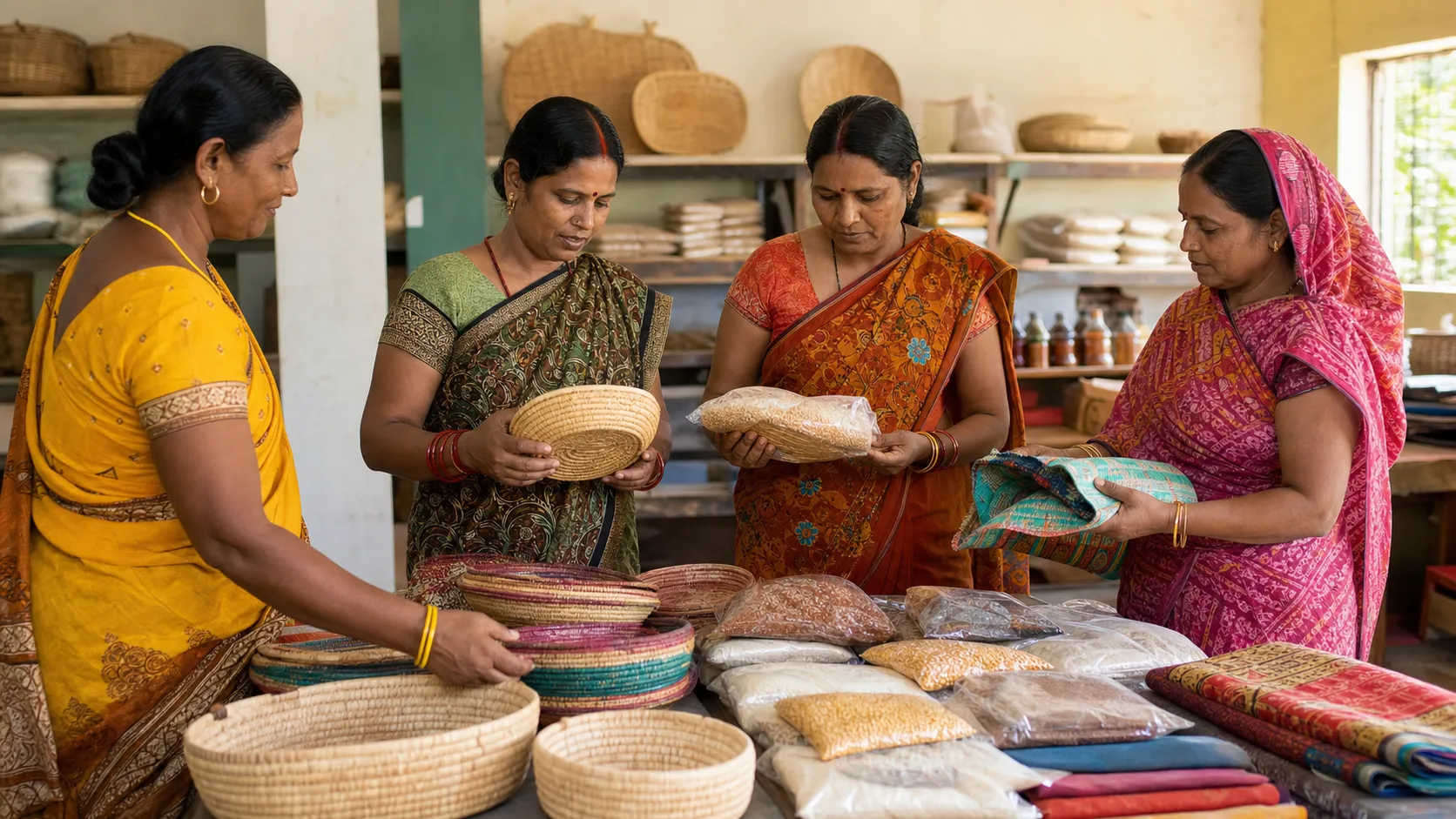
Varanasi has retained the number-one position in Uttar Pradesh’s National Rural Livelihood Mission rankings, finishing first in the assessment for June 2026 after also leading the state in May. The back-to-back result puts the district’s self-help group network and field implementation under a brighter spotlight, with officials crediting sustained work on women’s livelihoods, institutional data and financial linkage.
The monthly assessment is released under the Ministry of Rural Development’s DAY-NRLM framework. It does not rest on a single target. District performance is measured across a broad set of indicators that track whether groups are being formed, profiled, financed, audited and supported beyond their first meetings.
Among the measures are the profiling of self-help groups, village organisations and cluster-level federations on the LoCoS platform. The ranking also considers group formation, bank-credit linkage, start-up support, internal audits and use of the Vulnerability Reduction Fund in model clusters. Deployment of community workers such as BC Sakhis and Vidyut Sakhis forms another part of the implementation picture.
Varanasi’s NRLM team has also pointed to producer groups, expenditure against the annual action plan and the presence of specialised community resource persons. These indicators matter because a group can look active on paper while members still struggle to reach credit, buyers or technical advice. Consistent data should reflect functioning institutions, not merely completed entries.
Deputy Commissioner, NRLM, Pawan Kumar Singh has linked the district’s performance to its work with rural women and the support provided by the district administration. Project Manager Sravan Kumar Singh has highlighted the economic and social changes seen among women joining organised livelihood groups. Their claims will ultimately be judged by household income, debt quality, enterprise survival and the degree of control women have over earnings.
Market access remains a central challenge. Prerna Marts and Livelihood Promotion Centres have been set up across the district’s cluster-level federations to give products made by women’s groups a more regular sales channel. Varanasi also has 12 Integrated Farming Clusters, intended to connect farm-based livelihoods with organised planning and support.
The district says more women are entering the Lakhpati Mahila Club and taking up different income-generating activities. That momentum is encouraging, but the label should be backed by stable annual income rather than a short sales spike. Reliable bookkeeping, repeat customers, packaging, digital payments and freedom from exploitative credit are what make a rural enterprise durable.
The ranking can help identify what is working, but it should not become a finish line. Field teams still need to resolve inactive groups, delayed bank decisions and gaps between training and real demand. Public data should also remain clean enough for members themselves to understand how their organisation is performing.
Two consecutive first-place finishes give Varanasi a strong administrative result. The more meaningful win will be whether the system continues to widen opportunity for rural women after the monthly leaderboard changes—through better access to finance, stronger collective institutions and markets that pay a fair price for their work.
Related Stories

Railways Orders Weekly Puja Special 09465 via Varanasi Through November

Hindi Diwas Marked Across BHU, Sanskrit University and Kashi Vidyapith

Lohta Police Register FIR After Bhitari Villager Alleges Hostage Beating
Baragaon Police Book Named Youths After Kazisaray Tea-Stall Assault and ₹1,900 Loot

Mayor Announces Stricter MCG Drive Against Stray Cattle