Varanasi Mountaineer Pradeep Nathani Completes HMI Course and Mount Renok Climb
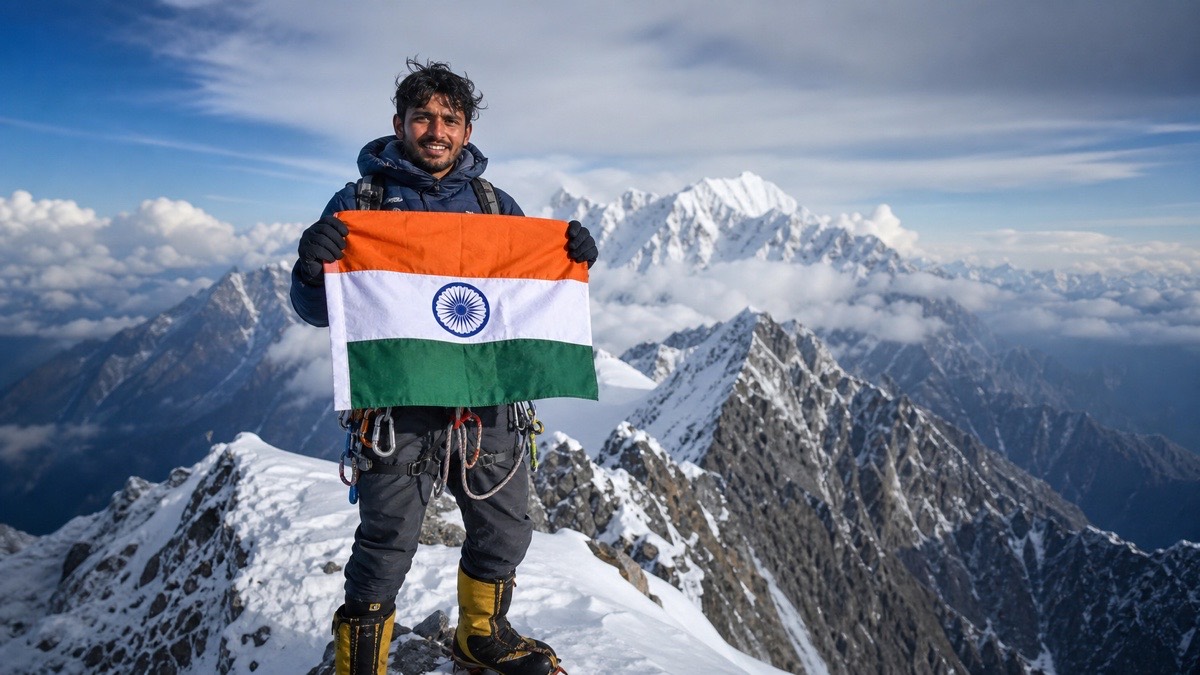
VARANASI: Pradeep Nathani of Varanasi has completed the Basic Mountaineering Course at the Himalayan Mountaineering Institute in Darjeeling and reached Mount Renok during the programme, marking a notable transition from city-based preparation to high-altitude field training.
The verified local report places the climb at approximately 16,500 feet and says Nathani completed the course with a B grade. His training covered rock craft, snow craft and ice craft—the practical foundations through which beginners learn movement, rope work, anchors, safety and decision-making in mountain terrain.
More than reaching a summit
A basic course is not simply a guided trek. Trainees are expected to maintain fitness, carry equipment, work in rope teams and respond to changing weather and terrain. Rock sessions build balance and climbing technique; snow and ice work introduces tools and methods that must be used precisely because mistakes at altitude have greater consequences.
The Mount Renok climb gives participants a chance to apply those lessons in a real expedition environment. Reaching the high point is the most visible moment, but instructors usually judge a trainee across the full course: endurance, discipline, teamwork, technical performance and respect for safety procedures.
Nathani reportedly unfurled the Tricolour after the climb. The image connects an individual sporting achievement with Varanasi, a city better known nationally for its riverfront and heritage than for mountain training.
What the achievement can build
For young people in the city interested in adventure sport, the course offers a practical example of the preparation required. Aspirants need cardiovascular conditioning, leg strength, medical fitness and familiarity with the risks of altitude. Recognised institutes also teach environmental responsibility, including waste management and low-impact travel.
A B grade indicates successful completion while leaving room for further technical development. If Nathani wants to progress, advanced mountaineering, search-and-rescue training or supervised expeditions would be logical next steps. Sponsorship and access to equipment remain common barriers for climbers from cities without a large mountaineering ecosystem.
The value of the achievement lies in that progression. Nathani did not merely visit the mountains; he completed a structured course, trained across three types of terrain and tested those skills on a high-altitude objective. His return to Varanasi can help make mountaineering feel less remote to local students—provided the story is told with equal emphasis on preparation, safety and the disciplined work behind the summit photograph.
Local institutions can support the next stage through conditioning facilities, small equipment grants and talks in schools, but they should avoid pushing inexperienced climbers towards unsupervised expeditions. The best tribute to a successful course is a stronger culture of preparation—one in which ambition grows alongside technical training, environmental care and the confidence to turn back when conditions demand it.
Sources and reporting
Based on a verified Dalimss News Banaras report published on August 11, 2026. Course grade, altitude and climb details are attributed to the participant’s reported HMI completion record.
Related Stories

Kashi Marks Baba Lat Bhairav’s Wedding Day After Tilak and Haldi Rituals

Over 800 Doctors Converge as API UP Chapter Conference Opens in Rohania

Chitaipur Arrests Two After Homeguard Anuradha Tiwari’s Alleged Suicide
Lanka Registers Assault Case After Narottampur Youth Dies During Treatment
Storm Uproots Electric Pole in Cholapur’s Jagdishpur; Local Supply Cut