Man Held in Varanasi Over Alleged Buried-Gold Fraud; Police Search for Associate
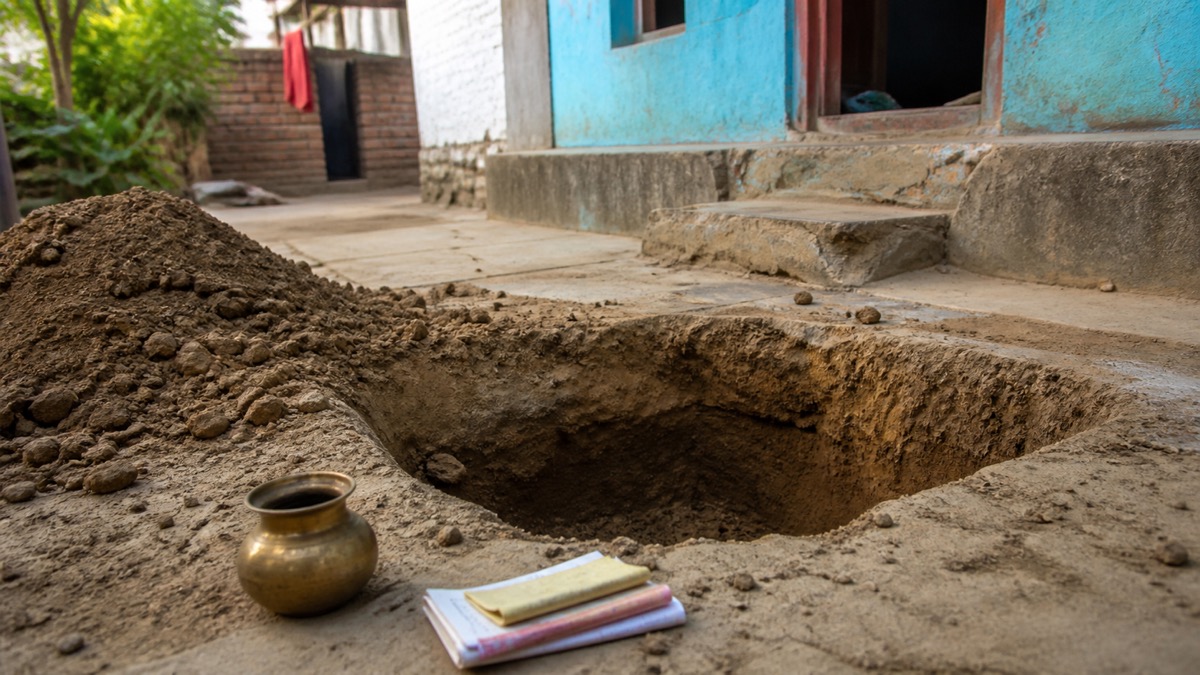
VARANASI: Police have arrested a man accused of participating in a confidence trick that persuaded victims to part with money on the claim that gold lay buried in the ground, while an alleged associate described as the principal operator remains at large.
The reported method relies on a familiar piece of deception: create the impression of secret knowledge, present a ritual or excavation as urgent, and keep the victim away from independent advice. The promise of hidden wealth can be reinforced with small metal objects, staged discoveries or warnings that the opportunity will vanish if anyone else is told.
Police have not completed the case, and the arrested person is entitled to the presumption of innocence. Investigators will need to show what was represented to the complainant, how money changed hands and what role each accused person allegedly played. Recovery records, messages, bank transfers and witness statements will matter more than labels such as “guru” and “disciple” used in early reports.
Why these schemes work
Buried-treasure frauds mix greed with fear. Victims may be told that an old property contains valuables but that a ritual, chemical or official payment is necessary before excavation. Once the first sum is paid, the fraudster can invent new obstacles and demand more money. Embarrassment then prevents some victims from approaching police quickly.
No legitimate archaeological or revenue authority asks residents to hand cash to a private intermediary to release hidden treasure. Finds with possible antiquity are governed by law and should be reported to the district administration or police. Digging on another person’s land can also create separate legal and safety problems.
The next stage of the case
Police are searching for the second alleged participant and may examine whether other complaints follow the same pattern. Investigators should publish a verified description only if it is necessary for locating the person; sharing unconfirmed photographs can expose unrelated people to harassment.
Victims who recognise the method should preserve chats, call logs, receipts and account details. They should not arrange a private meeting to recover money. A prompt complaint improves the chance that bank transfers can be traced and prevents the accused from destroying evidence.
The arrest is an investigative step, not a conclusion. A charge sheet will have to connect individual acts to the alleged deception, and a court will determine culpability. The public lesson is simpler: extraordinary claims about buried gold demand evidence, not secrecy, and any demand for advance payment should end the conversation.
Financial-literacy teams can use the case without mocking victims. Confidence tricks often succeed because a persuasive person builds trust over time. Public warnings should focus on the method, the payment demand and the safest reporting route, giving other victims confidence to come forward before losses grow.
Sources and reporting
Based on a Dainik Bhaskar report published August 13, 2026. The arrested man is an accused person; allegations remain subject to investigation and trial.
Related Stories

Kashi Marks Baba Lat Bhairav’s Wedding Day After Tilak and Haldi Rituals

Over 800 Doctors Converge as API UP Chapter Conference Opens in Rohania

Chitaipur Arrests Two After Homeguard Anuradha Tiwari’s Alleged Suicide
Lanka Registers Assault Case After Narottampur Youth Dies During Treatment

Storm Uproots Electric Pole in Cholapur’s Jagdishpur; Local Supply Cut