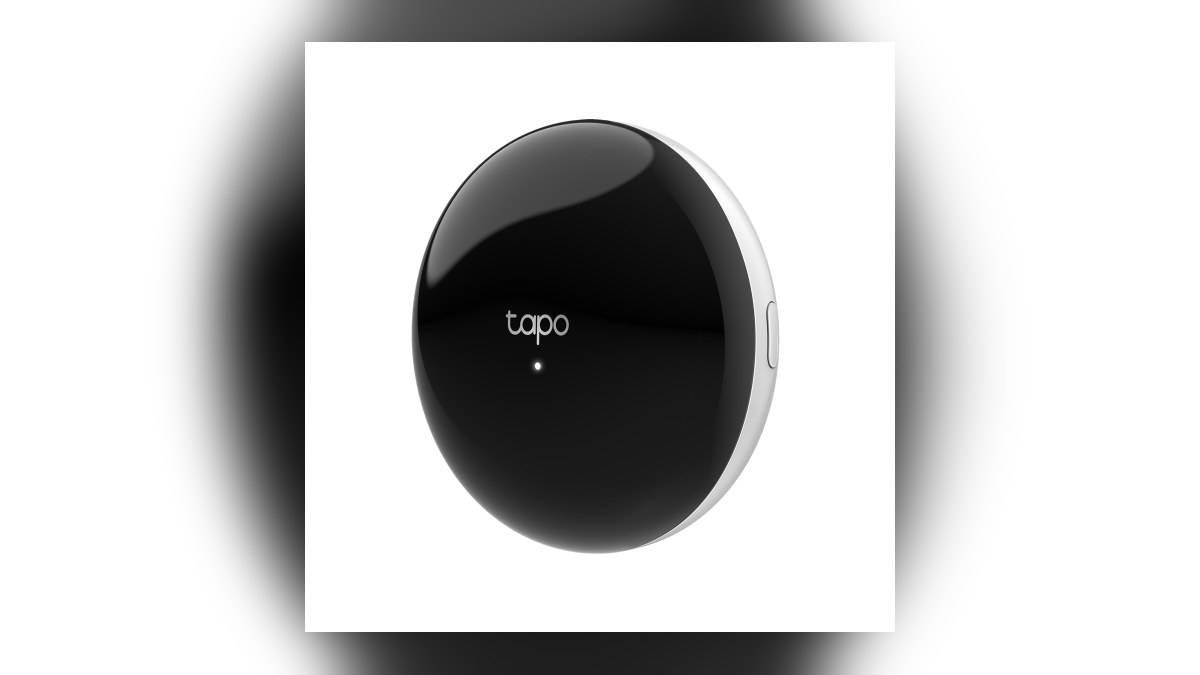
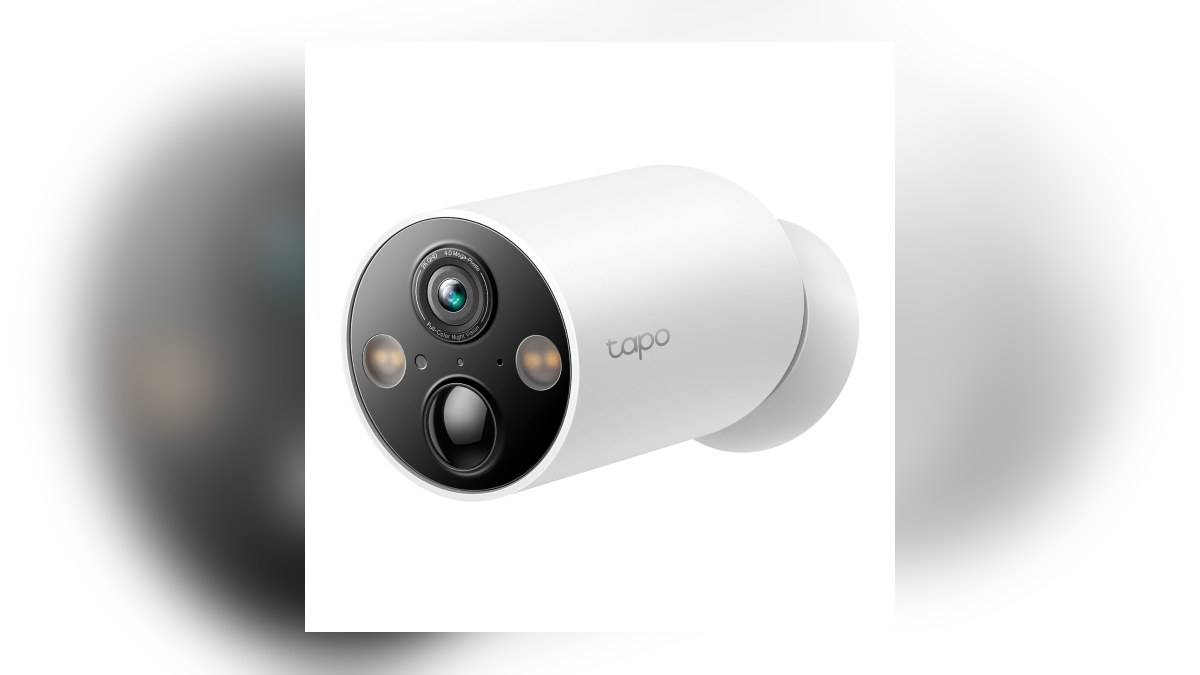
NEW DELHI: Tapo C425's advertised battery life of up to 300 days is based on 230 seconds of daily use in TP-Link laboratory testing. The company says that use includes recording and watching live views. Its India page gives a second reference of 180 days at 360 seconds a day, making the workload as important as the battery capacity.
| Item | Official detail |
|---|---|
| Battery | 10,000mAh built-in rechargeable battery |
| Long-life test | 300 days at 230 seconds of use per day |
| Higher-use test | 180 days at 360 seconds of use per day |
| India page resolution | 2560 x 1440 pixels |
| Local storage | microSD card up to 512GB, purchased separately |
| India page network | 2.4 GHz Wi-Fi; no hub required |
Read the workload beside the battery figure
The C425 is a battery-powered camera with an adjustable magnetic base. That combination addresses a practical installation problem: the desired viewing position may not have a nearby power socket. The long battery claim can make that position seem convenient, but the test conditions describe light daily use rather than a camera watched throughout the working day.
A busy entrance is a different assignment from a quiet rear door. As an example, repeated delivery visits and family movements could create more recorded activity, while opening live view to check each alert adds viewing time. TP-Link does not provide a guaranteed runtime for that household scenario. Its published figures should be treated as reference workloads, with actual performance assessed after installation.
The company also says settings, router specifications and environmental conditions affect battery life. There is consequently no sound basis for turning the headline number into a fixed charging date for every home. Keep an early record of charge level and how the camera is being used, then judge whether access for recharging remains practical.
Event clips and continuous footage are different jobs
Tapo's official V1 product page says the battery camera is not designed for continuous recording and records motion clips when activity is detected. This is a material distinction for anyone expecting an unbroken account of an entrance or corridor. A battery-life claim should not be read as a promise of continuous footage for the same period.
For an owner investigating a missing moment, start with the recording design. Ask whether the incident triggered an event and whether a clip was saved, rather than assuming that a complete timeline must exist. The local storage capacity tells you the supported card size; it does not establish a guaranteed number of days of footage.
The India page lists local microSD storage and subscription-based Tapo Care cloud storage. They are separate storage routes, with the card purchased separately. Check that the intended recording destination is actually configured, and play back a test event. Seeing a live image proves the camera can stream, but does not prove that the same event has been retained.
Solar support does not remove installation checks
TP-Link's India page identifies the Tapo A200 as a separately sold solar-panel option and qualifies the experience by placement angle, weather and camera use. Those conditions matter when choosing a shaded balcony or covered entrance. A panel shown alongside a camera in company materials should not be assumed to be part of the camera package.
Before fixing the camera permanently, check the view, wireless connection and how the unit can be reached for maintenance. A magnetic adjustment can make aiming easier, but it does not solve an awkward location for future charging. The installation should remain manageable even if actual activity is much higher than the laboratory workload.
Keep the hardware revision in view
The India page inspected for this report specifies a 150-degree diagonal field of view and the A200 panel. Tapo's global version selector also has a newer V2 page with different listed details. This report uses the India specification for those local-page figures and does not combine newer global features with the older listing.
That is a useful check for an existing C425 owner comparing instructions online. Read the hardware revision on the unit and match the corresponding support material before treating a feature description as applicable. A shared model name is insufficient evidence that a different regional or revision-specific specification applies to the camera already installed at home.
The most useful commissioning test is a complete event cycle: walk through the intended detection area, open the notification, review the saved clip and check the battery reading after normal use. That links the camera's advertised strengths to the actual job. The published runtime remains a qualified laboratory result, while the home test reveals whether the chosen position and recording workload suit this installation.
Related reading: Gadget and accessory price guide; Tapo C210 storage setup: check the 512 GB limit and recording mode; Tapo C225 privacy guide: 3 ways to stop video and audio.
Official sources: India product page and battery test conditions; Official C425 V1 recording limitation; Official current version selector and battery footnote.