New South Wales has brought a fire-ant control order into effect around Sydney's Enfield Intermodal Logistics Centre from October 26, placing conditions on the movement of materials that could carry the invasive insects. The two-kilometre control zone follows the discovery of a nest in September. It is not a restriction on residents travelling to work, school or other everyday destinations.
The state government's October 26 announcement says no additional fire ants have been detected since the initial nest, despite nearly 400 reports to the public hotline. Nine detector dogs and 60 personnel have searched the area. That surveillance result does not amount to a declaration that the risk has ended.
Which movements face conditions
The Biosecurity (Fire Ant, Enfield Intermodal) Control Order 2026 is dated October 26 and says it remains in effect until April 25, 2027. It defines the main control zone by a two-kilometre radius around the detected nest, with an inner treatment zone extending 500 metres. The original detection was on September 23.
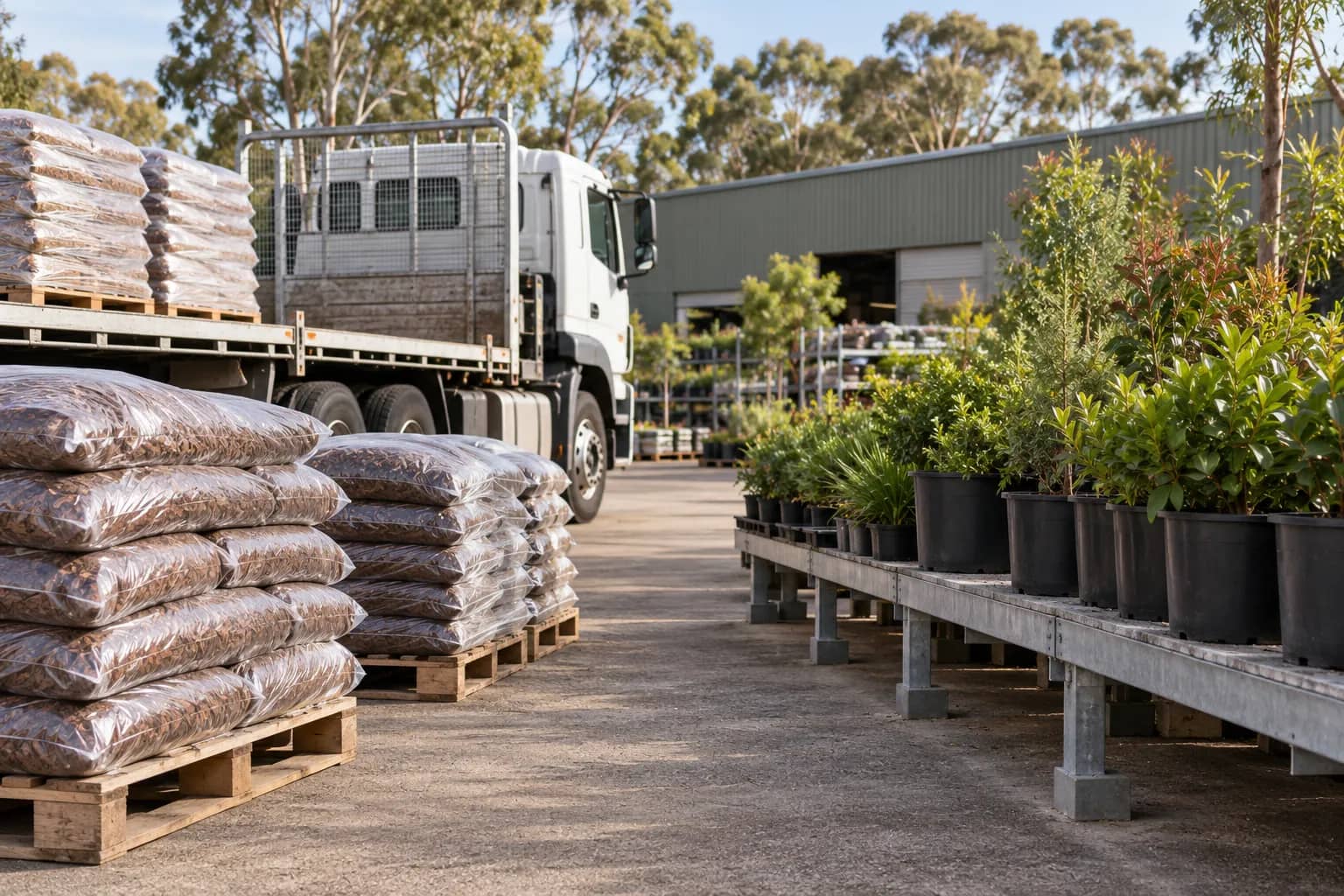
Materials covered include soil, mulch, turf and potted plants, alongside hay products and specified heavy machinery and equipment. The government's current guidance says requirements apply when relevant materials are taken out of or through the zone. Moving these materials within the zone is not covered by the movement restrictions described in the announcement.
The conditions are not limited to commercial operators. The state's public guidance says anyone moving the affected materials may need to comply, and the requirements vary by material and movement. Residents can still buy and use soil, plants and mulch, but that does not remove requirements when those goods are subsequently transported out of the control zone.
For heavy vehicles covered by the order, relevant parts must be checked and cleared of soil, growing media, mulch, compost and manure before the regulated movement. The text lists areas including wheels, mudflaps, the underside and load-carrying bins or trays. It also sets exceptions for specified transit situations, so the rule should not be read as a blanket ban on trucks entering or leaving Enfield.
Normal travel and household services continue
Authorities say people can continue entering and leaving the area, and there are currently no plans for vehicle checkpoints or spot checks. Schools remain open. If a school needs surveillance or treatment, the department says it will contact the school; if ants are found, safety measures would be introduced while treatment is carried out.
Councils will continue household waste collection and disposal. The official guidance says red-bin household waste is not considered fire-ant carrier material, while existing green-waste collection processes help reduce the risk of spreading ants. Those arrangements should not be confused with a general exemption for privately moving garden or building materials.
The department says it will work with residents and property owners where access is required for surveillance or treatment, explaining what is needed. Treatment carried out as part of the response is provided at no cost. Businesses moving affected materials are also being offered help to understand the handling and treatment requirements.
Report suspected nests rather than disturbing them
A community information point at Strathfield Park is available during the week through October 30, according to the current state information page. Earlier outreach included pop-up stands at Chullora Marketplace and Bunnings. The government says consultation and visits to affected premises preceded the introduction of the order.
Residents who suspect fire ants are asked not to destroy or treat a nest or try to catch the insects. The official instructions are to take a clear photograph or video safely and report the sighting through the government's online form or the NSW Biosecurity Helpline, 1800 680 244. This reporting route allows specialists to identify the insects and organise the response.
The government describes the new order as part of monitoring and compliance work expected to continue for six to 24 months. That broader response horizon is separate from the April 25 expiry written into the current order. The present rules should therefore be checked against the published document and any subsequent official changes, rather than assuming every restriction lasts for two years.
Related reading: The COP17 review of global biodiversity goals and Britain's planned AI Biosecurity Lab.
Source material adapted under the Creative Commons Attribution 4.0 licence. © State of New South Wales. For current information go to www.nsw.gov.au.