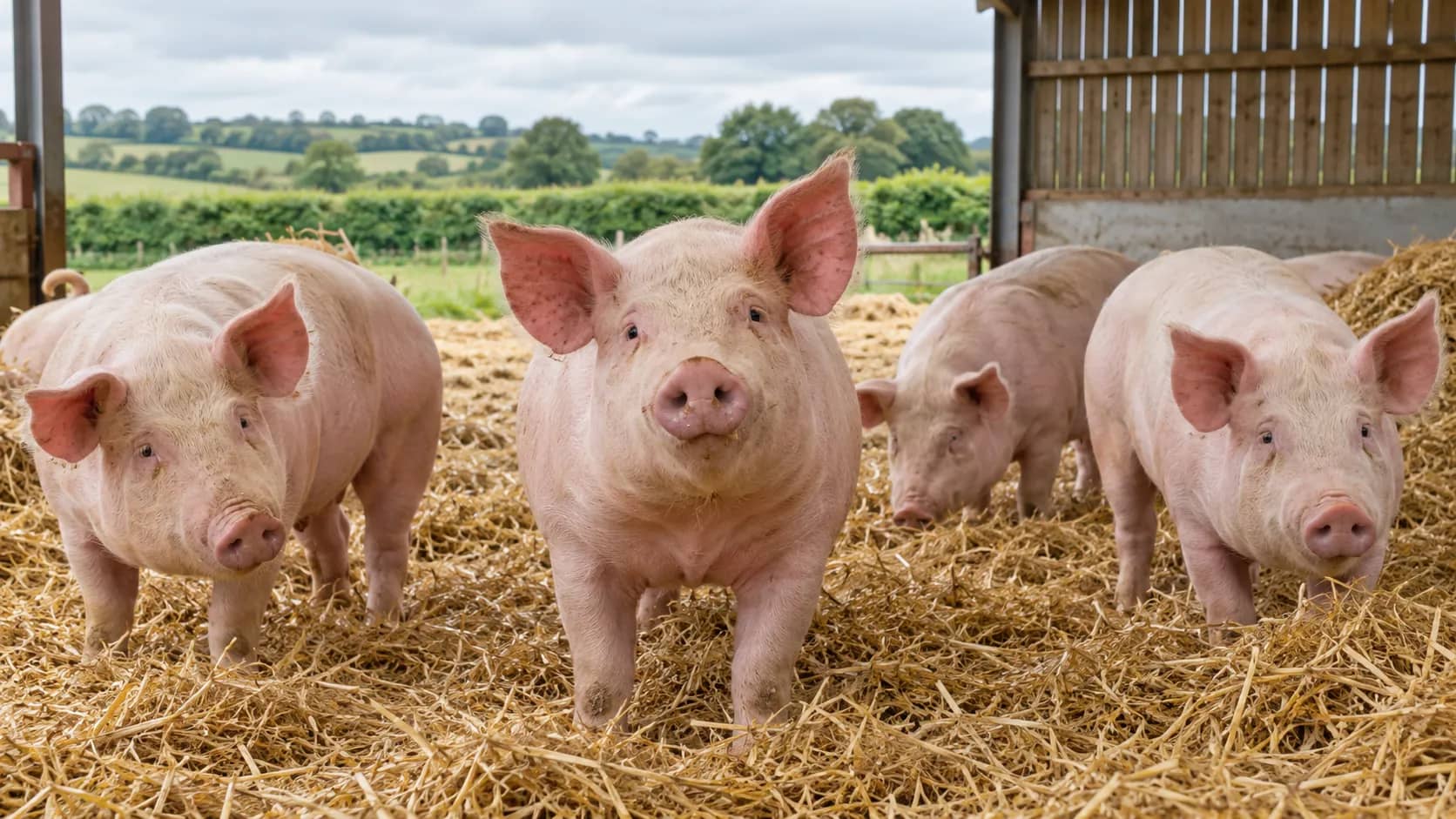
Britain's Department for Environment, Food and Rural Affairs has opened a consultation on phasing out high-concentration carbon dioxide stunning of pigs, proposing a move to alternatives intended to reduce animal suffering. Announced on 26 October, the exercise runs until 21 December 2026 and asks how the change could work in practice, including its costs and timetable.
The announcement is a proposal, not an immediate prohibition. Defra says businesses will need time to adapt and is seeking views on welfare benefits, feasibility and possible transition periods. Its release does not set a final date by which processors must stop using the method.
Argon gas and automated electrical stunning are among the alternatives identified in the department's announcement. The purpose is to address distress before animals lose consciousness. Farming Minister Stephen Morgan said the government intended to support farmers and businesses through the transition, while keeping animal welfare at the centre of the change.
What the evidence says
The consultation follows an Animal Welfare Committee opinion published on 16 October 2025, which Defra links from its new announcement. That report is earlier evidence informing the proposal, not a newly released study. The independent committee reviewed research, consulted industry representatives, veterinarians and regulators, and visited facilities using different methods.
The committee recommended prohibiting high-concentration carbon dioxide stunning. It also recommended a transition that was as short as possible and no longer than five years. That five-year limit was the committee's recommendation in its 2025 report. It should not be confused with an implementation deadline adopted by the government in today's announcement.
The report explains why changing the method involves more than replacing one gas with another. Existing carbon dioxide systems allow pigs to remain in groups and support high processing rates. Alternative systems must protect welfare while also accommodating the layout and operating requirements of individual premises.
Costs and training remain part of the decision
In its assessment, the committee said conversion costs would differ between sites depending on their existing equipment, layout and chosen alternative. Infrastructure changes could be needed to maintain throughput. It also warned that a sudden reduction in processing capacity could itself create welfare problems on farms.
Argon brings practical constraints, including higher gas costs and longer exposure periods than carbon dioxide, the report said. Additional equipment operating alongside an existing line could mean further staffing, electricity and maintenance costs. These are considerations for the transition, not a published prediction of how much supermarket pork prices will change.
Automated electrical systems have their own requirements. The committee identified possible additional labour and maintenance costs and the need for staff training. It stressed that every system depends on competent operators and properly maintained equipment, and that handling arrangements must be designed to limit stress before stunning.
Defra says it has worked with processors, equipment manufacturers, gas suppliers and animal welfare organisations since April 2024 to examine alternatives. The department says this work includes limiting the effect of transition costs on consumers. The consultation now seeks evidence on those practical questions rather than treating the choice of technology as settled.
Consultation is the next step, not a completed ban
The new exercise follows the animal welfare strategy for England, published in December 2025, which included moving away from carbon dioxide stunning of pigs. That strategy describes priorities for England and cooperation with devolved governments. The new announcement should not be read as proof that identical legal changes have already taken effect throughout the UK.
Defra also argues that replacing carbon dioxide would reduce the industry's dependence on a gas supply that can be affected by international events. Its announcement refers to supply concerns linked to conflict in the Middle East earlier this year, but does not say a current shortage is preventing operations.
The immediate development is the opening of the consultation and its 21 December closing date. Final arrangements, including the implementation timetable and the industry's adaptation period, remain matters for the policy process. For consumers and producers, the distinction is between a stated direction of reform and a rule that has already changed.
Related UK policy coverage: the consultation on standby-power limits and wildfire response and peatland restoration plans.
Contains information from Defra and Animal Welfare Committee publications licensed under the Open Government Licence v3.0. This independent report is not endorsed by the UK government.