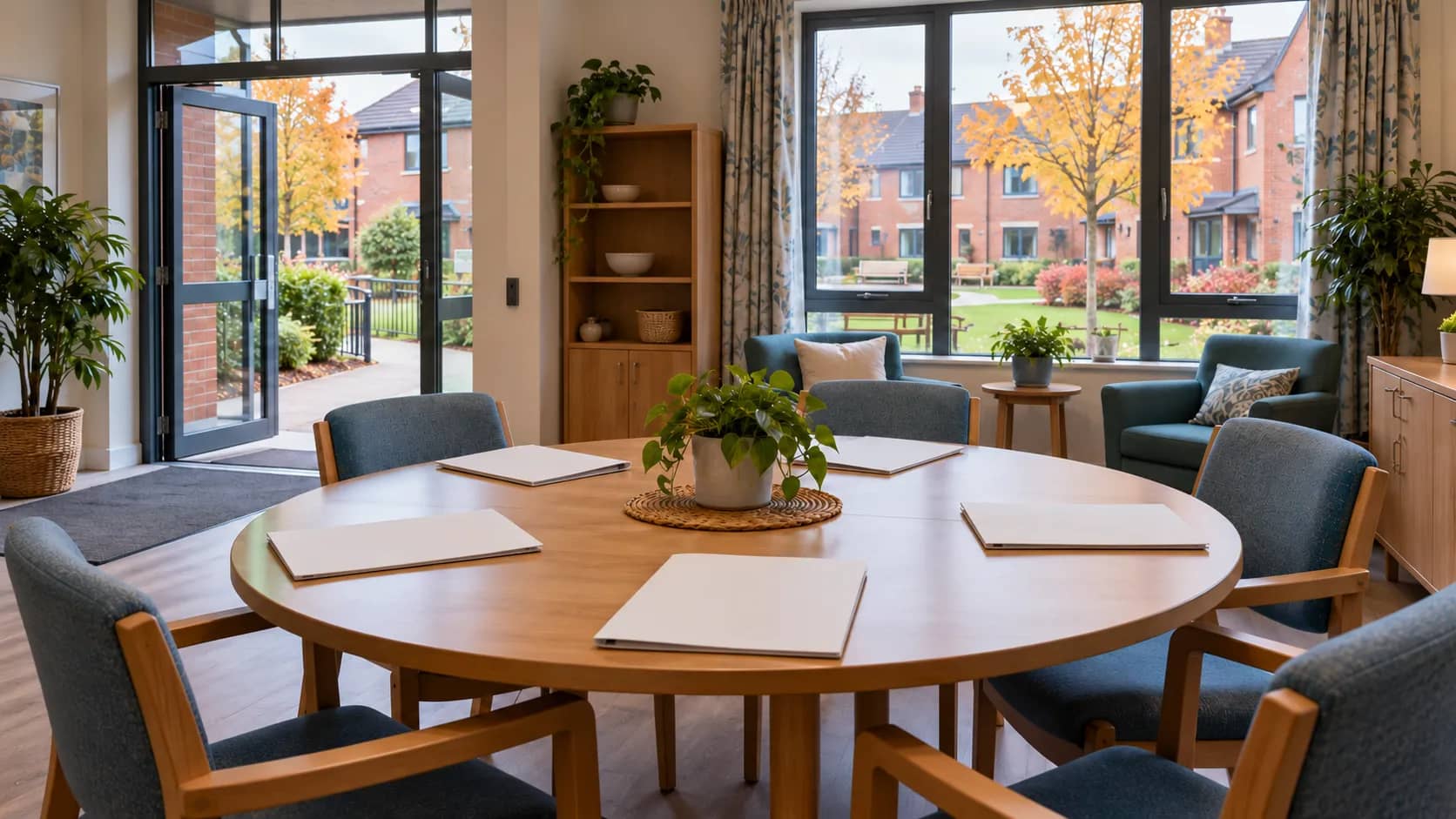
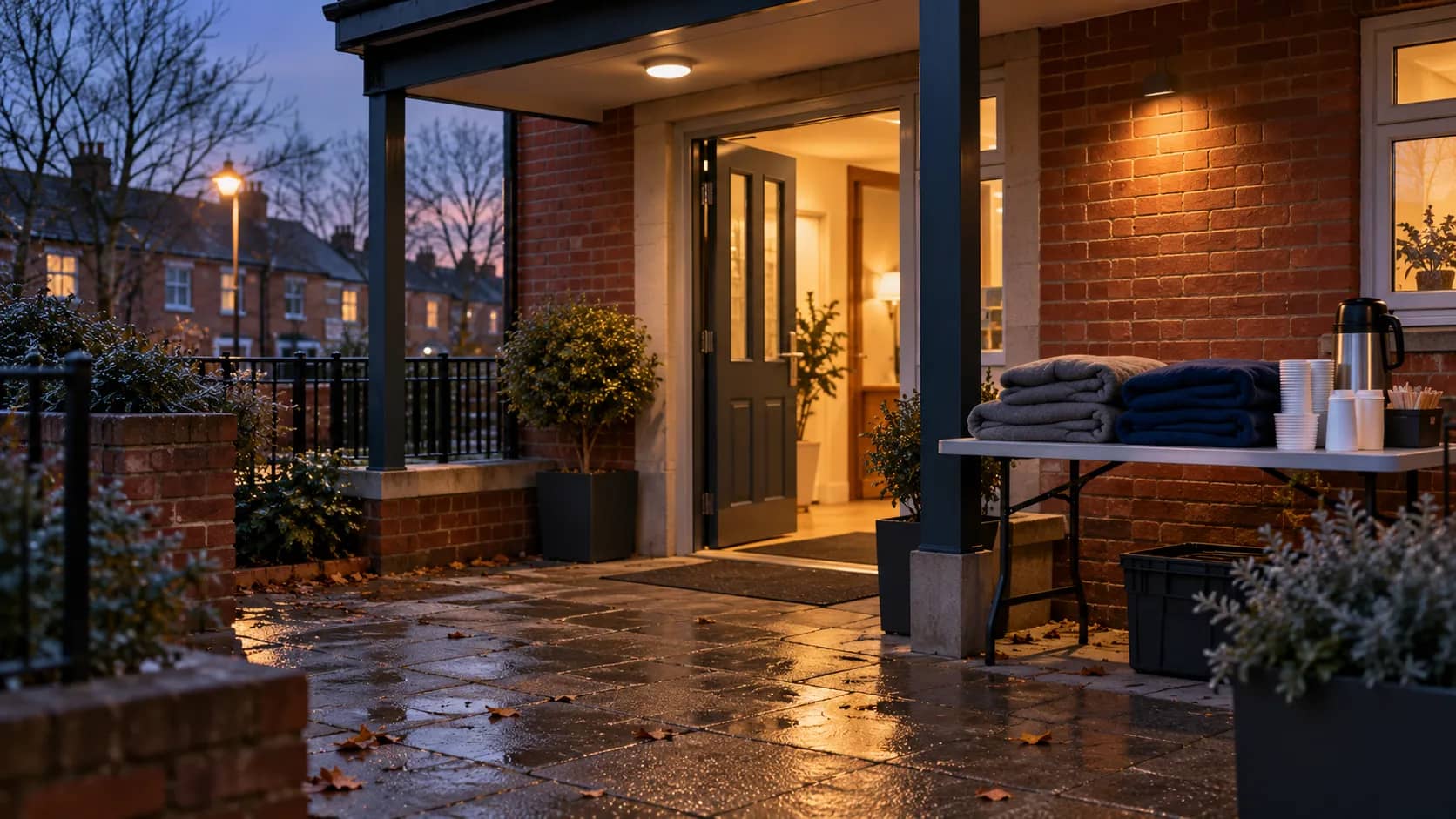
The UK government has announced another £432 million for its rough-sleeping programme, with details due at Wednesday's Budget. The October 25 announcement puts total investment behind the Prime Minister's commitment at £874 million and says support will continue beyond March 2027 through the rest of this Parliament.
The immediate ambition is to offer everyone sleeping rough a route off the streets, or wider support, before Christmas. That is an offer-of-support commitment, not evidence that everyone will have moved into a permanent home by then.
According to the Downing Street release, specialist outreach teams and new bedspaces are already operating in Coventry. Further provision is being introduced in places including Plymouth and Camden over the coming weeks. Those measures sit within the initial £442 million allocation; the newly announced money is intended to maintain support after the winter response.
Funding beyond the winter
The distinction between the two allocations matters. The first tranche backs the immediate Christmas commitment, while the additional £432 million extends the period of support. The release says the money will provide continuity for frontline services and help people move into settled accommodation. It does not give a council-by-council breakdown of the new funding.
The Budget remains the next formal checkpoint. Sunday's announcement says the additional funding will be set out there, rather than supplying a full implementation timetable for every participating area. The rough-sleeping package should be assessed against the eventual funding details, not treated as money already delivered to every service.
The announcement also sets out commitments associated with a Rough Sleeping Summit at Downing Street, bringing together businesses, charities, housing providers and local leaders. The release describes the summit as due to be hosted on October 25. Its listed pledges establish what organisations have committed to do, not proof that all the promised homes, jobs or grants have already been provided.
Homes, employment and practical help
The National Housing Federation is to work with housing associations and local authorities to identify at least 2,000 potential homes and bedspaces, including empty properties that could be brought back into use. The word “potential” is important: this is an identification commitment, not confirmation of 2,000 immediately available permanent homes or completed placements.
Social Bite is forming a government partnership to expand modular supported accommodation, pairing a settled home with intensive and community-based support. Separately, the Salvation Army plans work with Salvation Army Homes and public-sector partners on social housing, modular accommodation and move-on options. Its contribution includes provision for people with complex needs for whom mainstream accommodation may not be suitable.
Employment forms another part of the package. UnLtd and Key Fund are partnering with government to help social ventures create sustainable jobs for people experiencing homelessness or at risk of it. ReGenerate is launching work with Liverpool City Region, coordinated with the Liverpool Mayor's Homelessness Taskforce, on ways businesses can contribute, including routes into employment. No total number of resulting jobs is specified.
Digital access and wellbeing are also included. Virgin Media O2 will provide support involving devices, data and connectivity with Refuge for women and their children affected by domestic abuse and homelessness. L'Oréal Group is launching a Social Salon partnership with St Mungo's and Haircuts4Homeless.
The Morrisons Foundation has pledged a £500,000 Good Food Fund, with grants intended to tackle food insecurity, including support for charities assisting people sleeping rough or at risk of homelessness. The release separately lists a £10 million commitment from Julia Rausing Trust and £500,000 of Henry Smith Foundation match funding with Birmingham City Council to support Greater Change's work with rough sleepers in the city.
IKEA's contribution spans direct funding, employment programmes and community partnerships. Comic Relief has committed further resources for homelessness and housing insecurity, including public awareness work in 2027. Landsec is offering advertising screens across its retail portfolio for homelessness charities, while a faith-based collective is mobilising more than 100 church and charity leaders.
What delivery still needs to show
The government's account combines public funding, potential accommodation and pledges for practical support. Those categories are not interchangeable measures of delivery. The next evidence to watch is the Budget allocation and the implementation of the named programmes.
Dalimss News has separately covered England's supported-housing panel and its concerns about licensing costs and residents' voices. Readers can also find our separate report on Warm Home Discount eligibility and £150 bill credits. These are different policy processes. For this package, the stated test remains whether people receive an offer of a route off the streets before Christmas and whether support continues beyond winter, as the government has promised.