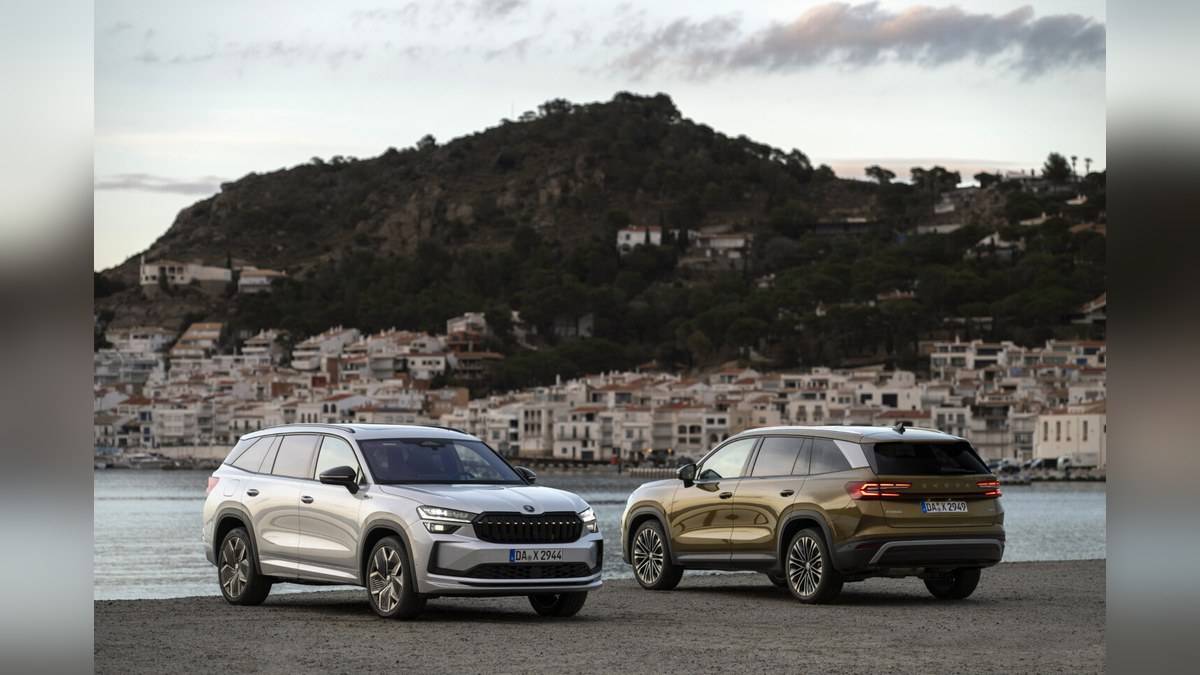
NEW DELHI: The Skoda Kodiaq sold in India uses a 2.0 TSI petrol engine producing 150 kW and 320 Nm, paired with a seven-speed DSG automatic and four-wheel drive. Lounge, Sportline and Selection L&K share that engine and gearbox description. The useful distinction between these versions starts with seating and equipment, rather than a different published engine output.
| India specification | Official description |
|---|---|
| Engine | 2.0 TSI turbocharged petrol |
| Maximum power | 150 kW |
| Maximum torque | 320 Nm |
| Transmission | Seven-speed DSG automatic |
| Drive | 4x4 |
| Named versions | Lounge, Sportline, Selection L&K |
| Seating | Lounge: five; Sportline and Selection L&K: seven |
This is an explanation of the Indian powertrain, rather than a fresh variant price list. Skoda's current model page advertises a starting price of Rs 36,99,000. Price as of 9 November 2026, 00:05 IST. That page does not provide a complete individual price beside every named version, so the starting amount should not be applied to the whole range.
The same engine can sit behind different priorities
Skoda's engine page identifies the petrol unit, its output, the DSG transmission and 4x4 capability together. Read those as a complete description when comparing a vehicle quotation. A trim name on its own does not tell a family whether the cabin has the seating arrangement it needs.
The model page resolves that question explicitly: Lounge has five seats, while Sportline and Selection L&K have seven. For someone comparing the entry version with a higher trim, this is a practical change in carrying capability. It deserves to be settled before comparing upholstery or entertainment equipment.
Our existing Kodiaq Lounge and Selection L&K comparison is a separate guide to the variants. Here, the focus is how to interpret the shared powertrain without assuming that shared hardware means identical cabins.
Keep the Indian car separate from the global range
Skoda's international second-generation Kodiaq technical material describes several powertrains, including mild-hybrid petrol, plug-in hybrid and diesel versions. That broader catalogue can create confusion when an Indian buyer searches for engine information and lands on a global brochure.
There is a particularly easy trap: the global plug-in hybrid and the global 2.0 TSI petrol are both listed at 150 kW. The former combines a petrol engine with an electric motor and uses front-wheel drive with a six-speed DSG. The latter has the petrol 4x4 and seven-speed DSG combination matching the Indian engine description.
An output number therefore cannot identify the powertrain by itself. Check fuel type, engine designation, driven wheels and gearbox together. A global battery specification or electric-range claim should not be carried into an India quotation simply because the power figure looks familiar.
The international table expresses the petrol engine output as 150 kW or 204 hp. Different power units in two brochures do not, by themselves, establish that the vehicles have different engine tuning.
How to assess the DSG and 4x4 combination
For a demonstration drive, ask for a route with the manoeuvres that matter at home: reversing into the parking space, moving through a slow junction and joining faster traffic. These reveal how comfortable the controls feel to the actual driver. A brief acceleration run alone leaves much of an automatic SUV's daily use unexplored.
The 4x4 description identifies the drivetrain. It does not give an owner permission to assume every rough track, obstruction or flooded stretch is passable. Keep the distinction between traction hardware and the physical route in mind when deciding which journeys to attempt.
Bring the people who will use the additional seats if a seven-seat version is being considered. Adjust the front seats for their regular occupants before checking the rear rows. A seating demonstration conducted with unrealistically forward front seats answers a different question from the one a family actually has.
Who each version is for
Lounge is the relevant starting point for households that want the Kodiaq powertrain and need five seats. Sportline and Selection L&K are the versions to examine when an additional row is part of the requirement. That seating split is more useful than describing every buyer as needing the most expensive trim.
The current India FAQ places ADAS and the Area View camera on Sportline and Selection L&K. It identifies front ventilation and massage with Selection L&K. Buyers can therefore make an equipment shortlist after settling the seating need, without expecting a higher trim to bring a different advertised engine output.
For related ownership reading, see our Kodiaq service-cover explainer and Side Assist guide. Keep servicing, driver assistance and powertrain suitability as separate questions when reviewing the proposed car.
Official sources: India engine and transmission page; current India model and seating information; global powertrain distinctions.