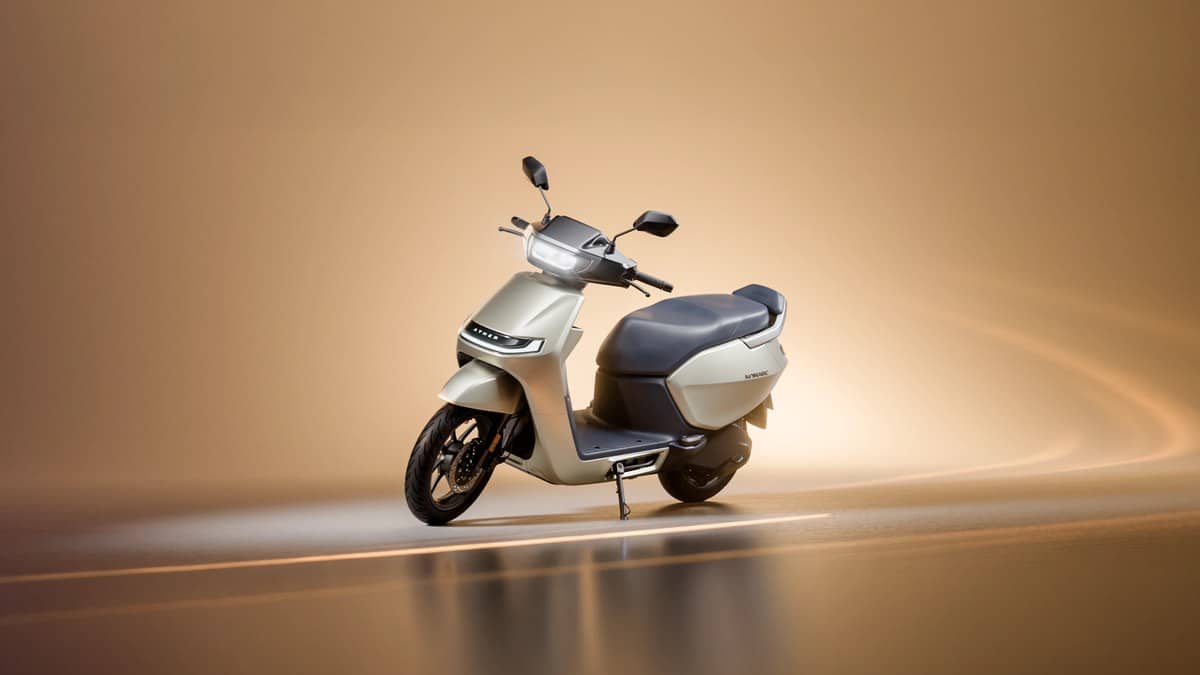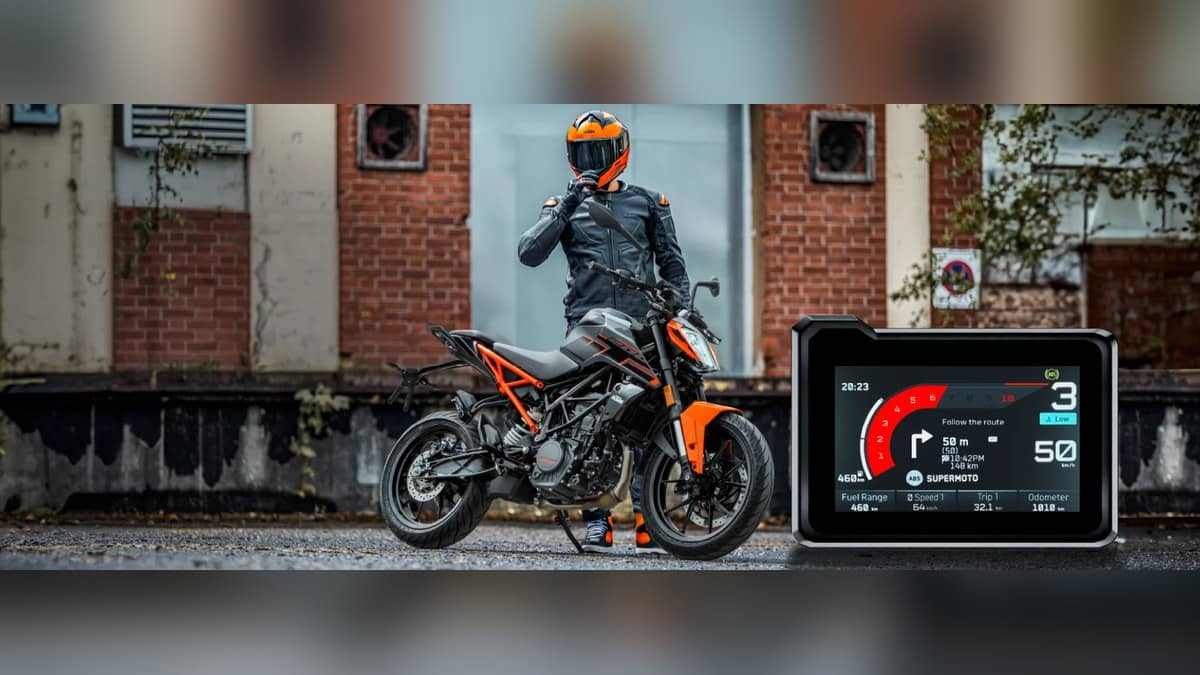

NEW DELHI: Simple Energy's Ultra has 4-level advanced regenerative braking, according to the FAQ on its official product page. The company links that feature to its touch-cluster scooters and distinguishes it from the default Level 1 setup on OneS. For Ultra readers, the useful distinction is between regeneration settings, ride modes and the separate physical braking hardware.
| Simple Ultra item | What the official page states |
|---|---|
| Advanced regeneration | 4 levels on touch-cluster models, including One Ultra |
| Ride modes | 6 |
| Battery arrangement | Dual pack, 6.5 kWh |
| Range headline | Up to 400 km |
| Physical brakes | Dual disc setup |
The page uses Simple Ultra as the product heading and One Ultra in the regeneration FAQ. That naming variation is present in the company's own material. This report follows the product heading while retaining the feature distinction explained by that FAQ.
The feature counts describe different things
Simple presents ride modes in the rider-assistance section and regeneration in a separate feature section. Those are separate lists, so the number of ride modes should not be substituted for the number of regeneration levels. A brochure comparison becomes misleading if it treats every selectable setting as the same kind of function.
The manufacturer does not publish a level-by-level braking-force table in the material opened for this report. There is no verified basis here for attaching a deceleration rate, recovered-energy percentage or added range figure to any individual regeneration level. The confirmed count is useful; invented performance values would not be.
For the model's purchase context, our Simple One and Ultra price comparison deals with the separate model listings. This article addresses a feature distinction that a price comparison alone cannot explain.
What to establish during the handover demonstration
A useful demonstration would identify the regeneration control on the delivered Ultra and show how the selected setting is displayed. That is a practical check to request, rather than a claim that a particular menu path has been verified. The public product page does not provide a complete operating sequence for changing every setting.
Keeping those limits visible is especially relevant when several family members share the scooter. A feature count tells them what the company advertises, but does not tell them which setting is active when they take over the vehicle. Familiarity with the actual controls is more useful than remembering the largest number on the specification list.
The page also lists hill hold and traction control. It does not say that selecting a regeneration level automatically selects a particular setting for either of those functions. They should remain distinct items in a handover explanation unless the owner's instructions explicitly connect them.
Regeneration is not a published range guarantee
Ultra's substantial dual-pack battery and headline range give its energy-management features a particular context. This is a scooter whose official presentation puts long-distance capability prominently beside rider controls. That makes it tempting to assign part of the range claim to advanced regeneration, but the opened page does not quantify that contribution.
The range headline is qualified as up to. It does not promise that changing a regeneration setting will deliver a specified additional distance on an Indian commute. A route-specific claim would require evidence that connects the route, riding conditions and selected settings with the measured result.
Our Simple One home-charging explainer concerns a different model and a different energy process. Neither its charging duration nor its conditions should be carried across to Ultra merely because the scooters share a manufacturer.
Keep the physical brakes in the explanation
Simple separately identifies the Ultra's dual-disc hardware. The official page also states that vehicle safety features assist the rider and do not replace safe riding practices. Reporting regeneration as a substitute for the braking system would go beyond that material and obscure an important distinction in the scooter's feature list.
A clear Ultra handover therefore has separate conversations about the physical brake controls, the regeneration selection and the ride-mode selection. The product page establishes that these features exist. It does not establish identical behaviour across every possible combination, and this report makes no such claim.
For background on the manufacturer's product naming, see our Simple Energy lineup explainer. The narrow verified point here is the Ultra's advanced regeneration count and its touch-cluster association, with no unsupported efficiency promise attached.
Official source: Simple Ultra product page and regeneration FAQ.