
RGNUL Faculty Warn of Pen-Down Strike Over Governance Concerns
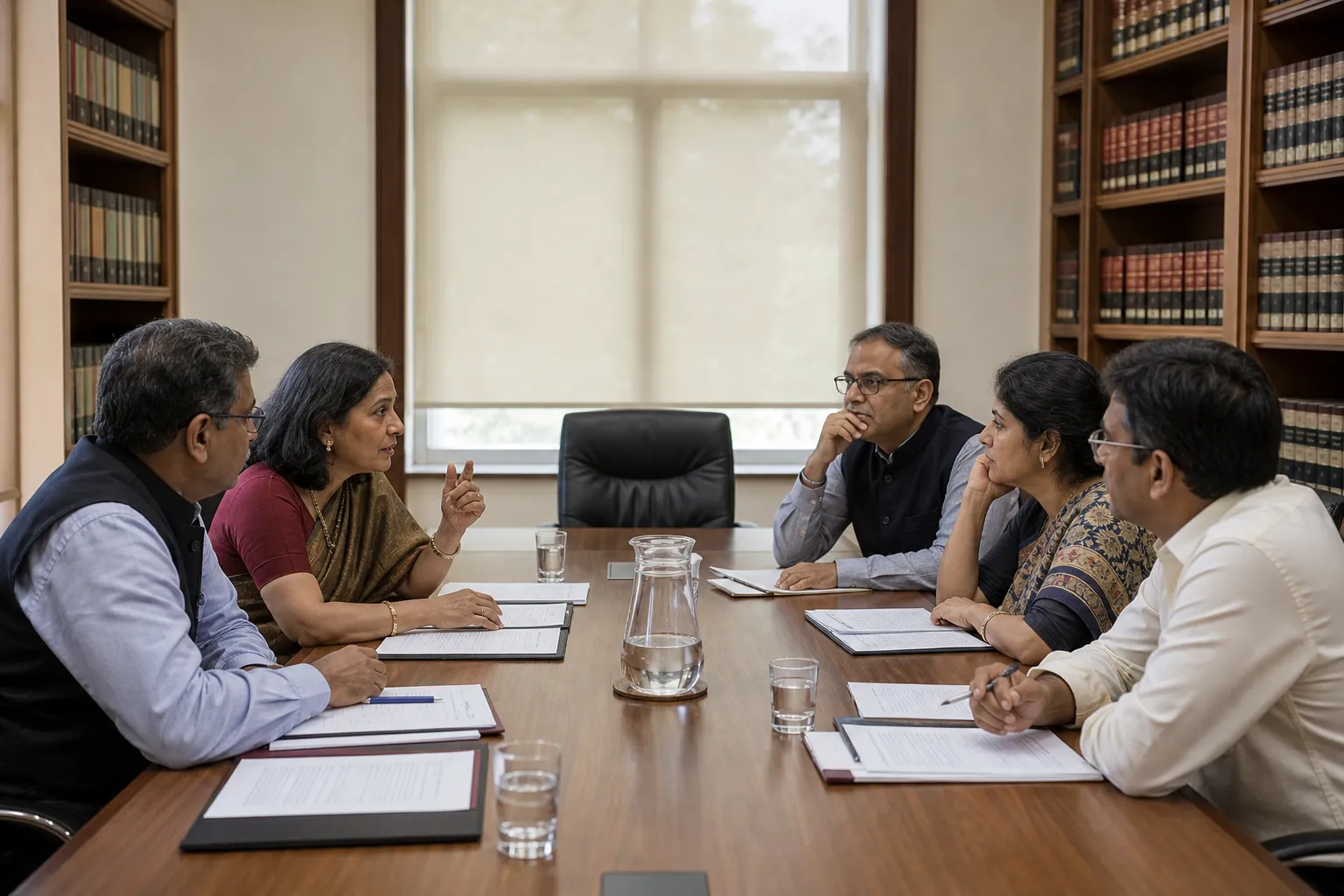
Faculty members at Rajiv Gandhi National University of Law in Patiala have warned that they may begin a pen-down strike over alleged irregularities in university governance, promotions and academic decision-making. The teachers have sought the intervention of the Chancellor, placing a dispute that had been developing inside the institution into the public domain.
The allegations have been reported as covering promotion processes, curriculum decisions, financial matters and a wider lack of transparency. These are claims by faculty members and should be treated as such until the university gives a detailed response or an independent process establishes the facts. That distinction is important: fair reporting requires neither dismissing staff concerns nor presenting contested assertions as proven misconduct.
A pen-down strike would mean teachers stop routine academic and administrative work. At a law university, the effects can move quickly from internal meetings to classrooms, assessment, dissertation supervision and committee decisions. Students preparing for internships or graduation may worry about transcripts and recommendations, while faculty may see collective action as the only remaining way to secure a response.
The university should therefore address the substance before the dispute becomes a test of endurance. A useful first step would be a written response to each category of concern, identifying which decisions were made by the Vice-Chancellor, statutory bodies or external authorities. University governance is complex, and responsibility often sits across an executive council, academic council, finance committee and the head of the institution. Precision can prevent every disagreement from collapsing into a personalised conflict.
Promotion disputes are especially sensitive because they affect careers and academic independence. The institution should publish the applicable rules, the composition of selection bodies and the route for appeal, while protecting confidential personal records. If a rule changed during a process, the university needs to explain when and under what authority. If the rules were followed, a documented chronology can demonstrate that.
Curriculum decisions deserve similar clarity. Faculty participation is not a ceremonial extra in a university; subject experts need a meaningful role in deciding what is taught and how programmes are revised. At the same time, a curriculum must pass through the statutory structure laid down for the institution. Minutes, agendas and recorded decisions help show whether consultation was real.
Students should not be drawn into choosing sides without information. The administration and faculty association should issue practical notices about classes, examinations and deadlines if industrial action begins. Students also need a neutral contact for urgent academic documents. A governance dispute should not be allowed to punish a graduating batch that has no power to settle it.
External intervention may be appropriate if internal mechanisms have stalled. The Chancellor could seek records, meet both sides or appoint a small fact-finding group with a defined time frame. Any review should give the university leadership and the faculty a chance to respond and should publish at least the findings that affect institutional policy.
RGNUL teaches future lawyers the value of procedure, evidence and reasoned decisions. Its response to this dispute will be judged by the same standards. The goal should not be a hurried truce that leaves every allegation unresolved, but a credible process that restores normal academic work and makes the university's decision-making easier to understand.
Sources and reporting
Based on faculty representations and contemporaneous reporting published on 12 August 2026; allegations are attributed and not presented as established findings.
Related Stories

Dextr AI raises $6.7 million seed led by Elevation Capital

Beats 360 headphones land in India at Rs 42,900

vivo V80 confirmed for India launch on October 6

OPPO K14 Plus set for India launch on September 29 via Flipkart

SEBI clears Rs 25 lakh PRIM route for mutual-fund portfolios