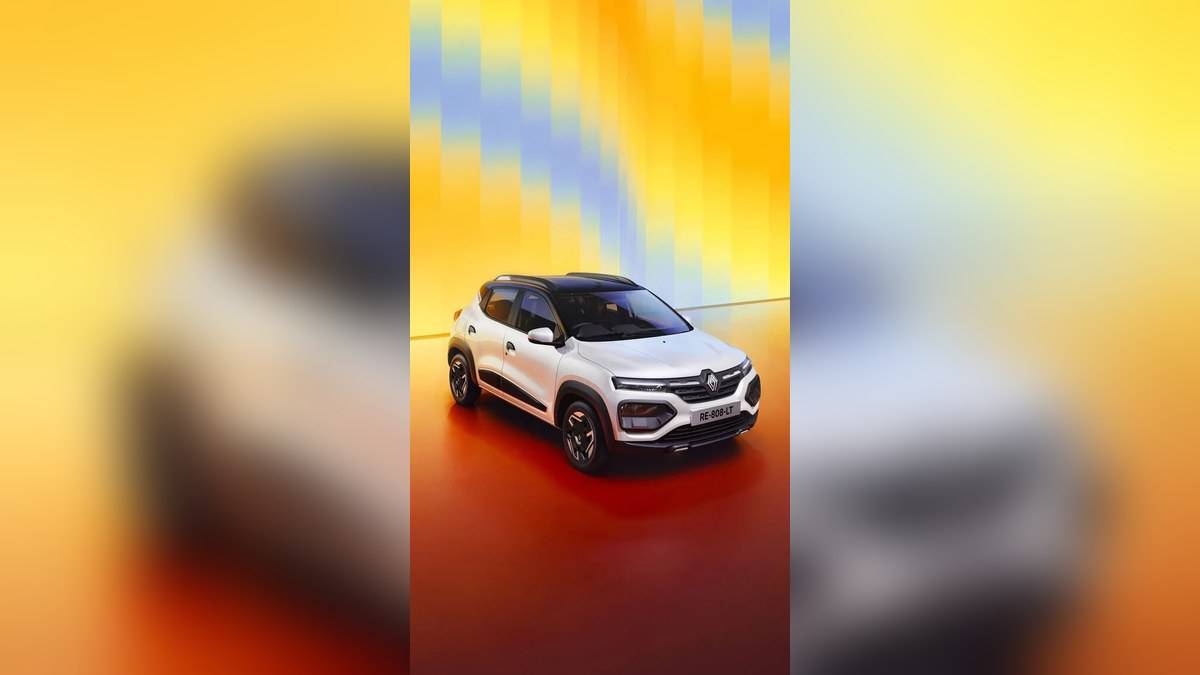
NEW DELHI: Renault's Kwid manual for cars produced from May 2026 specifies a three-second wait after switching on the ignition before starting the AMT version. The rotary selector must be in neutral and the brake pressed firmly. For owners learning the easy-R automatic, matching the handbook to the car's production period is the first step.
| Item | Official detail |
|---|---|
| Handbook selection | Kwid, cars produced from May 2026 |
| Initial wait | 3 seconds after ignition on |
| Starting controls | N selected, brake pressed, no accelerator |
| Engine | 1.0L Smart Efficiency, 69 PS, 92.5 Nm |
| Versions in current brochure | Evolution and Climber, each with MT or easy-R AMT |
Download by production period
Renault's owner manual index divides Kwid documents by year and, for recent cars, production period. The 2026 listing separates vehicles produced through April from those produced from May. Earlier years have their own links. A recent purchase date does not, by itself, identify the correct handbook for a car that may have been built earlier.
Check the vehicle's production information, choose the Kwid section and save the matching document. The same index provides multimedia documentation separately from the vehicle manual, plus warranty terms and the maintenance schedule. Keep those documents together but give each a clear filename. It is easier to find the right instruction later if the files identify both model and production period.
Learn the selector while stationary
The handbook describes a rotary selector with R, N and D positions and a fixed red pointer. The instrument display confirms the selected position. After starting, Renault also specifies a three-second wait before selecting drive or reverse. Practise identifying the dial position and its matching display with the car securely stationary before a supervised familiarisation drive.
The practical point is to learn the Kwid's own controls instead of relying on habits from another automatic. At handover, ask for a demonstration of starting, selecting reverse, moving away and parking. Repeating that sequence yourself, with the demonstrator present, is more useful than simply watching someone else turn the dial.
The engine and the trim are separate choices
Renault's dedicated engine page identifies the Kwid's 1.0L unit at 69 PS and 92.5 Nm. Its brochure offers both Evolution and Climber with manual or easy-R AMT transmissions. The gearbox choice therefore needs to be recorded alongside the trim name when checking a quotation, insurance description or delivery paperwork.
The brochure lists traffic assistance mode for AMT cars and limits hill start assist to the easy-R version. Climber adds convenience items including electrically adjustable mirrors, steering mounted audio controls and a reversing camera. These distinctions matter when learning the car: the transmission determines its driving controls, while the equipment list determines which parking and convenience aids are actually present.
Our Kwid variant price guide provides a separate reference for the range. Readers considering a larger Renault can also consult the Kiger variant guide. Neither replaces the handbook supplied for an individual vehicle.
Use the brakes on a slope
The manual warns against holding the car on an uphill gradient with the accelerator, because this can strain the system and overheat the clutch. Use the brakes as instructed. It also explains that neutral does not prevent the vehicle rolling. Treat a sloping driveway or parking ramp as a situation requiring deliberate brake control.
Ask the demonstrator to explain how the hill assistance and AMT behaviour work together on your car. A feature name in a brochure is not enough preparation for an unfamiliar ramp. The useful outcome of that demonstration is confidence about where your foot should be, what the instrument panel should show and how to stop the manoeuvre safely.
Check everyday fit alongside driving controls
The Kwid model page lists 279 litres of boot space and 184 mm ground clearance. Its compact packaging and the AMT option make a showroom familiarisation session particularly relevant for urban use: check your seating position, sightlines and luggage before concentrating on touchscreen features. Bring the bags you normally carry if their shape is awkward.
Renault lists a 20.32 cm touchscreen with smartphone mirroring, while its technology page explains that the digital cluster displays driving information and a low tyre pressure alert. Learn the driving display before setting up entertainment. For another practical Renault reference, our Triber seating and luggage guide explains a different cabin layout.
For a household sharing the Kwid, include every regular driver in the handover explanation. Write down any point that remains unclear and resolve it with the demonstrator before leaving, particularly the distinction between selecting neutral and securing the parked car.
Official sources: manual download index, Kwid vehicle handbook, engine details and model page and brochure.