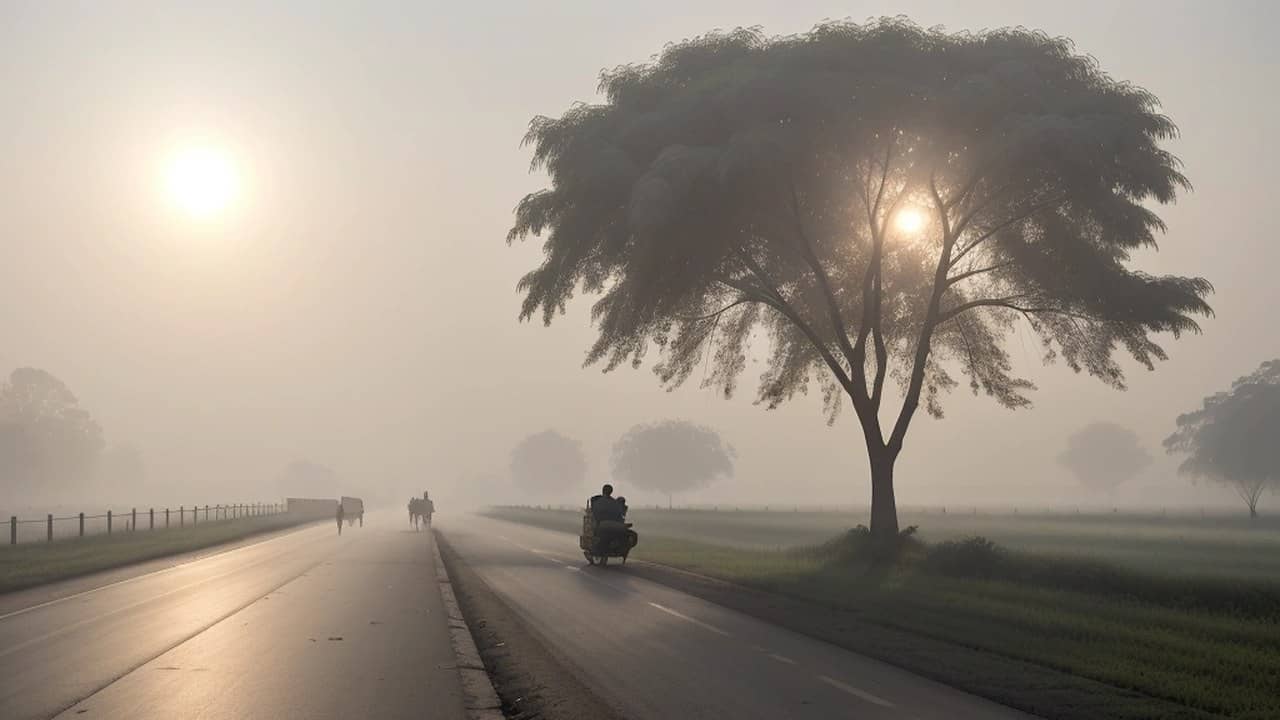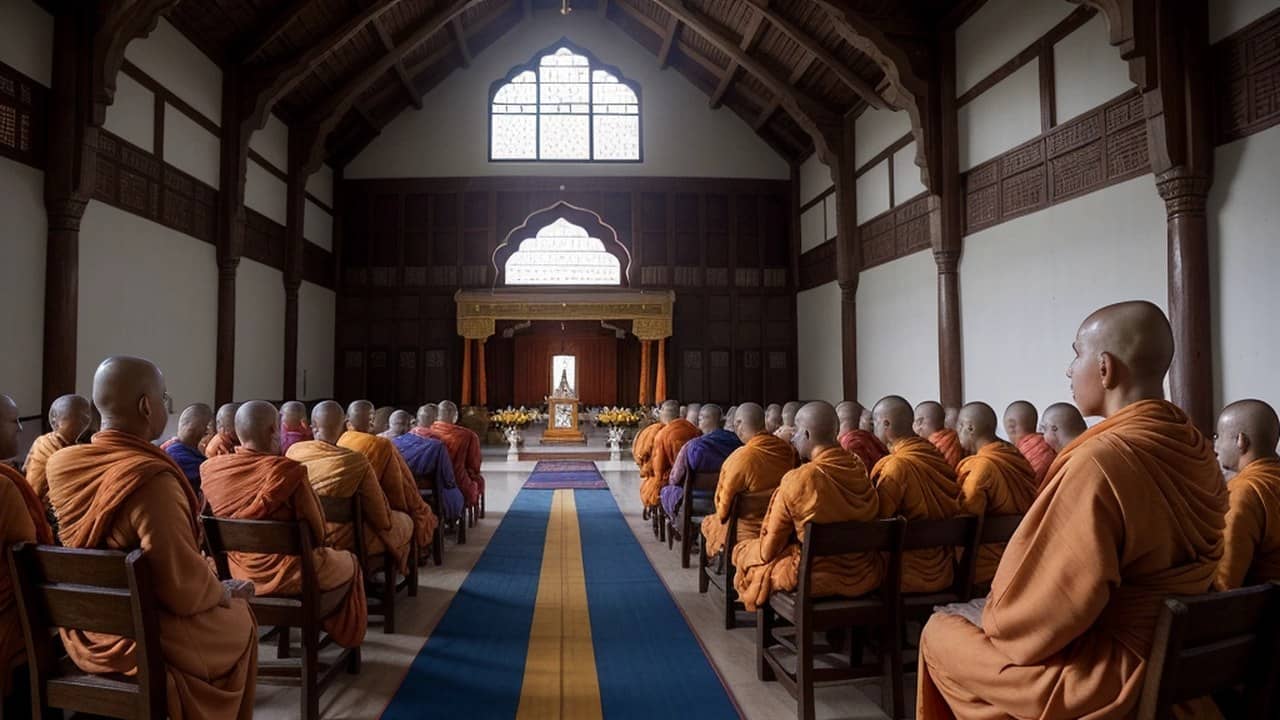
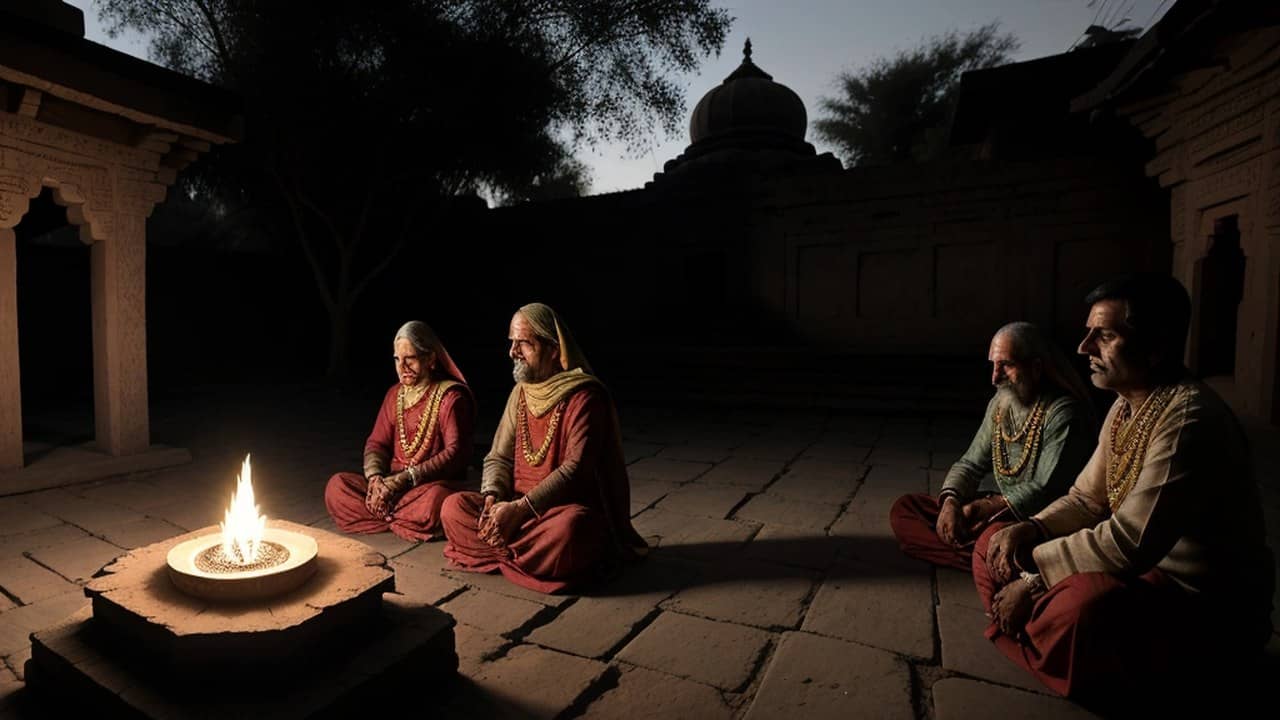
A Shiv Shakti yajna and evening Mahabhagwat katha have begun at Baba Batuk Nath Bhairav Temple in Nahiyan village under Pindara tehsil, drawing devotees for daily bhajans and discourse in the temple courtyard, organisers and local accounts of the opening days say.
Evening katha sessions are the gathering point. Devotees listen to the Bhagwat narrative, join bhajans, and treat the courtyard as a temporary ashram floor after farm and shop hours. Organisers describe the aim as strengthening religious and spiritual atmosphere in the surrounding villages rather than staging a ticketed mela.
Pindara sits on Varanasi district's rural map, away from the ghat tourist circuit, yet Bhairav worship ties it culturally to the wider Kashi sacred geography that city readers know from Lat Bhairav and other forms. A village temple running both yajna and katha through successive evenings offers a quieter autumn religious calendar than the city's Ramlila drums.
Visitors from the city should go as devotees, not as spectacle hunters. Dress modestly, remove footwear where marked, and keep phones silent during katha. Photography of rituals often needs priestly permission; when in doubt, leave the camera down. Donations should pass through the temple's announced channels.
Women and elders form a large share of evening audiences at such kathas. Families sometimes travel in shared jeeps from neighbouring gram sabhas after dusk. Lighting and parking are typically informal: tractor edges, temple compound corners, and the lane widening near the entrance. Carry water and plan a careful return on rural roads.
The autumn weeks already carry Ramlila openings across Varanasi, including Ramnagar's ongoing Ayodhya kanda nights and Ramnagar's continuing exile chapters. Pindara's yajna-katha track runs beside that drama tradition without competing for the same stagecraft. Neighbourhood stages such as Shivpur's recent Ram Barat night show how dense the city calendar already is. One is narrative theatre; the other is seated listening and fire ritual.
Temple committees in the district often combine yajna with katha because the two rhythms share an audience: early ritual heat, later seated storytelling. Bhajans bridge the gap. When organisers say the atmosphere has turned spiritual, they usually mean full courtyards and sustained chorus rather than a single VIP inaugural.
There is no ticket price published for the Nahiyan events in the accounts available to the desk. That usually means free entry with voluntary offerings. Still, confirm locally before hiring long-distance transport for a large family group.
What happens next depends on how many evenings the organisers sustain. Some yajna-katha cycles run a fixed number of days; others extend while donations and priestly schedules allow. Devotees should ask the temple office for the closing date rather than assume an open-ended month.
For Varanasi's rural belt, such programmes are social infrastructure as much as theology. They give evenings a shared destination when fields ease and before winter weddings accelerate. Baba Batuk Nath's courtyard is playing that role this week for Nahiyan and its neighbouring villages.
Families tracking the developing facts should keep screenshots of official notices and avoid sharing unverified forwards that invent quotes or timings.
Commuters and residents affected by the underlying issue can use municipal or police helplines already published by the district, and should record complaint numbers for follow-up.
Context from earlier Dalimss Varanasi reporting shows how civic, cultural and enforcement stories often overlap in the same wards across a single festival month.
Any medical or travel decision tied to this report should rest on a clinician's advice or an official circular, not on a news summary alone.
The Varanasi desk will update only when a named office confirms a fresh figure, arrest, schedule change or completed civic work on the ground.
Families tracking the developing facts should keep screenshots of official notices and avoid sharing unverified forwards that invent quotes or timings.
Commuters and residents affected by the underlying issue can use municipal or police helplines already published by the district, and should record complaint numbers for follow-up.
Context from earlier Dalimss Varanasi reporting shows how civic, cultural and enforcement stories often overlap in the same wards across a single festival month.
Any medical or travel decision tied to this report should rest on a clinician's advice or an official circular, not on a news summary alone.