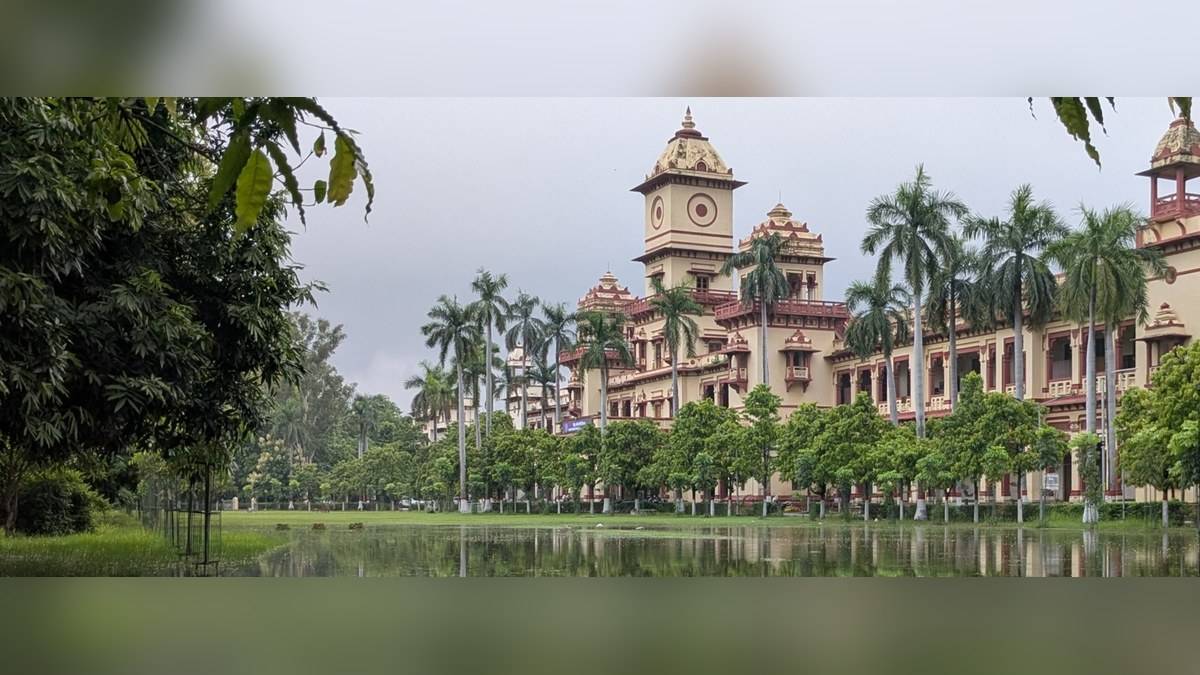
VARANASI: IIT (BHU) opened a two day vigilance workshop on Monday, November 16, 2026, at Annie Besant Lecture Theatre, ABLT 4, on its campus in the Lanka area. The programme brought institutional officers and employees together to examine preventive vigilance, transparency and administrative accountability under the theme Probity for Prosperity.
For campus employees and people dealing with the institute's offices, the practical issue is knowing which official channel handles a concern. IIT (BHU)'s published administration directory identifies a vigilance and legal office, while its separate Internal Complaints Committee page lists contacts for workplace harassment matters. Readers should use the channel relevant to their concern and keep a clear record of the issue they are raising.
The workshop announcement does not create a new public complaint deadline or replace those standing institutional arrangements. Someone seeking help should check the official administration directory for current responsibilities and contact details before sending personal documents. The workshop's venue is an event location, rather than an announced permanent complaint counter.
What the campus workshop covered
Central Vigilance Commission adviser Rajeev Verma addressed the programme. The accounts checked for this report describe sessions on vigilance provisions, the Prevention of Corruption Act, 1988, and approaches to preventing misconduct in institutional administration. The stated focus was on how public organisations apply rules and maintain accountability in their everyday work.
The opening programme included registrar Sumit Kumar Biswas, Professor Rajesh Kumar, Professor R. K. Mishra and Professor Ranjit Mohanty. The institute's official directory separately identifies Biswas as registrar. Reports of the event place the programme within the institute's vigilance awareness campaign for 2026 and identify Administration III as the organising section.
Participants included officers and employees from IIT (BHU) and other organisations. The fuller event account names Banaras Hindu University, Banaras Locomotive Works, the India Meteorological Department, Punjab National Bank, Life Insurance Corporation of India, Bharat Heavy Electricals Limited and the Central Bureau of Communication. Their inclusion describes participation in the training, rather than the outcome of an investigation involving those bodies.
The programme also recognised winners of essay writing, quiz and poetry competitions held during the awareness campaign. Those activities gave participants different ways to address integrity and ethical conduct. No attendance total, spending figure or new disciplinary order is being inferred from the event reports.
A report of the workshop's conclusion also describes instruction on workplace safety, the prevention of sexual harassment, disciplinary action and departmental inquiries. These subjects make the institute's published administrative and complaints contacts useful practical information for staff and scholars looking for the correct office.
The first day account also describes discussion of the Central Vigilance Commission's master circular and the meaning of a vigilance angle. These subjects formed part of the administrative framework examined by the participants.
What residents and campus staff should do
The administration directory assigns institute vigilance matters to the Vigilance Cell and legal matters to the Legal Cell within the Confidential Unit. It lists office.vcs@iitbhu.ac.in and office.legal@iitbhu.ac.in, together with the office telephone number 0542 7165014. These are published institutional contacts, not a special helpline created by the November workshop.
The same directory describes work relating to fact finding, inquiry and disciplinary committees within that unit's responsibilities. It also assigns general administration, the legal cell and confidential unit among the responsibilities listed for Dr Amit Kumar Singh. Checking the named office and its role can help a person address correspondence accurately instead of relying only on an individual's name.
For workplace harassment concerns, the Internal Complaints Committee page lists Professor Vijay Laxmi Yadav as chairperson and publishes chair.icc@itbhu.ac.in. Its committee table identifies a legal expert and a member secretary alongside faculty members from several departments. Readers should consult that dedicated page when seeking the committee's current contact information.
When preparing correspondence, describe the relevant event, date, location and supporting records as precisely as possible. Keep the original material and an acknowledgement of any submission. This is practical reporting advice; the workshop reports do not announce a compulsory new form, a filing fee or a guaranteed response period.
Related campus decisions
The institute's other administrative processes have their own instructions. Earlier coverage explains the postgraduate grievance panel, the allocation of scholarship and refund approvals and the current engineer recruitment representations. A person dealing with one of those matters should follow that process's notice and dates rather than treating attendance at a vigilance awareness programme as an application or complaint submission.