Ramnagar Day Eight Opens Ayodhya Kanda With Kopbhavan and Exile
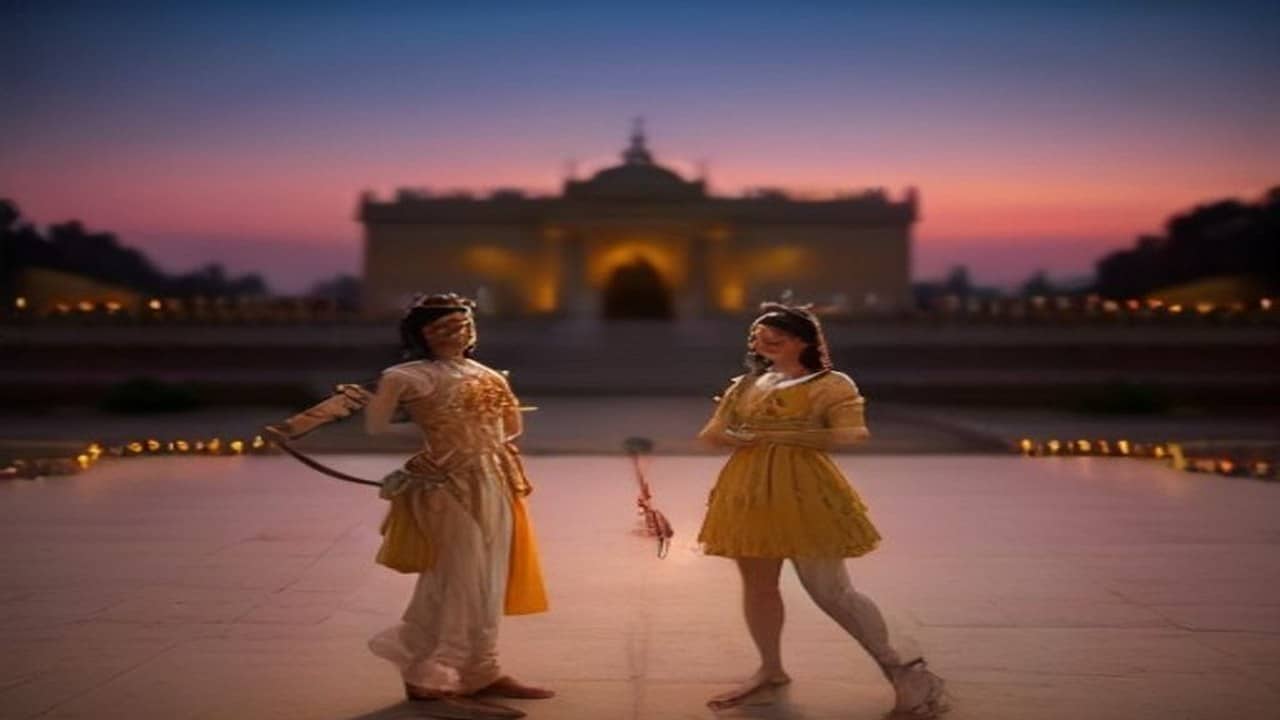
Ramnagar's famed open-air Ramlila turned from wedding joy to exile on Friday as Day Eight opened the Ayodhya kanda with the rajyabhishek preparations and the Kopbhavan episode that sends Rama into fourteen years of forest exile.
Only a night earlier the town had watched brides enter Ayodhya and Balkand close. On Friday the story shifted. Maharaja Dasharath, seeing white hair in a mirror and taking counsel from Guru Vashishtha, resolves to name Rama yuvaraj. Preparations for the rajtilak fill Ayodhya. In the traditional telling staged here, Indra grows uneasy that a throne might cut short the avatar's purpose and seeks Saraswati's intervention. Saraswati turns the mind of Manthara, Kaikeyi's maid. Manthara reminds Kaikeyi of two royal boons and pushes her to demand the crown for Bharat and a fourteen-year vanvas for Rama.
Kaikeyi withdraws to the Kopbhavan. Dasharath arrives to soothe her and hears the hard bargain. The king collapses in grief. Sumant, called by servants, finds the same scene. When Rama is summoned and learns of the vows, he accepts exile to protect Raghu lineage honour and his father's word. Dasharath can only hold him with tear-filled eyes. At Kaushalya's side Rama takes leave; Sita touches her mother-in-law's feet and receives the blessing of unbroken saubhagya. The crowd that follows Ramnagar's moving stages without microphones or floodlights stayed through the aarti before the Kopbhavan leela was rested for the night.
Ramnagar's method still matters to how the night lands. Dialogues are spoken in the actors' own raised voices. Spectators walk with the action from one marked ground to another across the town that the Kashi Naresh's household has hosted for about two centuries. That physical movement, rather than a fixed auditorium seat, is why nights such as Kopbhavan feel abrupt: the same lanes that held wedding colour the evening before now hold a court in crisis.
Organisers and regulars treat Day Eight as the emotional hinge of the month-long cycle. The exile road that follows will take Rama, Sita and Lakshman through later forests and meetings that draw their own crowds. Friday's verified public facts are simpler: the Day Eight bill was rajyabhishek sambharambh and Kopbhavan; the plot beat that closed the night was Rama's acceptance of vanvas; devotees filled the grounds through aarti.
Crossing from Banaras to Ramnagar for these nights remains a short boat or road trip, yet the performance culture on the far bank is its own world. First-time visitors are often told to carry a torch, wear walking shoes and follow the crowd rather than hunt for a single stage. Those habits matter more once the Ayodhya kanda begins, because the emotional scenes stretch late and the walking circuit does not shrink.
Visitors planning later evenings should expect the Ayodhya kanda to deepen through the coming nights, with the same bare-stage discipline. For Banaras residents who cross the Ganga for only a few key leelas, Friday was the night the story left the wedding pavilion and entered the politics of the palace.
About the author
Harsh Mehra
Harsh Mehra reports for Dalimss News. 1202 stories on Dalimss News, most often in India.
Sources and reporting
Based on the Ramnagar Ramlila Day Eight staging of the rajyabhishek sambharambh and Kopbhavan episodes on Friday, 2 October 2026, and the traditional open-air performance sequence of the Ayodhya kanda.
Related Stories
11th NDRF Marks Gandhi Jayanti With Clean-Up and Tree Drive
BHU Scientist Helps Shape New Ganga Microplastic Monitoring Protocol
Dalmandi Widening Moves to Sewer Lines Ahead of Storm-Water Drain
EOW Varanasi Arrests Agent in Rs 1.5 Crore Jaunpur Loan Fraud Case
Two Unidentified Women Die After Separate Train Hits Near Sarnath