NOIDA: Omnipresent Robot Technologies Pvt Ltd presents itself as a deep-tech firm spanning aerial autonomy, space robotics and AI decision tools, according to its about page.
Co-founders named are Aakash Sinha (CEO) and Jyoti Sinha (CTO). The company says it built perception and navigation modules for ISRO's Chandrayaan-2 and Chandrayaan-3 Pragyan rovers, and that its drone fleet mapped more than 10,000 villages under the PM Swamitva scheme with sub-5 cm precision claims.
Product names on the public site
OmniSAR3D is described as an interferometric SAR satellite concept for high-accuracy digital elevation models. OmniEye is framed as onboard satellite edge computing that fuses optical, multispectral, SAR and hyperspectral inputs. OmniAgent is pitched as a multimodal decision-support stack, and OmniBirdX as a bird-hazard system for airports. OmniNavX covers GPS-denied drone navigation on a camera-GPU module.
Several of those lines carry iDEX ADITI challenge badges on the homepage. Awards and challenge wins are company-posted milestones; they are not the same as a constellation already on orbit.
Why the firm shows up in Indian deeptech roundups
Omnipresent sits at the overlap of lunar heritage hardware and domestic drone mapping. That mix is rarer than pure SaaS AI pitches, which is why the company keeps appearing beside space and defence startups even without a fresh funding headline every week.
Readers can pair this explainer with our coverage of Pixxel and GalaxEye for other Indian Earth-observation angles. Public contact on the Omnipresent site includes admin@omnipresenttech.com.
Swamitva drone mapping at centimetre-class accuracy is a civil application with direct district administration buyers. If Omnipresent's 10,000-village claim holds in government records, it is a scale credential many pure defence startups lack.
Lunar heritage is harder for outsiders to audit from a homepage alone, but it is central to Omnipresent's brand. Perception and navigation stacks that flew on Pragyan are the kind of reference Indian space buyers understand immediately.
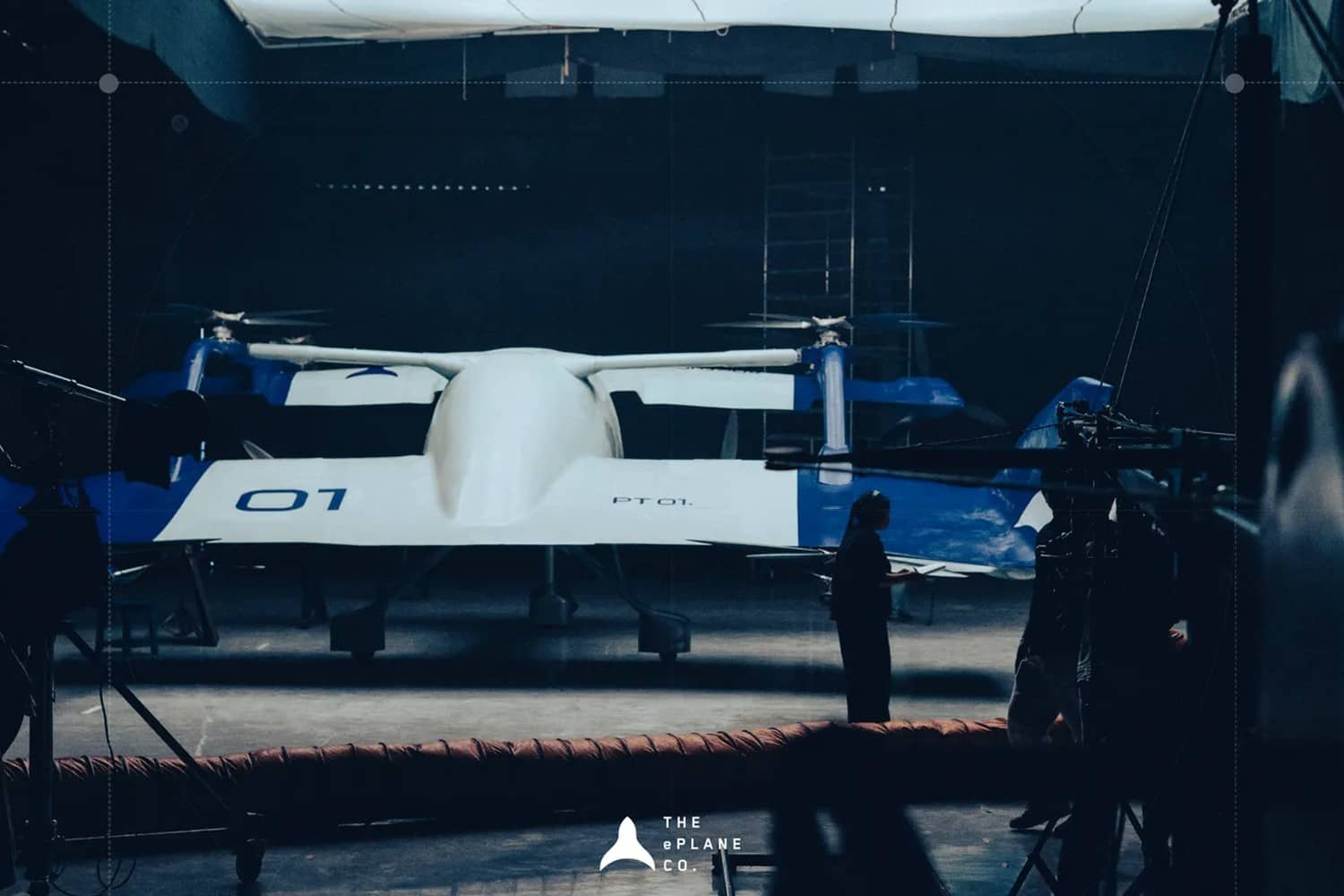
OmniNavX's GPS-denied pitch matches a live battlefield and urban-canyon problem set where jamming is assumed. Camera-inertial navigation is a crowded research field; Omnipresent's edge, if any, has to show up in Size, Weight and Power figures on a datasheet.
OmniBirdX targets airport operators dealing with bird-strike risk using fused radar, vision and acoustics. That is a civilian safety market with clearer procurement paths than some classified autonomy tools.
admin@omnipresenttech.com is a blunt public address. Larger organisations often route press through founders' assistants; the outreach queue still uses the published mailbox because it is what the site exposes.
Military Survey and iDEX badges on Omnipresent pages signal that at least some product lines were shaped against published defence problem statements. Challenge awards can open trials; they do not guarantee multi-year production contracts.
Founders' resumes (Carnegie Mellon, UC Berkeley, prior Lockheed and iRobot work as told by the company) are part of why Omnipresent attracts attention in space-robotics profiles. Credentials still need delivery milestones attached.
Advisory names such as Dr Raj Reddy appear on the about page. Advisory boards are common in deeptech; readers should not confuse an advisor listing with an operating role.
For district administrators, the practical question is whether Omni mapping deliverables plug into existing cadastral workflows. Sub-5 cm claims sound strong; survey-grade acceptance depends on ground control and post-processing standards the buyer defines.
Omnipresent's mix of lunar, drone and airport products can look scattered until you see the shared autonomy thread. That thread is what justifies a single explainer rather than three disconnected blurbs.
Chandrayaan module claims should be read as the company's own description of past ISRO work. For procurement, agencies will still ask for interface control documents and flight heritage paperwork beyond a marketing homepage.
Noida and NCR defence-innovation events repeatedly surface Omnipresent because few firms claim both lunar rover software heritage and village-scale mapping. That combination is the remarkable fact this explainer is meant to record while funding wires stay quiet.
As with every deeptech profile on this desk, treat product names on a marketing site as invitations to request datasheets, not as certified performance guarantees for every theatre of use.
Team photos and event stills on the site show iDEX and Indian Space Association stages. Those images document presence at national forums; they do not replace technical datasheets for OmniNavX or OmniSAR3D when a buyer needs numbers.