Neuromodulation Highlighted as Promising Mental-Health Treatment Area
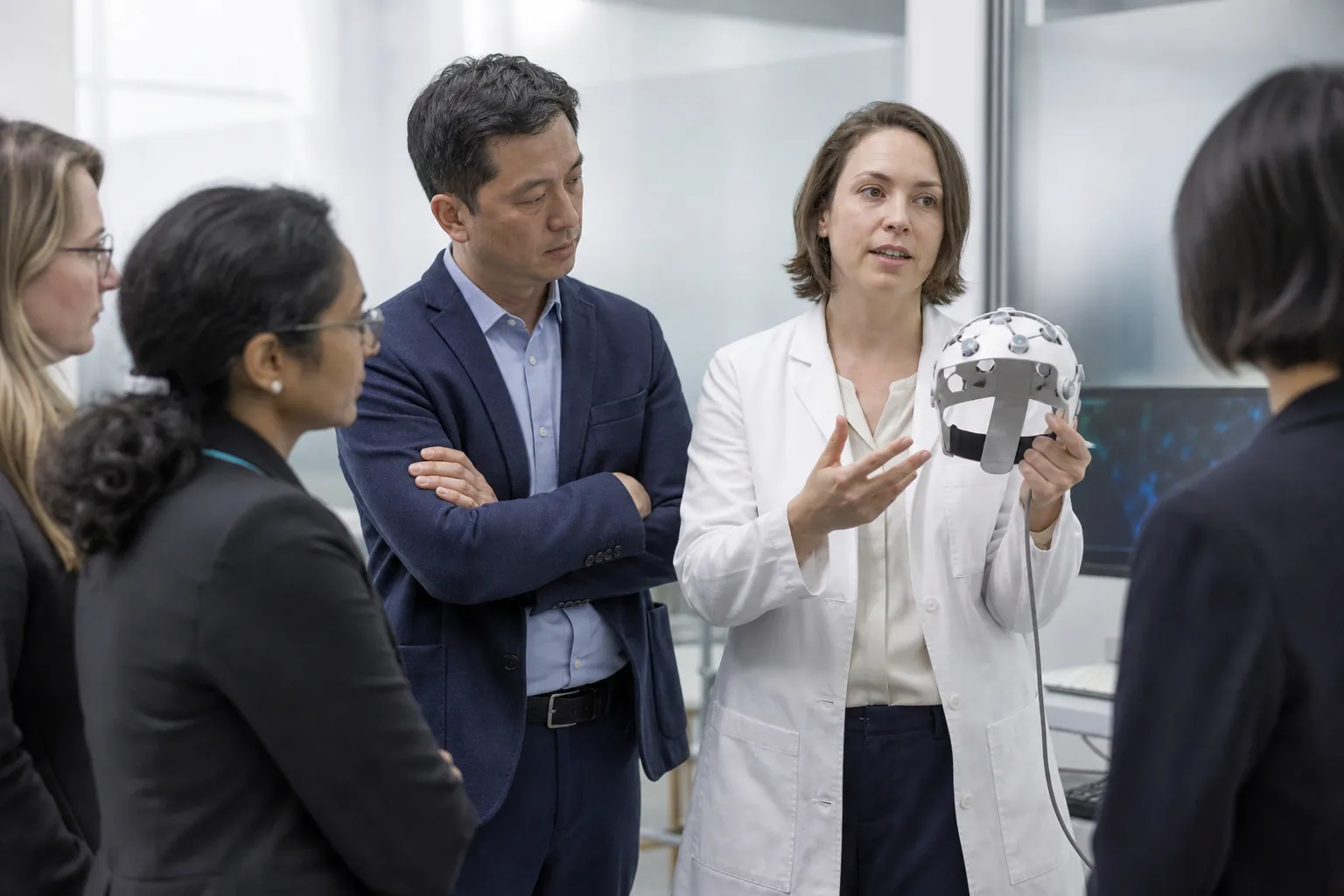
Varanasi, July 26, 2026: A university Vice-Chancellor highlighted neuromodulation as a promising area in the treatment and study of mental illnesses during an academic discussion.
Neuromodulation involves techniques that influence activity in parts of the nervous system. Its suitability depends on the condition, the method used and assessment by qualified medical specialists.
The discussion presented the field as an area of developing clinical and academic interest, not as a guaranteed cure. Patients should not begin or change treatment without advice from an appropriately trained healthcare professional.
The term neuromodulation covers different techniques. Some are non-invasive and use magnetic or electrical stimulation outside the skull, while others involve implanted devices and are used only in carefully selected situations. The evidence, regulatory status, risks and availability vary by technique and by condition. A broad label should therefore not be used to market an unspecified treatment.
Mental-health care normally begins with a thorough assessment. A clinician considers symptoms, physical health, medicines, sleep, substance use, previous treatment and the patient’s preferences. Psychotherapy, medication, social support and changes in daily routine may remain central even when neuromodulation is considered. The newer intervention is generally part of a treatment plan, not a replacement for every established option.
Patients should ask which exact procedure is being proposed, what condition it is intended to treat and what evidence supports its use. They should also ask about side effects, the number of sessions, follow-up, cost and what happens if the treatment does not help. Claims such as a permanent cure, instant change or success for all patients deserve caution. Informed consent requires realistic benefits and limitations.
Safety depends on qualified professionals, appropriate equipment and screening for factors that may affect risk. These may include certain medical conditions, implanted devices or a history that changes how treatment should be delivered. Only a trained clinical team can make that assessment. People should not attempt to buy or use stimulation devices on the basis of social-media advice.
The public conversation around neuromodulation can also reduce stigma by presenting mental disorders as health conditions deserving evidence-based care. At the same time, technology should not overshadow the importance of accessible counselling, continuity of treatment and family support. Many people still face delays in receiving basic mental-health services.
Anyone experiencing severe distress, thoughts of self-harm or inability to remain safe should seek immediate help from a trusted person, medical professional or local emergency service. A news article cannot provide an individual diagnosis or treatment recommendation.
The Varanasi awareness discussion is useful because it encourages informed questions about an evolving field. Its promise will be measured through careful research, transparent reporting and responsible clinical practice. Patients should make decisions with a qualified mental-health specialist, based on their own diagnosis and circumstances, rather than treating neuromodulation as a universal solution.
Related Stories

Kashi Vishwanath CEO Vishwa Bhushan Mishra Transferred to UPSSSC as Deputy Secretary

Varanasi Waste Hits About 1,100 Tonnes a Day; Nagpal Orders Karsada Capacity Lift

Kashika Colours-and-Ragas Festival Opens at Town Hall With Nirala Staging and Mishra Recital

House Owner Allegedly Manhandles DTP in Sushant Lok Demolition

IMD Records a Dry 24 Hours in Varanasi: 34.0°C High, No Rain, No Warning