Mizoram Forms MPSC Reform Panel as Student Body Ends Agitation
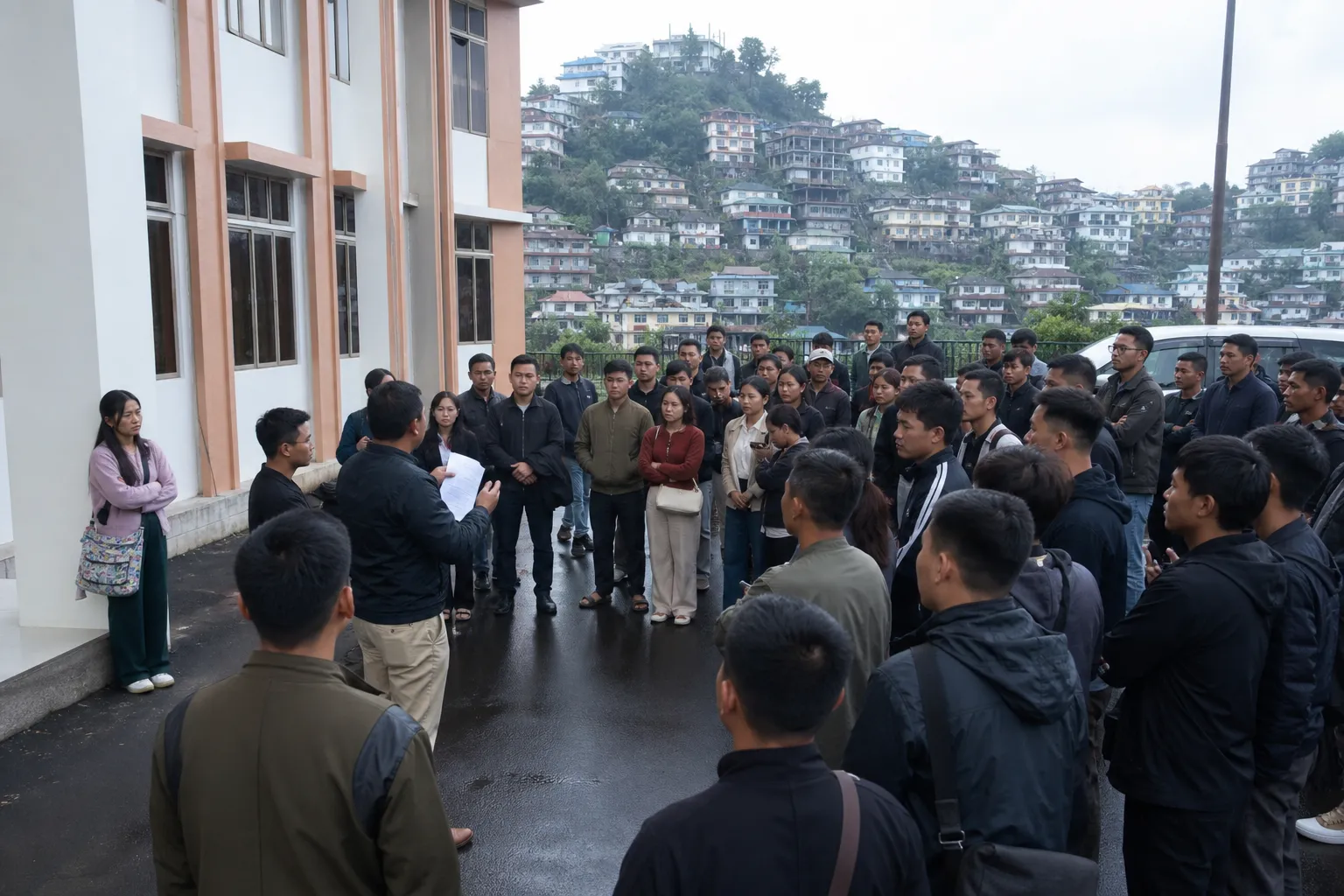
The Mizoram government has constituted a panel to examine reforms to the Mizoram Public Service Commission, bringing an immediate pause to a student-led agitation over state recruitment procedures. The Mizo Zirlai Pawl, an influential student organisation in the state, called off its protest after the government issued the formal order on Wednesday.
The sequence matters. Earlier assurances had not been enough for the organisation, which said it would continue its agitation until a written order existed. Once the panel was formally constituted, the MZP ended the protest. That insistence on a document rather than a verbal promise reflects a broader lesson in public recruitment disputes: candidates need decisions they can read, track and hold institutions to.
The agitation followed concerns about the functioning and recruitment practices of the MPSC. Recruitment examinations have a direct educational impact even though they sit outside a university. Graduates may spend years preparing for state services, often while supporting families or delaying other employment. A postponement, unclear rule or disputed evaluation process therefore carries a substantial personal cost.
The commission had also put recruitment activity on hold amid the protest, adding urgency to the search for a settlement. A reform panel can provide a route forward, but its usefulness will depend on its terms of reference, membership and deadline. A committee without a public timetable can simply move a dispute from the street into a file. The government should state which parts of the system are under review and when candidates can expect recommendations.
Several questions deserve attention. The first is examination integrity: how papers are secured, conflicts are managed and evaluators are selected. The second is communication: whether calendars, changes and results are published in a predictable format. The third is candidate redress. An applicant who identifies an error needs a channel that is independent enough to be trusted and quick enough to matter before the recruitment cycle ends.
Representation is also important. Technical expertise in examination administration is necessary, but a reform process will be stronger if it hears from recent candidates, teachers, legal experts and groups representing different districts. Consultation does not mean that every demand must be accepted. It means the panel can test whether a rule that appears tidy in an office creates an unreasonable burden in practice.
For aspirants, the end of the agitation does not automatically restart every examination. They should wait for specific notices from the commission and keep preparing against the published syllabus rather than dates circulating unofficially. If an application or admit card has already been issued, candidates should preserve it and monitor the commission's website for revised instructions.
The MZP's decision to end the protest gives the government and the commission room to work. It also sets a clear benchmark: the reform exercise must produce more than a statement of intent. A credible outcome would include public recommendations, a response from the government and an implementation calendar.
Recruitment systems earn trust slowly and can lose it after a single opaque decision. Mizoram now has an opportunity to rebuild that trust through rules that are transparent, administratively workable and fair to the graduates who organise their lives around these examinations.
Sources and reporting
Based on the Mizoram government's formal panel order and contemporaneous reports of the Mizo Zirlai Pawl decision on 12 August 2026.
Related Stories
Festive Special to Gorakhpur Gets Gurugram Halt
Fifth Accused Held in Rs 25 Lakh Sector 47 Robbery

Courier Staffer Booked Over 105 Missing One8 Returns
HC Sets Rs 50 Lakh Costs for Accused's Return to India

Gurugram Swimmer, 20, Crosses English Channel