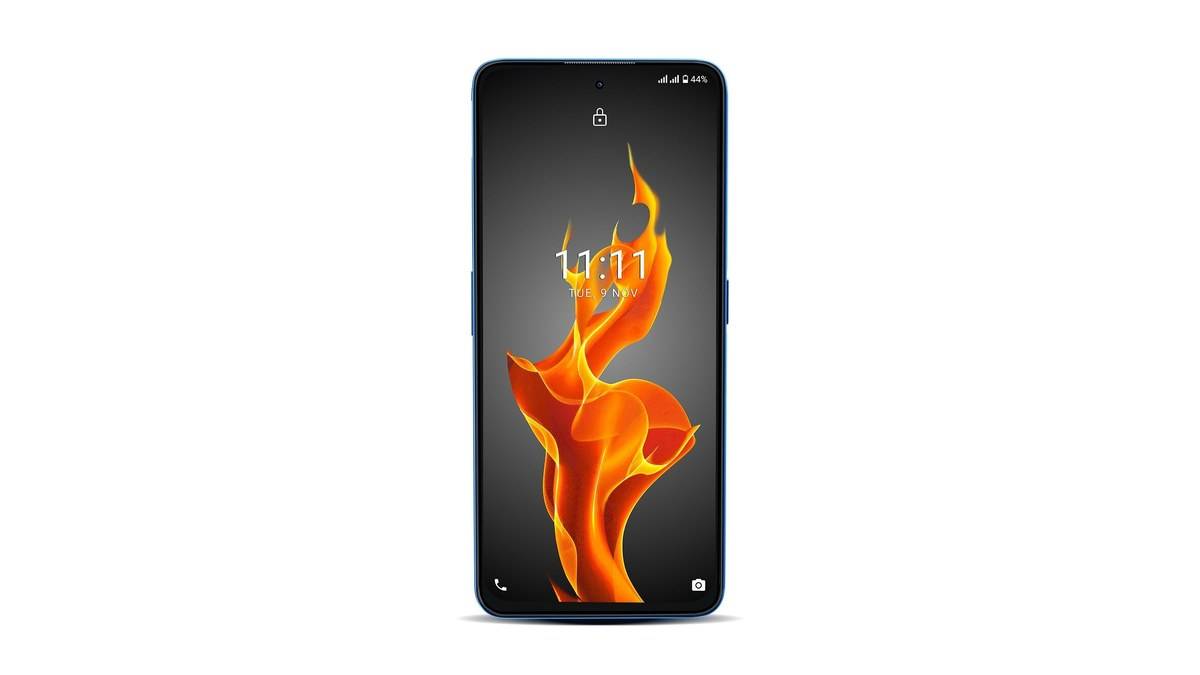
NEW DELHI: Lava's original Agni 5G is listed at Rs 17,999 on the company's online store for the configuration with 8GB RAM and 128GB storage. The handset combines a MediaTek Dimensity 810 processor, a Full HD+ IPS screen and a 5000mAh battery. This guide covers the original Agni 5G, whose specifications differ from the separately named Agni successors.
| Item | Official listing |
|---|---|
| Configuration and displayed price | 8GB RAM, 128GB storage: Rs 17,999 |
| Processor | MediaTek Dimensity 810 |
| Display | 6.78-inch Full HD+ IPS, punch hole |
| Rear and front cameras | 64MP AI quad camera; 16MP selfie camera |
| Battery and charging | 5000mAh; 30W charging |
| Unlocking | Side fingerprint scanner and face unlock |
Price as of 17 November 2026, 00:12 IST. The page also marks the handset sold out. That makes the displayed figure a catalogue reference, rather than evidence that an order can currently be fulfilled. No bank discount, exchange valuation or coupon has been deducted from the quoted price.
Price and configuration need to stay together
The opened listing identifies a single memory configuration. It does not provide a priced ladder of additional storage versions, so there is no basis for presenting a wider variant range. A reader matching an old invoice or product box should compare the complete model name and memory combination, rather than treating every phone carrying the Agni name as interchangeable.
For Indian households where a handset is passed between family members, that distinction has a practical use. A familiar series name can conceal substantial hardware changes. An accessory listing, repair enquiry or specification comparison should therefore start with the actual device identity. A later Agni model's feature list cannot establish what this original phone supports.
A large IPS screen shapes the experience
The display specification places this phone around large-screen reading, messaging and video viewing. Its punch-hole layout keeps the front camera within the screen area. Lava describes curved cover glass, but that description should not be confused with an AMOLED panel or taken as evidence that the display technology matches later models in the range.
The useful distinction is between the surface design and the panel beneath it. Readers looking through several Agni listings can otherwise mistake similar screen-size descriptions for identical display hardware. The original phone's IPS specification is the relevant reference here. Picture quality, outdoor visibility and touch response would require hands-on assessment beyond a store description.
Memory and processing without a performance promise
The processor and memory combination gives the original model a clear identity within Lava's catalogue. However, the opened page provides no comparable current application test that would establish how quickly it handles a particular game, video edit or banking app. A specification guide can identify the hardware without turning that hardware list into a measured speed claim.
Storage capacity also serves a different purpose from working memory. Saved photographs, downloaded media and installed applications consume storage, while RAM supports running software. Neither figure alone describes long-term responsiveness. Readers comparing this handset with another model should keep these categories separate instead of adding unrelated memory numbers into a single headline total.
Camera modes offer options, not a quality ranking
Lava lists night, portrait, macro, HDR, slow-motion and time-lapse options among the camera modes. These describe the shooting tools available in the camera interface. They do not establish a photographic ranking against another handset, and a megapixel count cannot by itself show how a moving subject or a dimly lit room will look.
For documenting family events or paperwork, the practical distinction is between having a suitable mode and obtaining a dependable result. Lighting, focus and movement still matter. This is particularly relevant to catalogue comparisons, where a long list of camera labels can look more conclusive than the evidence supports. No sample-image verdict is claimed here.
Battery, security and the nearest catalogue alternatives
The listed battery and charging specification describes capacity and supported charging power. It does not supply a verified full-charge duration or establish how long a used handset will run. The unlocking options likewise describe access methods, without establishing how an individual banking application will authenticate its user.
The company's Agni 2 listing provides a useful reference point at Rs 19,999, with an AMOLED display, 256GB storage and 66W charging. That comparison shows why the original model's lower catalogue figure needs hardware context. Our existing Agni 2 guide covers that separate model.
For other Lava references, see the existing Blaze Curve price guide and Storm 5G and Shark 5G comparison. These are separate product guides, rather than additional variants of this handset. The original Agni's published price remains meaningful only alongside its own configuration and availability qualification.
Official source: Lava Agni 5G product listing.