
As floodwater fell for about two days along Konia Ghat in Ward 68 over Sunday–Monday, 6–7 September 2026, residents pointed to thick silt, scattered debris and a lingering stench, and said they feared disease if cleaning lagged. Ward corporator Amardev Yadav said sanitation crews and fogging were active as the water dropped. This is a post-recede ghat-sanitation story. It is not a retread of the Sunday CWC 69.76-metre Ganga gauge pack.

Resident voices in the local tip include Ankit Jaiswal and Indu Gupta. Their complaint line, as reported, was that a Sunday holiday had been used to pause cleanup and that mud was only being shifted a short distance rather than removed from the ghat edge. Those are resident allegations about pace and method. They are not lab results.

Corporator Amardev Yadav’s counter is that sanitation and fogging continue in step with the falling water. Fogging addresses adult mosquitoes; silt removal addresses the smell and the breeding surface. Both matter in a river-edge ward that sat wet through the monsoon peak. Claiming one without the other leaves a gap residents can smell.

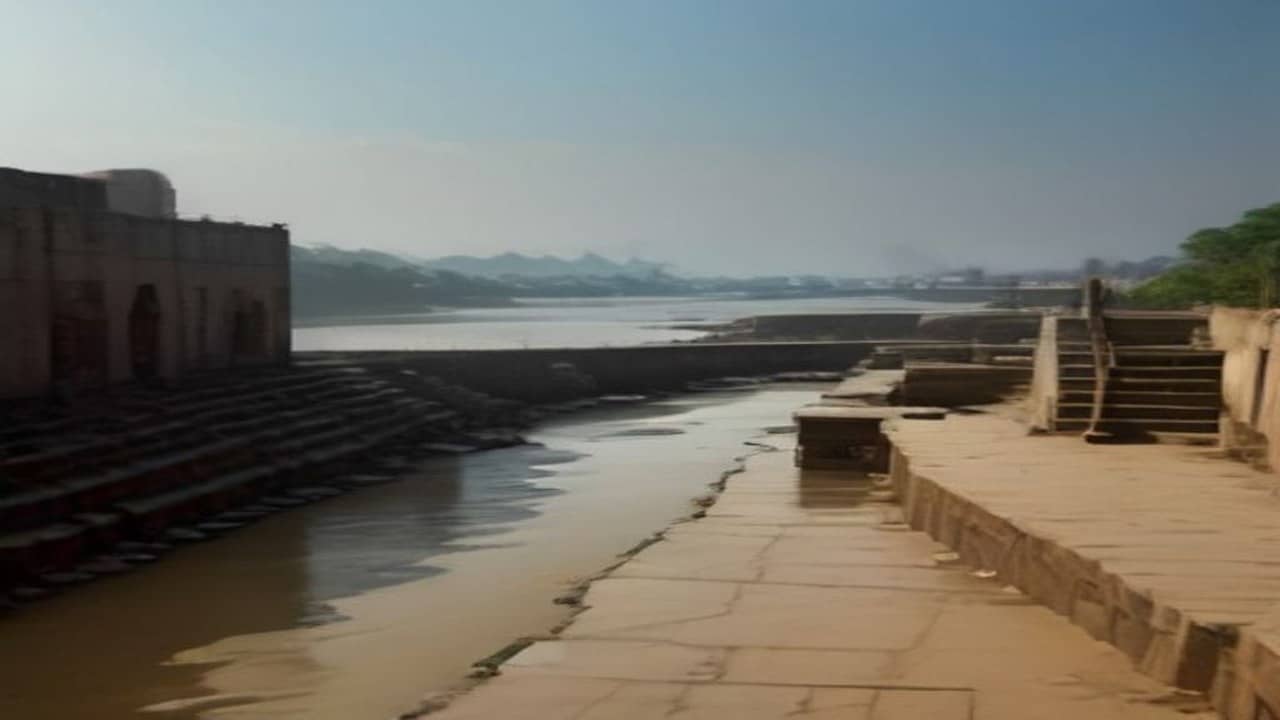
Konia Ghat’s stone steps, once the water line drops, show what the flood left: fine slurry, plastic, and organic waste that heats and stinks in September sun. Disease fear in that setting is not abstract. Skin infections, stomach bugs and vector bites are the household checklist when silt sits against doorsteps and landing stones.

Plastic bags and organic waste trapped in the slurry worsen the smell once the sun returns. Ghat-edge shops and homes share that air whether or not a fogging machine passes after dark.

This desk is not attaching a fresh Central Water Commission number to this piece. No new verified gauge primary was captured for this batch beyond the already-published Sunday reading. The lead here is silt and sanitation at a named ghat, not another centimetre on the city board.

Ward 68 also hosted the municipal drone anti-larva flight framed as a first for Nagar Nigam. That spray and this silt file share a ward and a week. They remain two stories: one about an aerial method, one about what remains on the steps when the water goes down. Packaging them as a single undifferentiated “Konia flood” blur would waste both angles.

Cleanup credibility will be settled by whether the silt actually leaves the ghat and whether fogging schedules are visible after dusk. Resident quotes about holiday pauses and short-distance mud shifting set a public test for the corporator’s sanitation claim.

As the water falls at Konia Ghat, the city’s unfinished flood business is mud, smell and vector risk on the steps—corporator Amardev Yadav’s cleanup and fogging assurances on one side, resident fear of disease on the other, and no need to reopen the CWC gauge file to say so.As Floodwater Leaves Konia Ghat, Residents Cite Silt, Stench and Disease Fear
By Harsh Mehra2 min read
About the author
Harsh Mehra
Harsh Mehra reports for Dalimss News. 1208 stories on Dalimss News, most often in India.
Sources and reporting
Post-recede sanitation reports ~Sun–Mon 6–7 Sep 2026 at Konia Ghat Ward 68; resident quotes Ankit Jaiswal, Indu Gupta per tip; corporator Amardev Yadav cleanup/fogging claims; water falling ~2 days; distinct from CWC 69.76 receding pack — no new gauge figure used as lead.
Related Stories

Varanasi
New TMC Varanasi recruitment calls
Varanasi
Varanasi publishes draft polling-station lists for eight Assembly seats

Varanasi
Varanasi shares Census 2027 timetable for November self-enumeration

Varanasi
IIT-BHU Confluentia: hackathon dates and project terms

Varanasi
Margo Rejmer joins Varanasi’s Long Night of Literatures

Varanasi