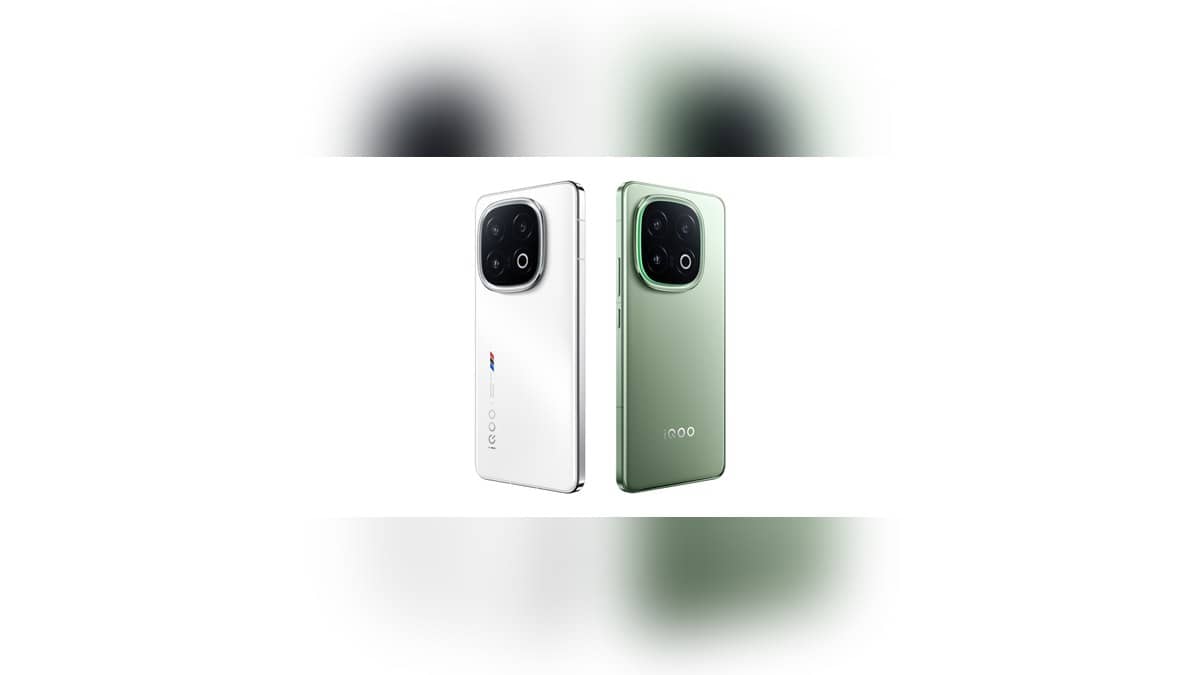
NEW DELHI: iQOO 13's up-to-144Hz display and its advertised 144fps game-frame interpolation describe different parts of the gaming experience. The official India page pairs a 6.82-inch AMOLED panel with the Q2 gaming chip, but qualifies advanced game features by compatibility. A 144Hz screen specification alone does not establish that every game runs natively at 144fps.
| iQOO 13 figure | What it describes |
|---|---|
| 6.82 inches | Display diagonal |
| 3168 x 1440 | Physical display resolution |
| Up to 144Hz | Maximum advertised display refresh rate |
| 1Hz to 144Hz | Advertised LTPO dynamic refresh range |
| 144fps interpolation | Q2-supported game-frame feature, subject to compatibility |
| 2K Super Resolution | Separate Q2 game-image feature |
Read the screen and game claims separately
Refresh rate concerns how the display updates; game frame rate concerns the sequence of pictures being presented. Android's developer documentation treats an app's intended frame rate and the display's chosen refresh rate as separate values. It also says the system considers several factors when selecting a display rate, so an application's request is not an unconditional guarantee.
For an owner, that means a refresh-rate setting or indicator cannot answer every gaming-performance question. Begin by asking which value you are looking at. A panel mode, a game's own frame-rate selection and a gaming overlay may describe different stages. Record the label alongside the reading instead of assuming every number on screen measures the same thing.
What iQOO says the Q2 chip adds
The product page specifically calls its 144fps feature Game Frame Interpolation and describes it as exceeding the native frame rate. It separately advertises Game Super Resolution and the ability to combine super resolution with the enhanced frame-rate mode. The footnote makes actual game support the deciding qualification.
Those distinctions matter when describing what was tested. A clip showing an enhanced mode should identify that mode, rather than present the result as proof of native rendering at the same rate. Likewise, a screenshot of a game menu does not independently establish that the Q2 enhancement was enabled. Keep the native game setting and the phone's enhancement controls in the same test notes.
iQOO includes an FPS Meter among the gaming features on its page. The page does not supply enough detail about that meter's measurement point to make it an independent native-rendering certificate. If a reading is used to illustrate behaviour, say which tool produced it and which enhancements were active. Avoid attaching a stronger interpretation than the tool's documentation supports.
Check a familiar game before comparing results
A useful owner check starts with the game you actually play, its installed version and the enhancement controls available on your phone. Look for explicit support rather than inferring it from the Q2 badge. Compare the same scene with the same game settings, and change an enhancement only after recording the starting configuration.
That is a suggested observation method, not a claim that this article has benchmarked the phone. It is especially useful when discussing match footage with friends: if one person uses interpolation and another reports a native game setting, their matching headline numbers do not establish a like-for-like result. Agree on what is being measured before arguing about which reading is correct.
The model has a particularly layered display pitch
iQOO 13 combines its 3168 x 1440 panel with a Snapdragon 8 Elite, while the Q2 feature page uses the 2K label for game-image processing as well. That puts a physical screen specification and a processing feature into the same product pitch. Keep the panel's pixel dimensions separate from claims about what a particular game produces or how its image is enhanced.
The parameter sheet also lists a 6000mAh typical battery and 120W charging. Those establish other parts of this model's hardware specification, but neither certifies a sustained frame rate. A meaningful description of a long session still needs the game, mode and observation conditions. The product page itself says performance varies with software, device condition, habits and environment.
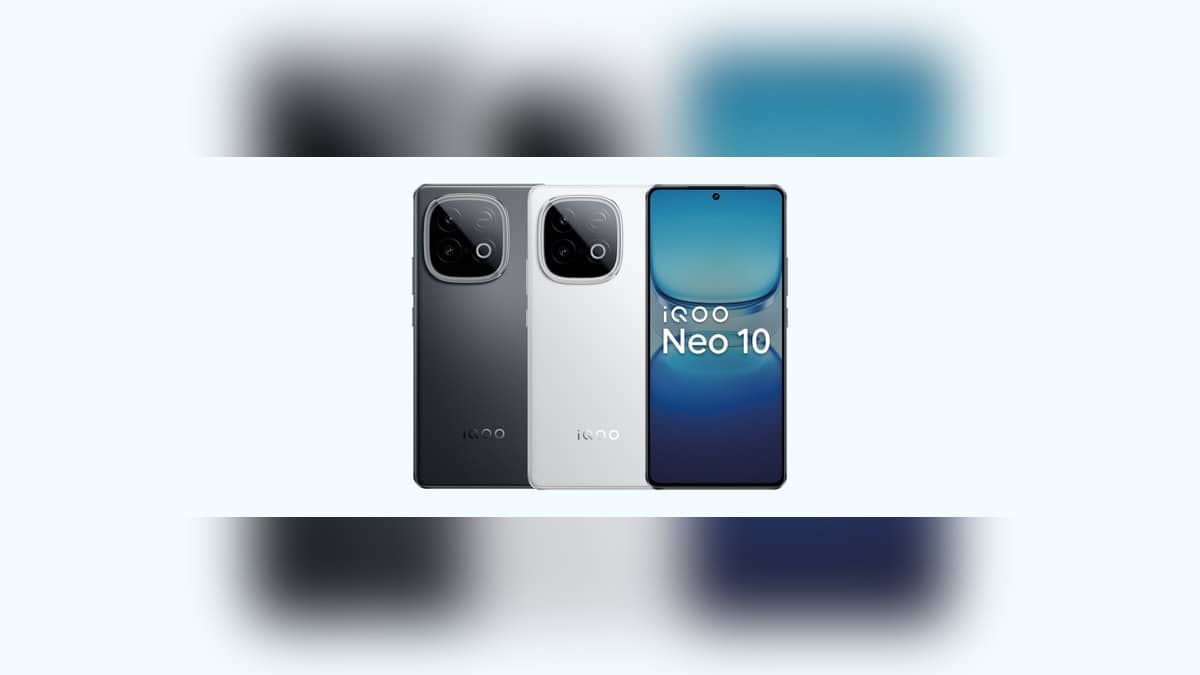
Our iQOO Neo 10 vs 15R: Rs 48,999 and Rs 59,999 for 12GB/256GB covers other iQOO models. Readers checking another display-related specification can use the iQOO phone price list India: Rs 16,999 to Rs 93,999 for Z10 Lite to iQOO 15, while the iQOO Z10 Lite vs Z11 Lite 44W: Rs 18,999 and Rs 19,999 compared shows why a shared model name does not settle every hardware detail.
Official sources: iQOO 13 display and gaming-feature page, India specifications and Android's frame-rate documentation.