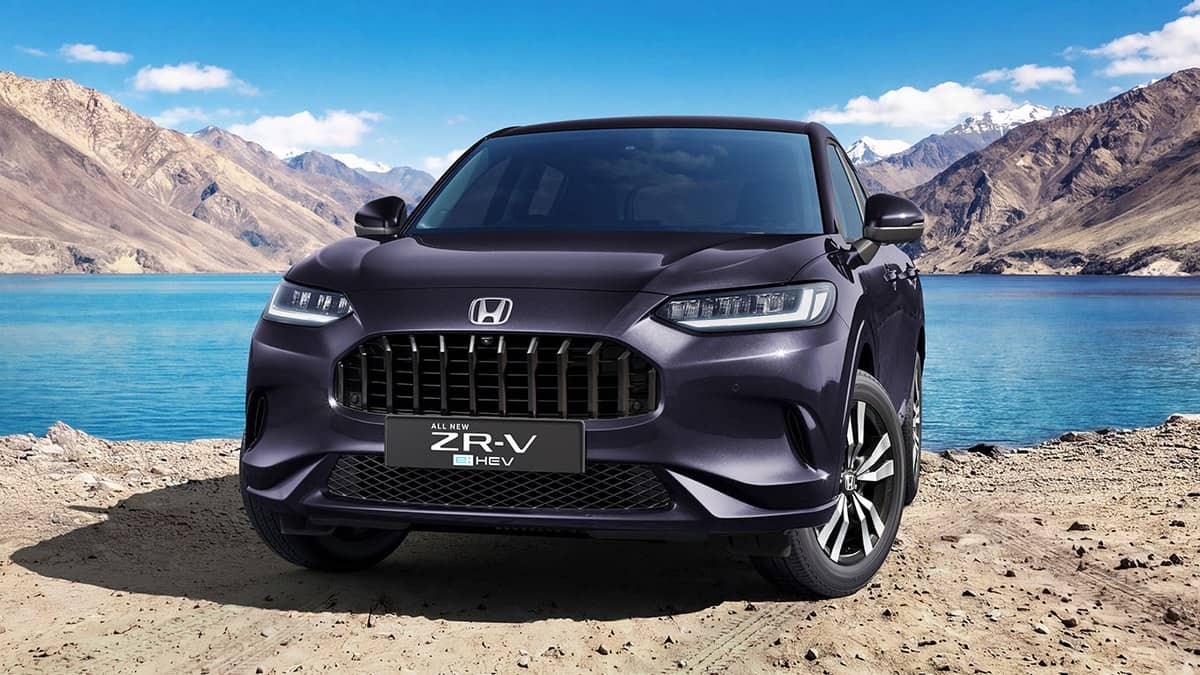
NEW DELHI: Honda's ZR-V e:HEV combines a 2.0-litre petrol engine with a dual-motor hybrid system, an e-CVT and a published combined maximum output of 184 PS. Its Electric, Hybrid and Engine Drive states are selected automatically. Those operating states are separate from the ECON, NORMAL and SPORT settings shown on the vehicle's drive-mode selector.
| Powertrain point | Honda's published specification |
|---|---|
| Petrol engine | 2.0-litre direct-injection Atkinson-cycle |
| Hybrid arrangement | Dual-motor e:HEV |
| Combined maximum power | 184 PS |
| Published maximum torque | 315 Nm |
| Transmission | e-CVT |
| Automatic operating states | Electric, Hybrid, Engine Drive |
That distinction helps explain the controls without turning a hybrid into an electric car with a selectable petrol backup. Choosing SPORT does not mean the driver has manually commanded Engine Drive. Likewise, seeing electric operation does not mean the car has become a battery-only vehicle for the rest of the journey.
Two sets of modes answer different questions
Honda's product page presents the drive-mode selector separately from the hybrid operating illustrations. The selector describes the driver's preferred setting. The operating states describe how the powertrain is working at that moment. Keeping those ideas separate makes the instrument display easier to interpret.
For an Indian commute that moves between traffic queues, open arterial roads and a faster bypass, the useful observation is how the car manages the transitions. A driver does not need to choose a new hybrid state every time the road changes. Honda says the system switches among its operating states automatically.
The electric part of the experience is therefore a component of an integrated petrol-electric drivetrain. It should not be read as a promise of a fixed electric-only distance. The official pages used here do not establish such a distance, and this report does not assign one.
Read the combined output as a system figure
The 184 PS number is Honda's combined maximum power claim. Treat it as the published output of the complete arrangement. Adding separate engine and motor figures would require a technical basis for how and when each reaches its maximum; a collection of peak figures alone does not establish a new total.
Honda pairs that output with a published 315 Nm torque figure in its India announcement. These numbers describe the manufacturer's specification. They are not this publication's measurement of acceleration, overtaking performance or how the vehicle responds with passengers and luggage aboard.
The model's e-CVT label also needs to stay attached to its hybrid system. A familiar transmission abbreviation on another car does not establish identical hardware or behaviour. Our Honda car prices: Amaze from Rs 6,97,700, City Rs 11,99,900, ZR-V Rs 49,99,900 discusses a different arrangement and illustrates why the full powertrain description matters.
What the efficiency number can tell you
Honda's current ZR-V FAQ quotes 22.8 km/l. It is a manufacturer-published fuel-efficiency figure, rather than an observed result from an individual journey. It belongs alongside the petrol-electric system description and should not be converted into a guarantee for every route or traffic condition.
A useful ownership record separates the car's displayed consumption from fuel actually added over repeated fills. If an owner wants to understand a change, record the route and driving circumstances as well. That is a method of assessing personal use, not a replacement official rating or a claim about what every ZR-V will return.
For comparison with another manufacturer's explanation, our Honda City price list: Rs 11,99,900 to Rs 20,99,900 examines a different published figure. Numbers from separate models should retain their own test basis and specifications rather than becoming a prediction for the same driver's commute.
Keep the controls and ownership cover separate
Before a demonstration drive, ask to see the energy-flow display and the drive-mode selector separately. Observing a change in operating state can explain the system more clearly than relying on the word hybrid alone. A demonstration still cannot establish a fixed electric-only range that Honda has not published on the pages checked.
Our Honda New Elevate priced from Rs 11.80 lakh, CVT from Rs 13.79 lakh addresses cover, a separate ownership question. Understanding how the drivetrain operates does not establish the terms of a repair claim. The product description, operating instructions and warranty documents serve different purposes.
Official sources: Honda ZR-V product page, ZR-V specifications and Honda's India powertrain announcement.