GURUGRAM: Haryana's elementary education department has ordered district officers to review teacher availability school by school and make temporary adjustments where electoral-roll revision duties have left classrooms short-staffed.
In an order dated 30 August, the director of elementary education instructed district elementary education officers to examine staffing in every government school and issue internal adjustment or deputation orders where required. The direction says each school must retain at least the minimum number of teachers needed for its functioning.
Election work has pulled teachers from classrooms
Teachers have been deployed as booth-level officers and assistants for the Special Intensive Revision of electoral rolls. The exercise is time-bound and administratively important, but the same employees cannot simultaneously conduct field verification and teach a full classroom timetable.
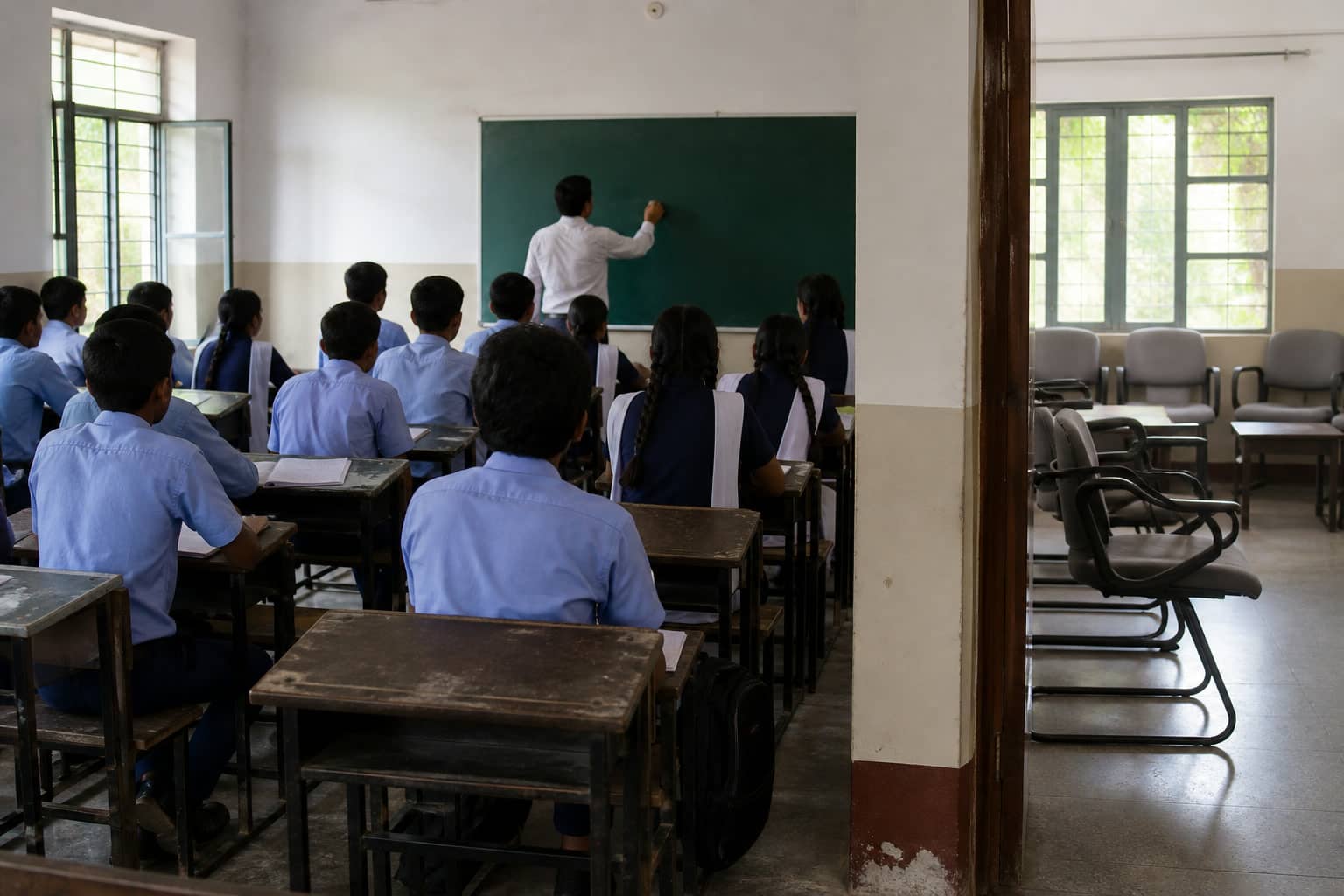
Nearly 90 per cent of government schools in Gurugram district were reported to have faced a shortage at some level. That estimate indicates the breadth of disruption, though the severity will vary by school, grade and subject. A small primary school losing one teacher can be affected as sharply as a large campus losing several specialists.
At Government Senior Secondary School in Fazilpur Jharsa, 15 teachers were assigned booth-level officer duties and four more were working as assistants, while the school serves around 780 students. Schools in Bhondsi have reported similar pressure, with remaining teachers covering more classes and administrative work.
The timing adds to the strain. Examination duties include securing and distributing question papers, maintaining attendance, invigilation, collecting answer sheets and evaluation. Moving staff between schools may prevent a room from being left without an adult, but it can also disrupt lesson continuity and subject teaching.
A temporary reshuffle needs safeguards
District officers were asked to submit an action-taken report after the review. That report should show more than the number of transfer orders issued. It should identify schools below minimum staffing, teachers deployed for election work, the duration of each adjustment and whether core subjects and early grades remain covered.
Temporary deputation must not solve one shortage by creating another. Before moving a teacher, the district should compare enrolment, timetable load and existing vacancies at both schools. Travel time also matters; a teacher sent far across the district loses working hours and may struggle to manage duties at two locations.
The education and election authorities need a shared roster for essential classroom exemptions. School heads, teachers responsible for board classes and staff needed for examinations should be protected wherever alternatives exist. Retired personnel or other eligible government staff could be considered for suitable election tasks under the applicable rules, reducing repeated dependence on classroom teachers.
Parents deserve clear information without being drawn into an administrative dispute. Schools should publish any temporary timetable change and a contact for missed instruction. Where teaching hours have already been lost, short recovery plans can prioritise foundational lessons rather than rushing through the syllabus.
The latest order recognises that the staffing problem is real, but redistribution is a holding measure. Gurugram's schools need teachers present through the academic session, while electoral revision needs enough trained personnel to maintain accuracy. Planning both workforces together is the only way to stop one public duty from quietly weakening the other.