Pollution Board Intensifies Monitoring of Fuel Used by Haryana Brick Kilns
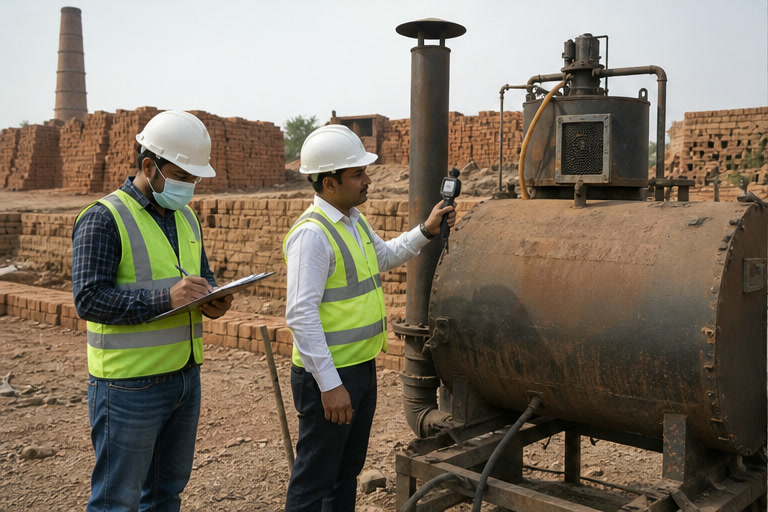
GURUGRAM: The Pollution Control Board is strengthening monitoring of the fuel used by brick kilns ahead of the harvest season, when the choice and handling of combustible material can have a direct bearing on local air quality.
The board has also reportedly identified shortcomings in pollution-control arrangements. The supplied information does not state how many kilns were inspected, where they are located or the exact nature of every deficiency, and those details should not be inferred.
Fuel checks help authorities verify whether kilns are using permitted material and maintaining records that match actual consumption. Burning prohibited or unsuitable waste can release harmful pollutants, while poor storage and feeding practices can make otherwise regulated operations harder to monitor.
Equipment and operating arrangements also require attention. Inspectors need to assess whether the control measures required for a kiln are functional and whether operators follow the conditions attached to their consent. A device listed in a record does not improve emissions if it is bypassed, poorly maintained or used inconsistently.
The period before and during the harvest season is important because agricultural activity changes the availability and movement of biomass and other material. The monitoring drive should prevent unapproved fuels from entering kiln supply chains without making unsupported assumptions about any specific operator.
Inspection records should distinguish between a minor maintenance gap and a condition that can materially increase emissions. That distinction helps authorities order proportionate corrections while ensuring that serious shortcomings are not reduced to paperwork.
Kiln owners should receive clear directions on the deficiencies found and the time available for corrective action under the applicable process. Repeated or serious non-compliance can then be addressed through documented enforcement, while compliant units should be assessed by the same transparent standard.
The effectiveness of the drive will depend on sustained inspections and verification after corrections are claimed. Fuel records, site conditions and pollution-control systems need to agree if the monitoring effort is to produce a meaningful air-quality benefit for Gurugram and the wider Haryana region.
Related Stories

Mayor Announces Stricter MCG Drive Against Stray Cattle

Court Stays Further Eviction at Baba Balak Nath Temple Complex
HRERA Orders Rs 19.28 Lakh for Delayed Sector 82 Flat Possession

STF Arrests Agra Man With Six Country-Made Pistols in Sohna

FDA and Police Seize Codeine Syrup, Alprazolam in Sohna Raid