GURUGRAM: The district health department has begun the local JOSH team programme to involve young volunteers in tuberculosis awareness and help people reach testing and treatment services. The Gurugram launch took place at K-IIT College of Engineering in Bhondsi on 8 October. It establishes a local start to the initiative, but does not confirm that teams are already operating in every city ward.
According to the Haryana government's district account, the department organised the programme with the non-governmental organisation GLRA. NCC cadets, MY Bharat volunteers and college students participated. They received information about TB symptoms and prevention, timely testing and treatment, and registered as volunteers on the TB Mukt Bharat App.
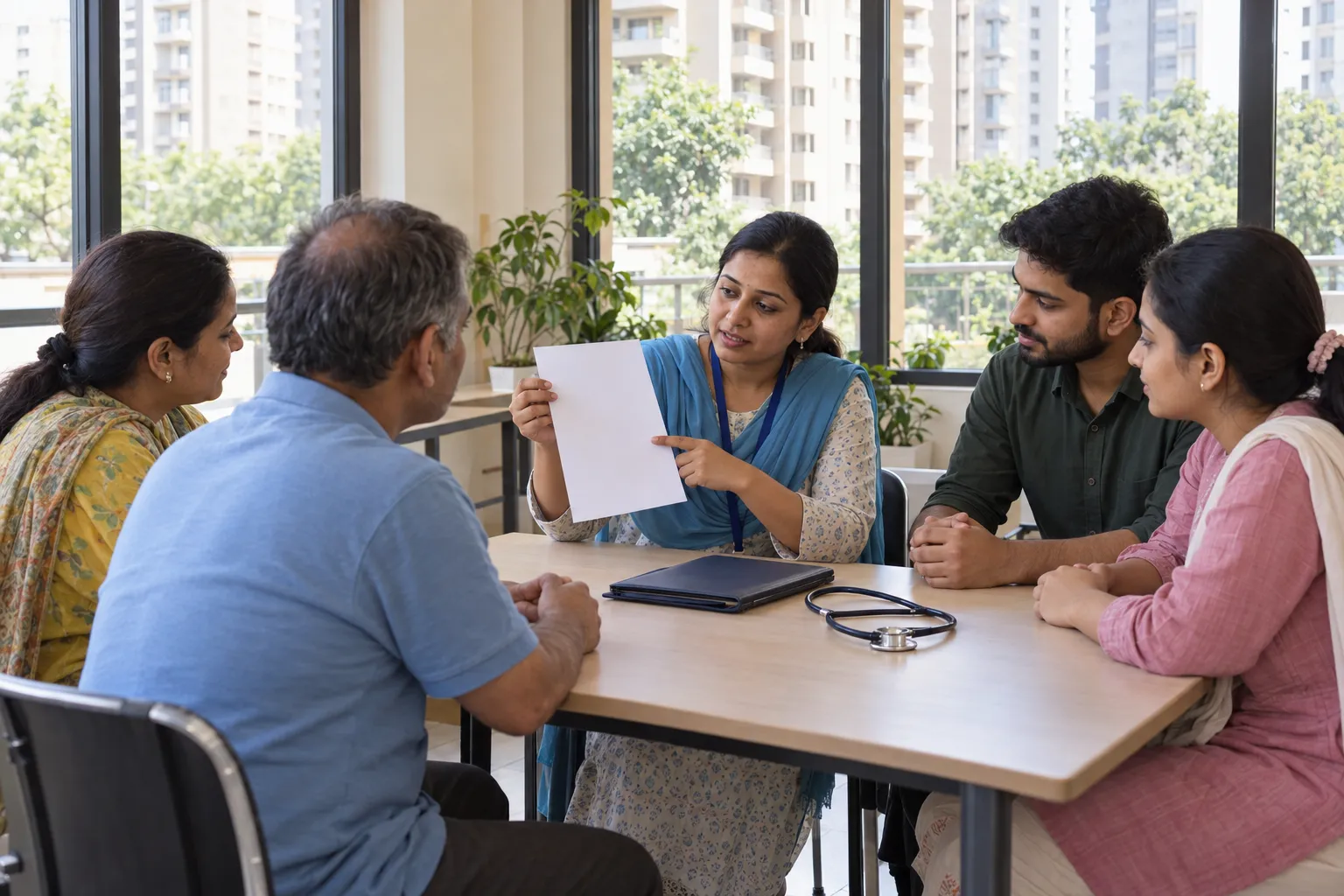
The immediate purpose is community outreach. The official descriptions place volunteers between residents and the health system: they are to encourage people with symptoms or concerns to seek evaluation, address misconceptions and support people through prescribed treatment. The programme does not assign volunteers the role of diagnosing TB or deciding an individual's treatment.
How the JOSH squads are meant to work
JOSH stands for Joint Squad for Health. The national launch release describes a collaboration between the ministries responsible for health, youth affairs and sports, and defence. Its team model combines five MY Bharat volunteers and five NCC cadets under a designated Class I officer at block or ward level.
The planned household and community interactions cover awareness of common symptoms, prevention and the value of early diagnosis. The teams are also expected to encourage people to remain connected with treatment services. Those activities describe what the outreach programme is intended to do; they are not evidence that a particular Gurugram neighbourhood has already received a visit.
Reducing stigma is another stated task. The national account asks volunteers to engage with families, respond to fears and discourage discrimination against people affected by TB. Treatment completion and nutrition support also feature in the programme's objectives. The local release does not announce a separate Gurugram benefit amount or new eligibility process for such support.
Nationally, the first phase covers 55 districts across 11 states and Union territories. The 8 October release reported 6,347 squads, bringing together 31,429 MY Bharat volunteers and 26,794 NCC cadets. These are national figures. They should not be read as a count of teams or personnel assigned to Gurugram.
The launch also introduced a dedicated JOSH feature in the TB Mukt Bharat App, alongside a flipbook and brochure for outreach. Local registration is confirmed by the district account. Neither that registration exercise nor the national app announcement establishes a public recruitment timetable for anyone in Gurugram wishing to join later.
Residents can seek help without waiting for a team visit
At the Bhondsi event, Deputy Civil Surgeon (TB) Dr Ranjana Malhotra advised people with a persistent cough, fever, weight loss or other concerning symptoms to seek testing at the nearest health centre without delay. WHO adviser Dr Kritika Bansal discussed awareness and prevention. The advice was to obtain an assessment through health services, rather than draw a diagnosis from symptoms alone.
The Central Tuberculosis Division website lists Nikshay Sampark at 1800-11-6666 as the government TB helpline. It also advertises free TB diagnostic and treatment services through health facilities. Residents can use the helpline or a nearby health centre to ask where an appropriate service is available.
A volunteer's awareness conversation is therefore one route towards care, not a prerequisite for approaching a facility. The district's published advice does not ask residents to wait for a JOSH camp or a household visit before seeking testing. Clinical assessment and any treatment decisions remain with health professionals.
Several local operating details are still absent from the releases reviewed: a Gurugram team count, a complete ward roster and a testing-camp calendar have not been published there. There is also no local outcome measure showing that the newly launched teams have already reduced infections. Those gaps limit what can yet be said about coverage.
Dalimss News has separately reported on private-clinic enrolment in the digital health mission and work orders for 30 city health centres. Those are distinct health-system developments; the JOSH releases do not identify them as components of this volunteer programme.