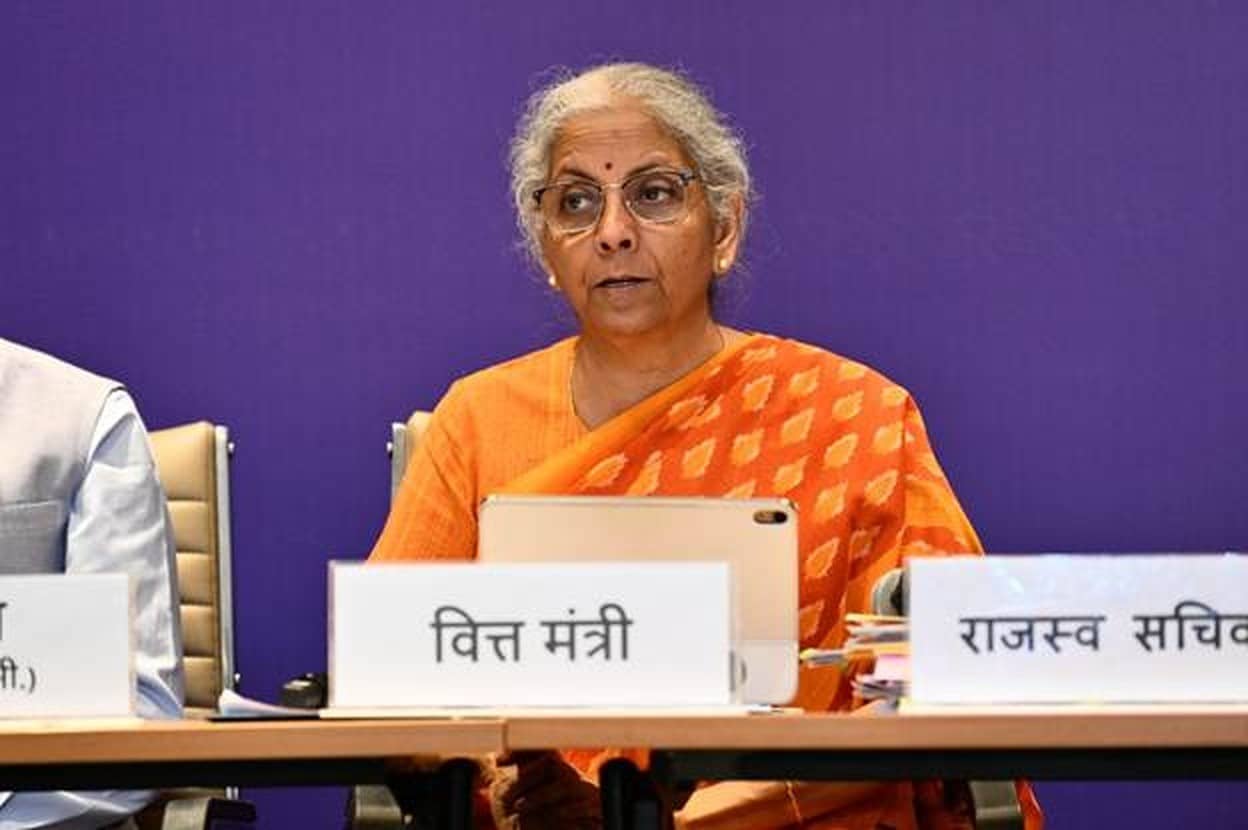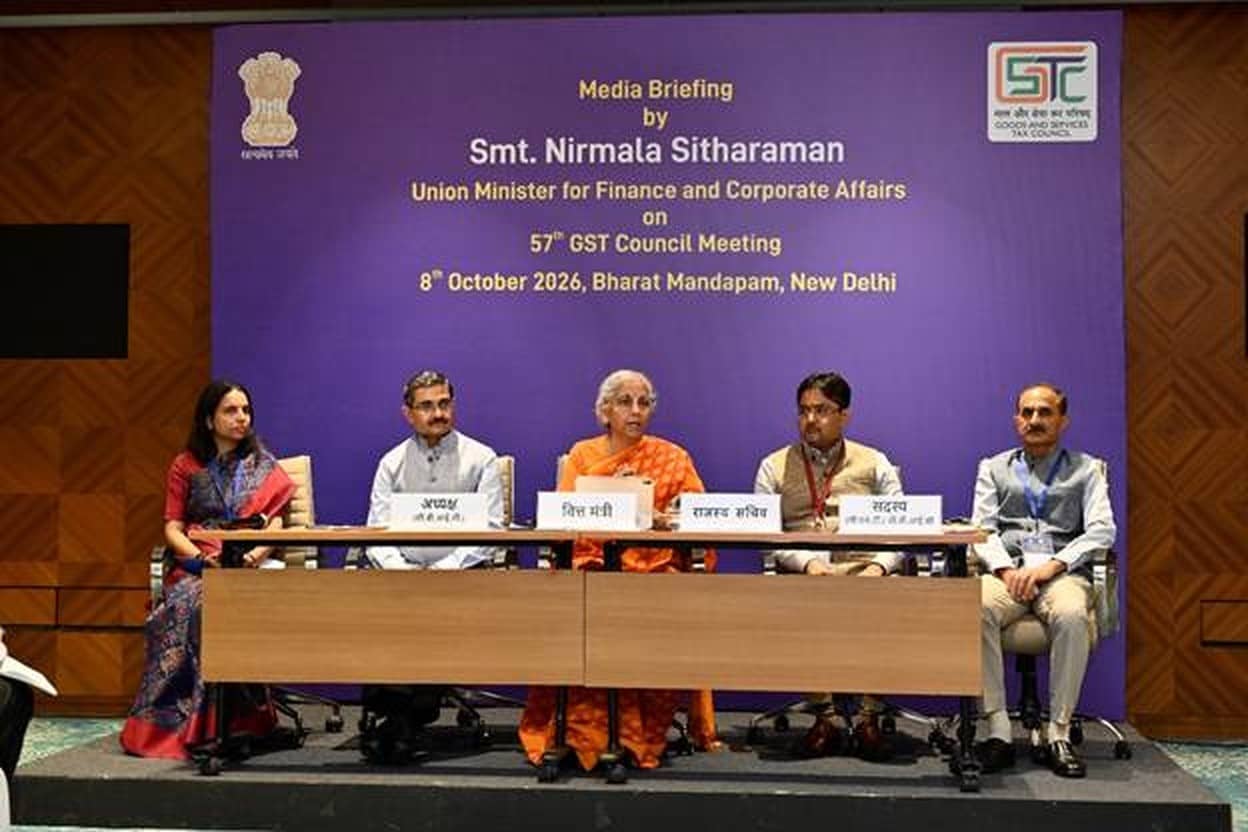
The GST Council's 57th meeting in New Delhi on 8 October did not change a single tax rate on common goods. For small traders, online sellers and shopkeepers, it may still be one of the more useful meetings in years, because most of its decisions are about the paperwork, notices and penalties that take up their time. Here is what the Finance Ministry's release says, and what it could mean in practice.
One point first. These are recommendations. The release says they take effect only through circulars, notifications and changes to the law. Some need Parliament and state legislatures to amend the GST Acts, so nothing below applies to your next return until the government notifies it.
Late fees: a grace window for smaller businesses
The Council has recommended waiving the late fee on a delayed return under section 39(1) of the CGST Act for taxpayers whose turnover in the previous financial year was up to Rs 5 crore. The condition is that the return is filed by the end of the month in which it was due.
In practice, if your monthly return is due on the 20th and you file it on the 28th of the same month, you would pay no late fee once this is notified. File it in the following month and the usual fee applies. For a shopkeeper who files a few days late because of a festival rush or a bank holiday, this removes a small but irritating cost. Interest on tax paid late is a separate matter, and the release does not say it is waived.
Smaller notices and lighter penalties
Several changes deal with the fear of notices. No show cause notice is to be issued where the tax involved is under Rs 10,000. Pending notices or appeals below that amount on the date the change takes effect are to be treated the same way. The maximum general penalty under section 125, used for procedural lapses, falls from Rs 25,000 to Rs 10,000.
Where there is no fraud, a business that pays the tax and interest within 30 days of an order under section 73, or 60 days under section 74A, will pay a reduced penalty of 5 percent. The minimum penalty of Rs 10,000 in such cases goes. The Council has also recommended removing arrest powers from the GST law and raising the prosecution threshold from Rs 1 crore to Rs 5 crore, which we covered in our news report on the meeting.
There is also relief on blocked credit. Rule 86A lets an officer block input tax credit in a taxpayer's electronic credit ledger. The Council wants taxpayers to be able to object to such a block and get a personal hearing before the officer decides.
Registration and cancellation
Since the 56th meeting, the GST portal has been granting registration automatically under rule 14A to applicants who do not intend to pass on input tax credit of more than Rs 2.5 lakh a month. For everyone else, the Council wants a detailed circular listing the documents needed, with FAQs, and drop down options in the application form so fewer applications are sent back for missing details.
Changes to registration details will be accepted automatically on the portal, except a change of principal place of business. For those registered under rule 14A, even that will be automatic. Cancelling a registration will also get simpler. In the first phase, an application to cancel will be accepted by the system once all returns are filed and dues paid, for taxpayers who never passed on more than Rs 2.5 lakh of credit in a month, or who did but filed their final return on time. In the second phase, all such applications will be accepted automatically once returns are filed and dues paid.
Online sellers: selling in other states without an office there
This is the change marketplace sellers will notice most. A new rule 14B will let a small supplier of goods through an e-commerce platform register in a state where it has no physical presence, by declaring the platform's warehouse in that state as its principal place of business. It applies to sellers who intend to pass on no more than Rs 2.5 lakh of credit a month, not counting stock transfers between their own registrations.
Take a home decor seller in Jaipur who wants faster delivery to customers in Karnataka. Today, stocking goods in a marketplace warehouse in Bengaluru usually means arranging an address in that state. Under the proposed rule, the seller could declare the warehouse itself. The release does not give a start date, and platforms will need to update their own seller processes once it is notified.
Goods on the road
Traders who move stock by truck should note the e-way bill changes. A vehicle carrying goods can be stopped only on specific intelligence and with the authorisation of an officer of Joint Commissioner rank or above. Inspection, detention or seizure can happen only in a state where the supplier or the buyer is located or registered, so there will be no interception in states the goods are only passing through. Confiscation will not apply to goods in transit. The exception is where no e-way bill has been generated or the vehicle carries no document showing where the goods came from or are going.
A possible annual return for B2C shops
The Council approved in principle a concept note for an optional Annual Return Quarterly Payment scheme. It would be open to taxpayers with turnover up to Rs 5 crore in the previous year who sell only to unregistered buyers, such as neighbourhood shops selling to households. As the name suggests, they would file a return once a year and pay tax every quarter. This is only a concept for now, and the details will come later.
Scrap dealers, restaurants and gyms
Some changes are trade specific. Plastic scrap, electrical and electronic waste, tyre scrap and used cooking oil will move to reverse charge when an unregistered supplier sells to a registered buyer, so the buyer pays the tax. Between registered businesses, tax will be deducted at source at 2 percent.
Restaurants and outdoor caterers, hotels charging up to Rs 7,500 a room a night, and gyms will be allowed limited input tax credit in the same line of business, in the same way transport operators and tour operators get it now. The Council has also recommended removing the block on credit for outdoor catering, health and life insurance and free samples, among others, which matters to small firms that buy insurance for staff or hand out samples.
What to do now
Nothing changes on the portal today. Keep filing on time, and watch for CBIC notifications and circulars over the coming weeks, which will set the start dates. Small merchants are already dealing with another change this month, explained in our piece on the UPI merchant fee from 15 October, and borrowing costs have moved too, as our report on the RBI repo rate hike sets out. The full list of decisions is in the Finance Ministry release on PIB.