UPI stays free for shoppers when the merchant fee starts on 15 October
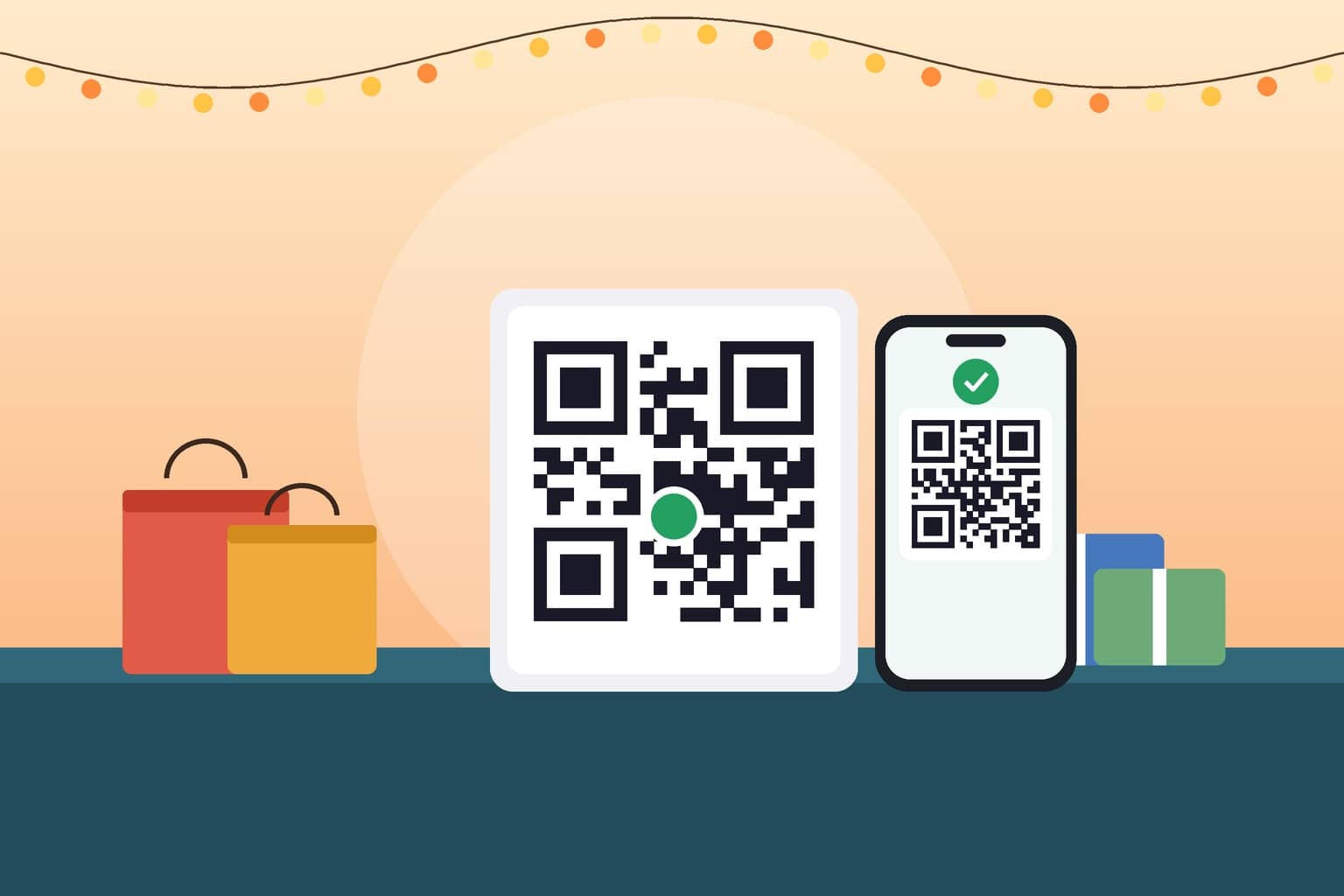
NEW DELHI: Shoppers will not pay a rupee extra to use UPI when the new merchant discount rate (MDR) starts on 15 October 2026, according to the Press Information Bureau and NPCI. What changes is the cost to the shop. From that date merchants pay 0.4 per cent on specified person-to-merchant UPI payments above Rs 2,000, in the middle of the festive sale season.
The framework was explained in a PIB release dated 15 September 2026 and in an NPCI FAQ document issued the same day. Both say the fee sits inside the merchant payment chain and is shared among banks, payment service providers and UPI apps. Neither the government nor NPCI collects it.
How much merchants pay
NPCI's worked examples show the scale. A Rs 3,000 purchase costs the merchant Rs 12. A Rs 50,000 purchase costs Rs 200. For payments of Rs 75,000 and above the fee is capped at Rs 300, so a Rs 1,00,000 payment still costs Rs 300 and not Rs 400. By the same 0.4 per cent arithmetic, a Rs 45,000 phone paid over UPI would cost the seller Rs 180, though neither document says whether a given online checkout counts as a specified transaction.
Some sectors pay a flat rate instead. Above Rs 2,000, railways, telecommunications, insurance, fuel and agricultural inputs pay Rs 5 per transaction, and NPCI says utility bills follow the same flat concession. Payments to mutual funds, securities and brokers attract 0.02 per cent, capped at Rs 300. NPCI also lists the cost of cards for comparison: credit card MDR typically runs 1.5 to 2.5 per cent, while debit card MDR is capped at 0.90 per cent.
What stays free for you
Person-to-person transfers remain free at any amount, including self-transfers. Payments to merchants up to Rs 2,000 carry no MDR. Small merchants who receive up to Rs 1 lakh a month through UPI QR codes in the person-to-person-merchant category stay at zero. PIB says only about 4 per cent of merchant transactions will attract the fee, so roughly 96 per cent are untouched.
UPI apps are barred from adding platform fees, and banks have been advised to ensure merchants do not pass MDR on to customers. NPCI says AutoPay mandates for bills and subscriptions carry no MDR. It adds that UPI payments funded by a linked credit card or credit line follow separate credit product rules, so those buyers should check with their issuer.
NPCI argues shelf prices should not rise because the fee is small and applies only above Rs 2,000. That is reasoning, not a guarantee. A shopkeeper who asks for extra because you chose UPI is going against the PIB statement.
What is still to be settled
PIB says 5 per cent of total MDR collections will go into a dedicated fund to help small merchants adopt UPI. NPCI says the detailed framework will be finalised with the Reserve Bank of India within three months. NPCI cites 2,451 crore UPI transactions worth Rs 29.9 lakh crore in August 2026 as the reason the system needs a funding base beyond subsidies.
For buyers heading into Amazon's Great Indian Festival on 8 October and Flipkart's Big Billion Days on 9 October, the advice is simple: pay as usual and keep the receipt.
About the author
Aditya Rudraksh Sehgal
Aditya Rudraksh Sehgal reports for Dalimss News. 104 stories on Dalimss News, most often in Technology.
Sources and reporting
PIB press release 'UPI Continues to Remain Free for Peer to Peer Transactions and 96% of Merchant Transactions', posted 15 September 2026, and NPCI FAQs on Merchant Discount Rate (MDR) on Select UPI (P2M) Transactions, dated 15 September 2026: https://www.pib.gov.in/PressReleseDetailm.aspx?PRID=2310586&lang=2®=48
Related Stories
vivo X300 FE now up to Rs 15,000 dearer than at launch on vivo's India store

Temple wearable opens early access waitlist and publishes BrainFlow studies, team and privacy policy
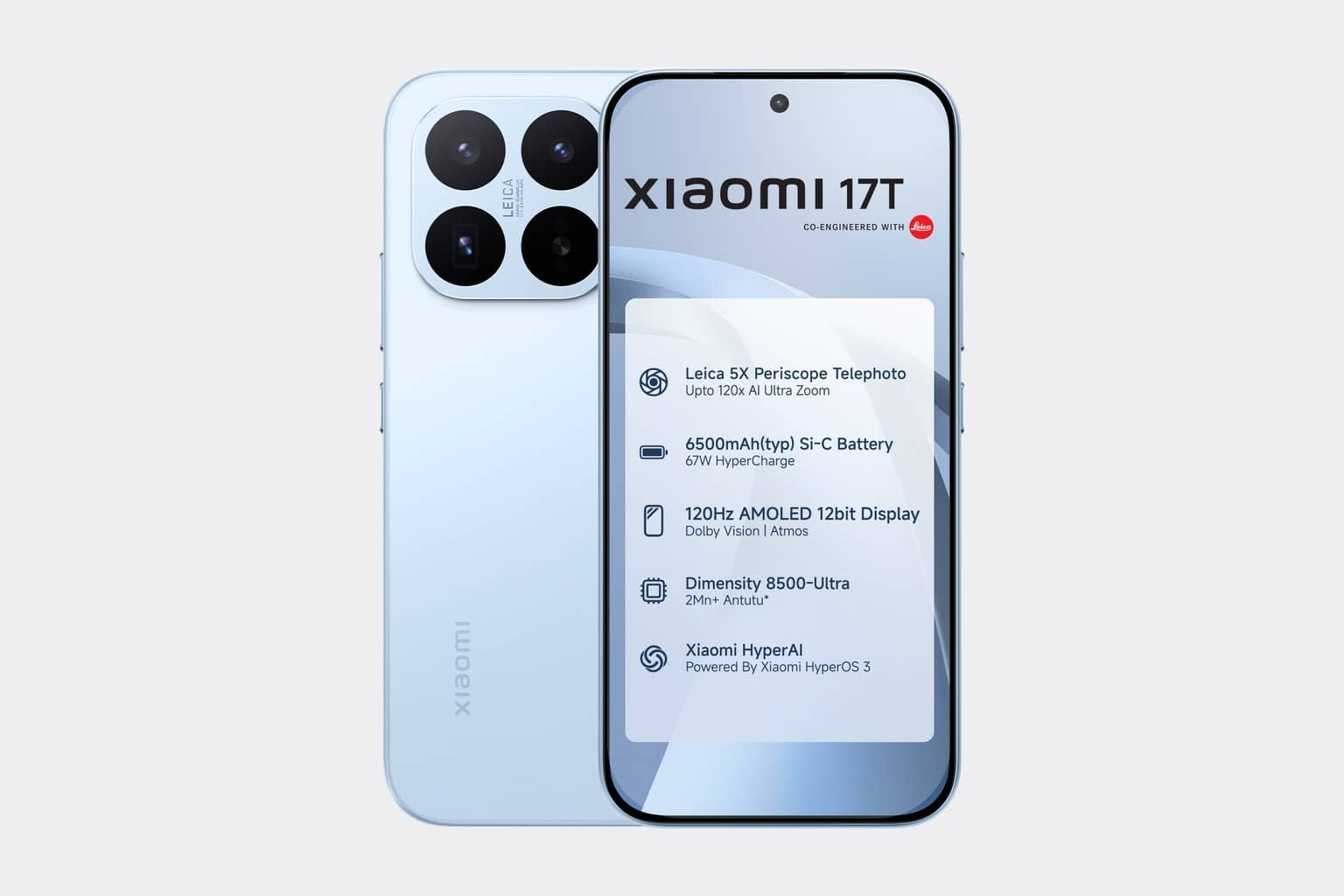
Xiaomi 17T now starts at Rs 69,999 in India, Rs 10,000 above launch price

Amazon vs Flipkart festive sale: dates, card offers and fine print from the official pages
Dhruva Space says LEAP-2 satellite, with Satleo Labs payload, was deployed after Transporter-18 launch