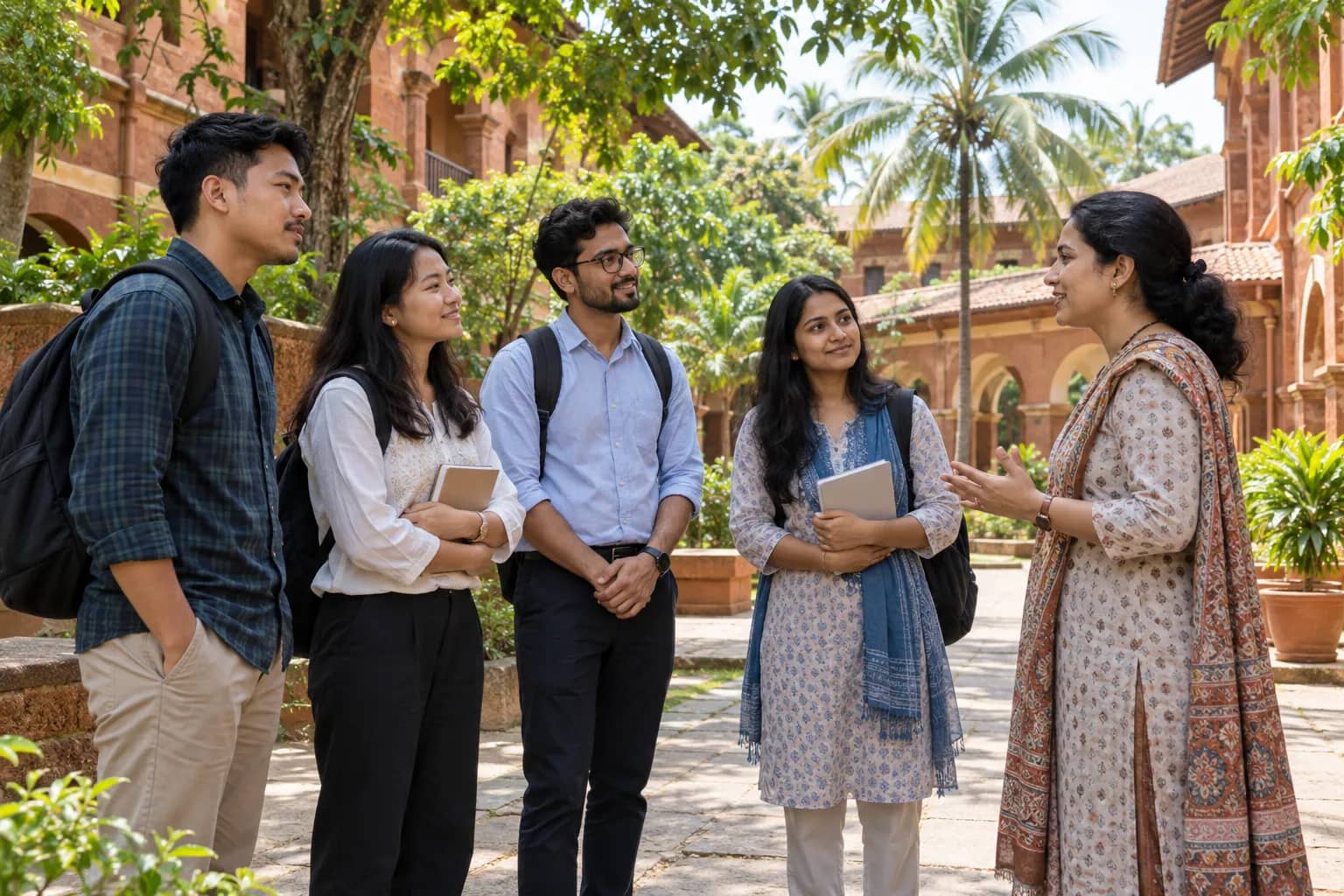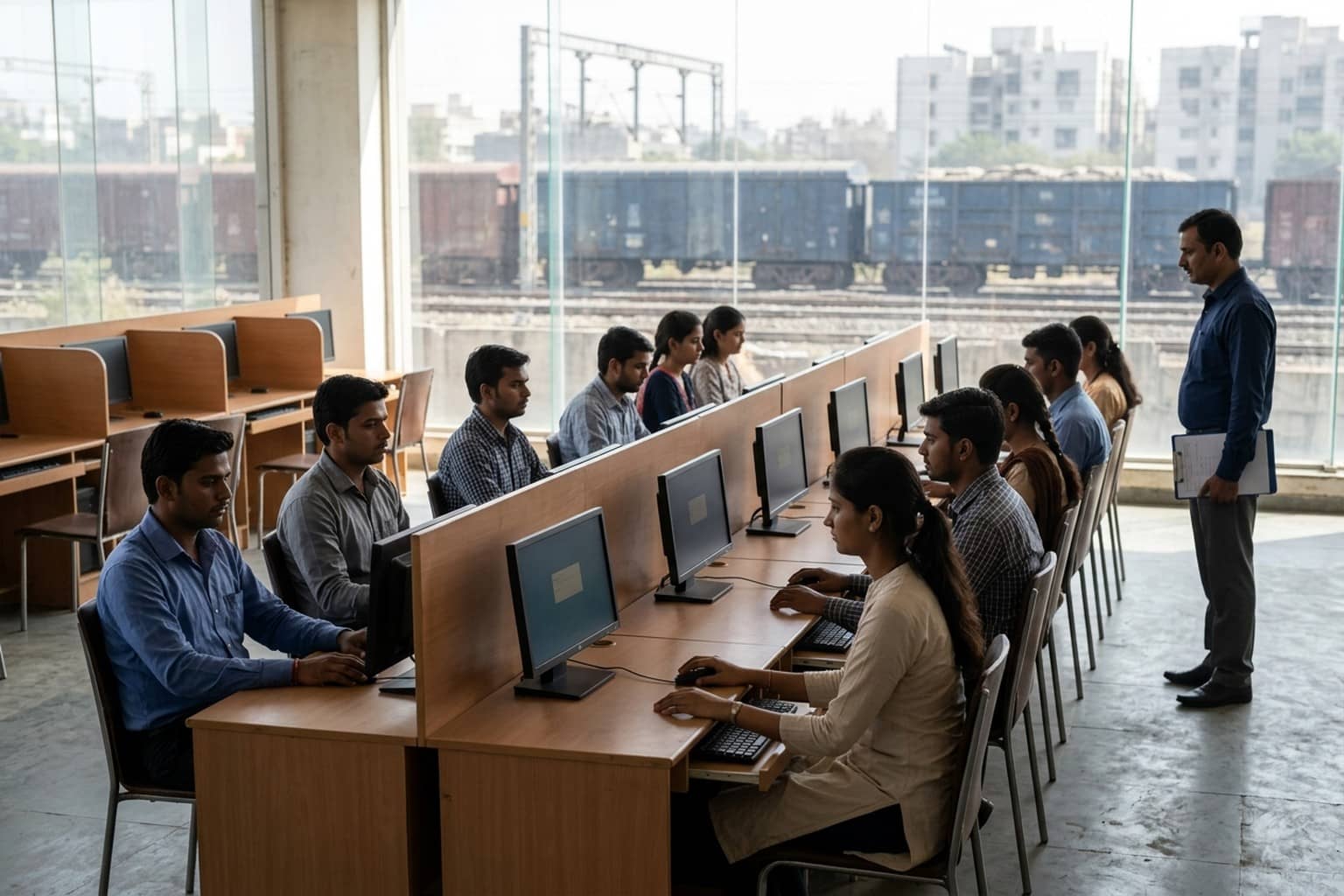
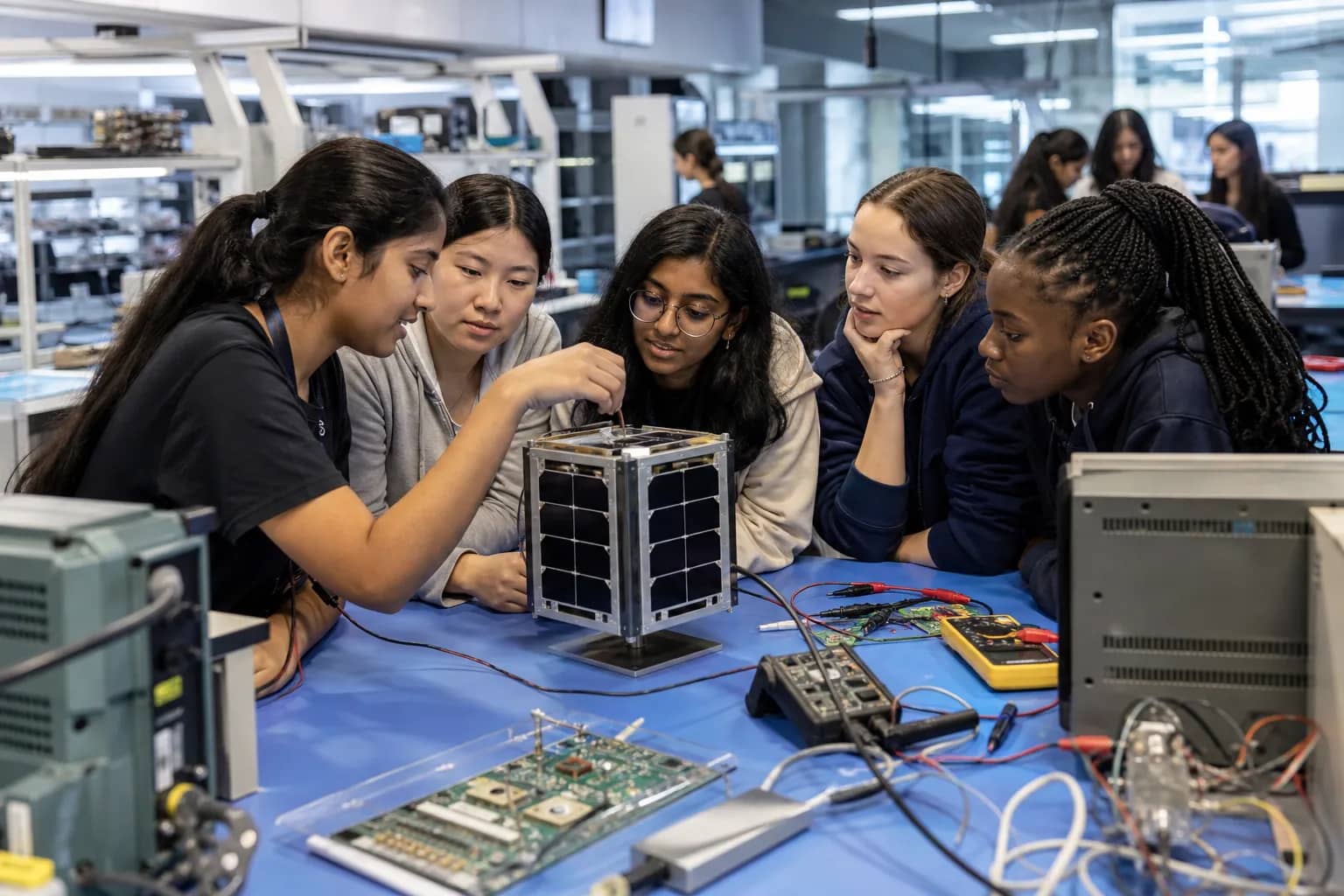
Gautam Buddha University in Greater Noida formally inaugurated the Mission ShakthiSAT programme on August 23 as part of its 19th Foundation Day celebrations. The international space-education programme is scheduled to continue until August 31 and brings together girls from India and an international network spanning 108 countries.
The university is hosting a structured training window rather than announcing a new degree or a general admission round. Participants are expected to receive guidance in space science, satellite technology, payload development, electronics, systems engineering and STEM education. The stated aim is to move beyond introductory talks and help students understand how a satellite progresses from an idea to design, development, testing and eventual deployment.
Space training takes centre stage
Mission ShakthiSAT places practical exposure at the centre of the programme. Satellite projects require teams to connect several disciplines: electronics must work with mechanical design, payload goals must fit within power and weight limits, and every subsystem must be tested before integration. Giving school-age participants a view of that full chain can make space engineering less abstract and show them the range of roles involved in a mission.
The programme also includes plans connected with student-built spacecraft identified as ShakthiSAT-LEO and ShakthiSAT-Moon. These are development plans attached to the wider initiative; the inauguration itself should not be read as confirmation that either spacecraft has completed testing or received a launch date. The immediate activity at GBU is training and technical exposure through the end of August.
For participating students, the useful outcome will be the chance to work across payloads, systems and mission processes instead of studying each topic in isolation. It can also introduce them to the discipline of documenting designs, reviewing failures and working in teams, all of which are central to engineering projects even outside the space sector.
National and international participation
Uttar Pradesh Chief Minister Yogi Adityanath, who is also the university's chancellor, joined the inauguration online as chief guest. In his address, he linked the future of young people with ideas, innovation, entrepreneurship and technology, and urged them to use their knowledge in nation-building.
State Industrial Development Minister Nand Gopal Gupta 'Nandi' attended as guest of honour. Dr Srimathy Kesan, founder of Space Kidz India, and Vinod Kumar, Director at IN-SPACe, were among the space-sector participants at the programme. Wing Commander Rakesh Sharma also joined virtually and encouraged the students to apply their abilities to the future of the planet and humanity.
The international scale is a significant part of the design. Bringing participants from a network spanning 108 countries gives students an opportunity to work across different educational and cultural backgrounds. For a technical programme, that matters because large scientific missions depend on common standards, clear communication and collaboration between people who may not share the same first language or classroom experience.
What the programme means for GBU
Hosting the event gives Gautam Buddha University a role in coordinating an international STEM initiative on its campus. It also places the university's biotechnology, engineering and technology ecosystem alongside specialists involved in space education and regulation. The value of the association will ultimately depend on how much laboratory time, mentoring and follow-through participants receive after the ceremonial opening.
The Foundation Day programme also recognised university faculty members for work in research, patents and book publication during the previous year. That broader academic context is relevant: a campus event of this kind has greater educational value when short-term inspiration is linked with continuing research and mentoring.
From exposure to a longer pathway
Mission ShakthiSAT arrives at a time when Indian students encounter the space sector through school clubs, model satellites, robotics and private space start-ups as well as established national institutions. A short programme cannot replace sustained study in mathematics, physics, computing or engineering, but it can help students see where those subjects meet in a real project.
For the girls taking part, the practical question is what follows the August 31 conclusion. Access to mentors, continued project reviews and opportunities to test components will determine whether the programme becomes a lasting learning pathway. The inauguration has created a visible platform; its strongest measure of success will be the technical work participants are able to carry forward from it.