Free High-Speed Wi-Fi Goes Live at Varanasi Court Complex
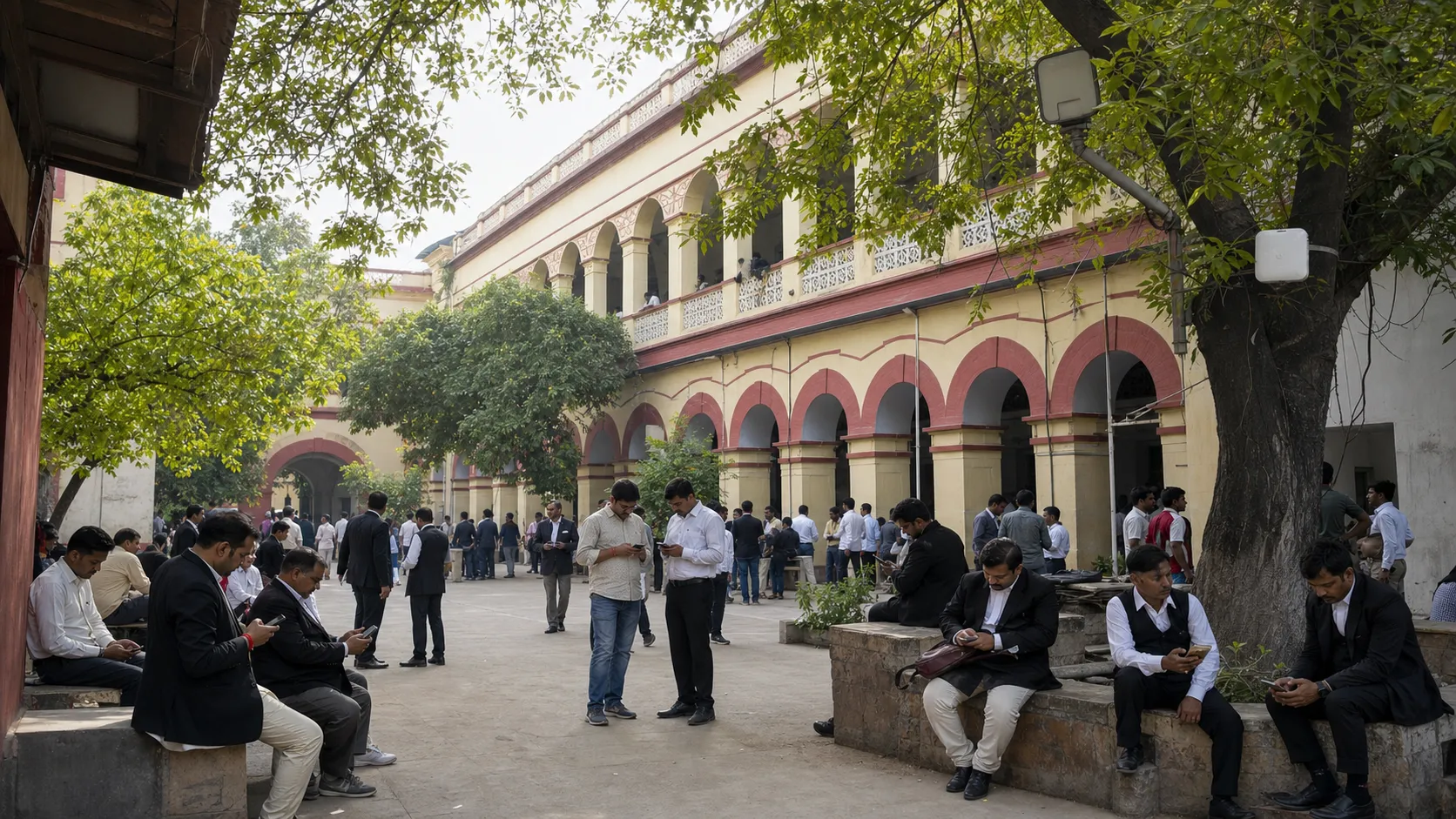
VARANASI: Advocates, litigants and visitors at the Varanasi court complex can now use a free high-speed Wi-Fi service launched by the Municipal Corporation as part of its expanding public-connectivity programme.
Mayor Ashok Kumar Tiwari inaugurated the facility, which is the third phase of the civic initiative. Free Wi-Fi was introduced earlier at Assi Ghat and Dashashwamedh Ghat, followed by BHU Hospital and Trauma Centre. The court complex takes the service to five major high-footfall locations across the city.
Special boards carrying QR codes have been installed inside the Wi-Fi zone. A user can scan the code on a mobile phone and follow the access process instead of searching through a long list of nearby networks. The system has been designed for a space where thousands of people may be waiting, working or moving between offices on a regular day.
BSNL has been given responsibility for operating and maintaining the network. Principal General Manager Anil Kumar Gupta said its speed and coverage were planned to support smooth connectivity and data transfer even when the court complex is crowded.
The location makes reliable internet more than a convenience. Court users frequently need to check case information, receive documents, contact family members or coordinate with a lawyer. Advocates and clerks work with digital files and time-sensitive updates throughout the day. A public network can be especially useful for a visitor whose mobile data is weak or exhausted during a long wait.
Free access must still be paired with sensible digital caution. Public Wi-Fi should not be treated like a private office connection. Users should avoid entering banking passwords or sharing highly sensitive documents on an unfamiliar network, confirm that they are joining the official service displayed on the Municipal Corporation’s board, and log out of important accounts after use. The civic body and BSNL will also need to keep the QR boards readable and prevent misleading lookalike stickers from being placed nearby.
The service will be judged on consistency rather than launch-day speed. Court buildings have thick walls, packed corridors and shifting crowds, all of which can create weak spots. Clear instructions for reporting an outage, regular testing and prompt maintenance will determine whether the connection remains useful after the initial rollout.
Varanasi’s phased approach has placed public Wi-Fi at ghats, medical institutions and now a justice complex—three very different types of crowded urban space. That variety gives the city a chance to understand how demand changes by location before extending the model further.
For the court complex, the immediate promise is modest but practical: a visitor who needs a case update, a digital copy or a quick call over the internet should not be stranded because mobile data fails. If the network stays stable under peak load, it will turn a QR code on a board into a genuinely useful public service.
Related Stories
Jansa Police Probe Night Raid on Three Bhatsar Houses; SHO Says File Reads as Theft

Bhelupur Police Arrest 25-Year-Old, Recover Four Stolen Scooters Behind Sankuldhara Pokhra
Jal Kal Restarts Konia-Line Pumps, Clears Sewer Overflow Around Shivala’s Ratnakar Park
IMD Logs 15 mm Rain at Varanasi; Saturday Forecast Keeps Thunder Spells in Play

District Meet at Vimarsh Urges Varanasi Youth Into VBYLD 2027 Quiz and Six Tracks