BENGALURU: Dheya Engineering Technologies Private Limited, which trades as DheyaTech, publishes a Peenya, Bengaluru address and describes itself as a builder of indigenous micro gas turbines and hydrogen-related turbomachinery on its official site.
The company lists contact@dheyatech.com, CIN U74999KA2017PTC108341, and names ISO 9001:2015 and AS9100D certifications on the homepage. This piece explains what the firm says it builds, for readers following Indian deeptech propulsion names that have not yet had a same-day Dalimss rewrite.
Product platforms on the company site
Under propulsion, DheyaTech lists micro turbojets aimed at unmanned aerial systems in a roughly 200 N to 3,500 N thrust band, with named platforms DET 200, DET 500 and ATAL. Under energy and hydrogen, it lists oil-free, fuel-flexible micro gas turbines and ATEX-oriented compressor hardware, including an H2 anode blower and compressor products.
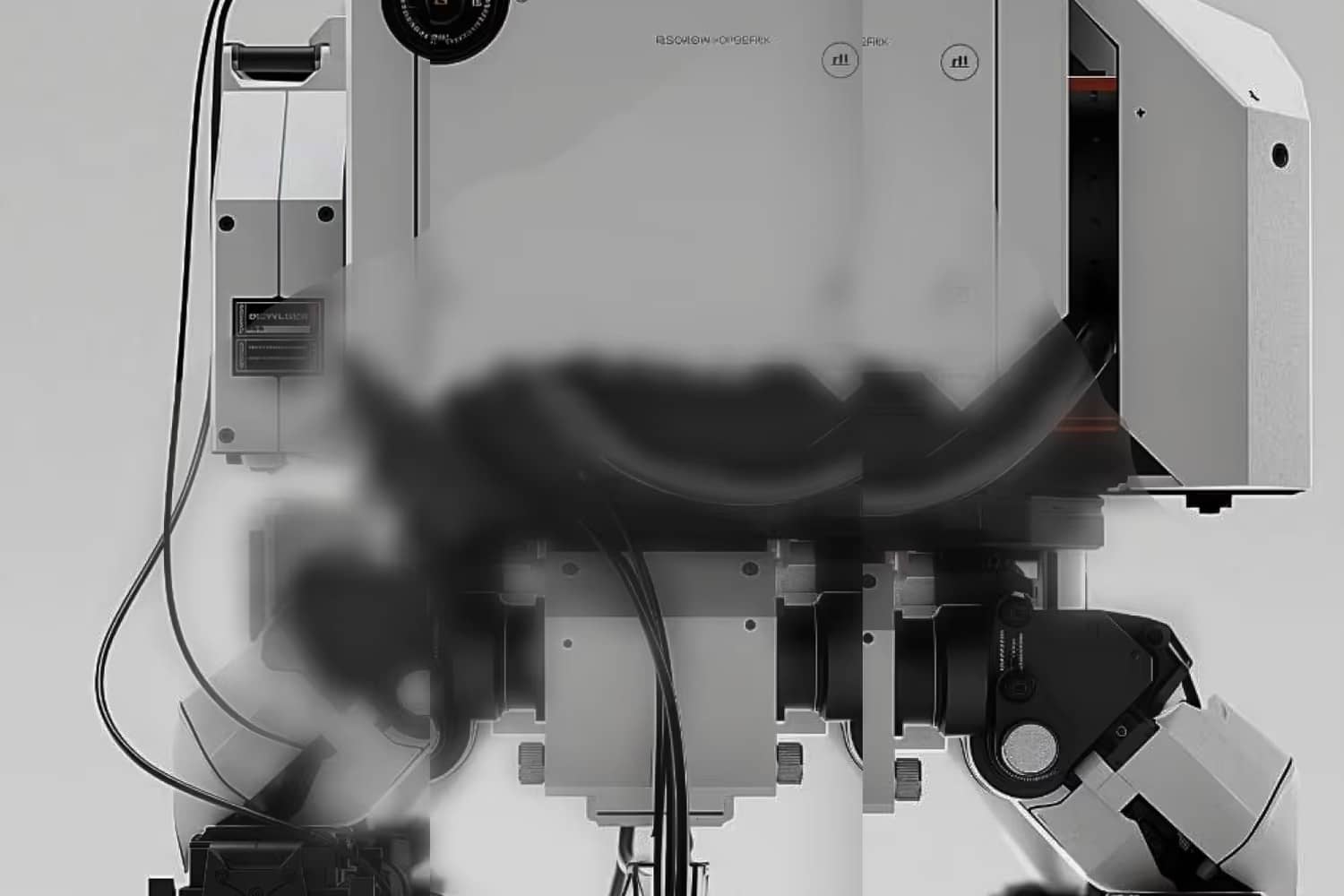
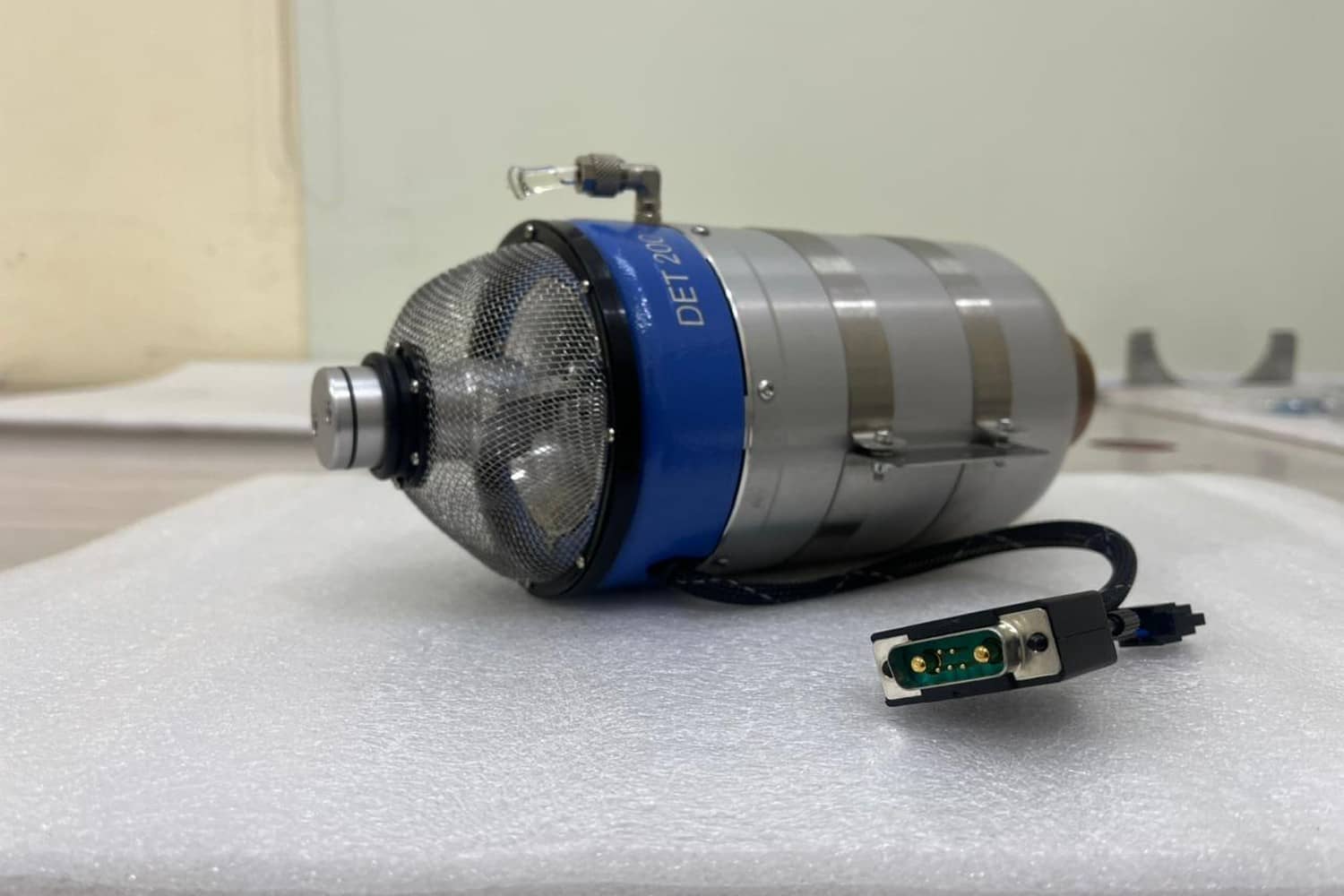
The micro gas turbine page highlights DET 200 as a compact turbojet for autonomous aerial platforms. Product photography on the site shows hardware on the bench; those images are company materials, not third-party test-range stills.
Team, partners and how to read the claims
The about page names founder Gurushankara and describes milestones such as pre-seed support linked to iHUB Divyasampark, a strategic manufacturing partnership with Unimech Aerospace, qualification testing on DET 200 and DET 500, and an anode blower deployed at a customer site. Advisors named include faculty and former propulsion leaders from IISc and NAL as presented by the company.
Readers tracking neighbouring deeptech propulsion and aerospace desks can compare our notes on Hathor Rockets and Skyroot Aerospace. Funding figures that circulate only on secondary sites are left out here when DheyaTech itself does not put a round size on the pages reviewed.
Micro turbojets in the few-hundred-newton class are typical for target drones, loitering munitions research and certain UAV propulsion swaps away from batteries. DheyaTech's public range up to multi-kilonewton thrust suggests it is pitching beyond toy-scale engines into serious unmanned platforms.
Hydrogen-capable combustors and anode blowers point at a second business line: supporting fuel-cell systems and distributed power, including the telecom and data-centre examples named on the site. That dual propulsion-plus-energy story is how the firm presents itself to both aerospace and climate-tech buyers.
AS9100D is an aerospace quality-management standard. It signals process discipline; it is not an engine type certificate. Customers still need acceptance test procedures, vibration data and fuel-specific validation for each integration.
Unimech Aerospace appears on DheyaTech pages as a strategic manufacturing partner. Listed-company disclosures elsewhere have discussed Unimech shareholding in Dheya over time. This article stays with what DheyaTech itself prints, to avoid mixing stock-exchange commentary into a product explainer.
Indian UAV makers short on indigenous turbine options have historically imported small turbojets. If DheyaTech's DET line clears customer qualification, it becomes part of that import-substitution story. Until then, the honest public record is the brochure, the certifications listed, and the Peenya contact points.
Fuel flexibility, including hydrogen-leaning combustor concepts, is central to DheyaTech's climate-facing pitch. Hydrogen supply chains in India remain immature outside pilot corridors, so early customers may still run conventional liquid fuels while hardware stays hydrogen-ready.
Air-foil bearings and magnetic couplings for hazardous gas service are specialist IP claims on the site. They are the sort of details turbomachinery buyers look for when comparing indigenous vendors with European catalogue engines.
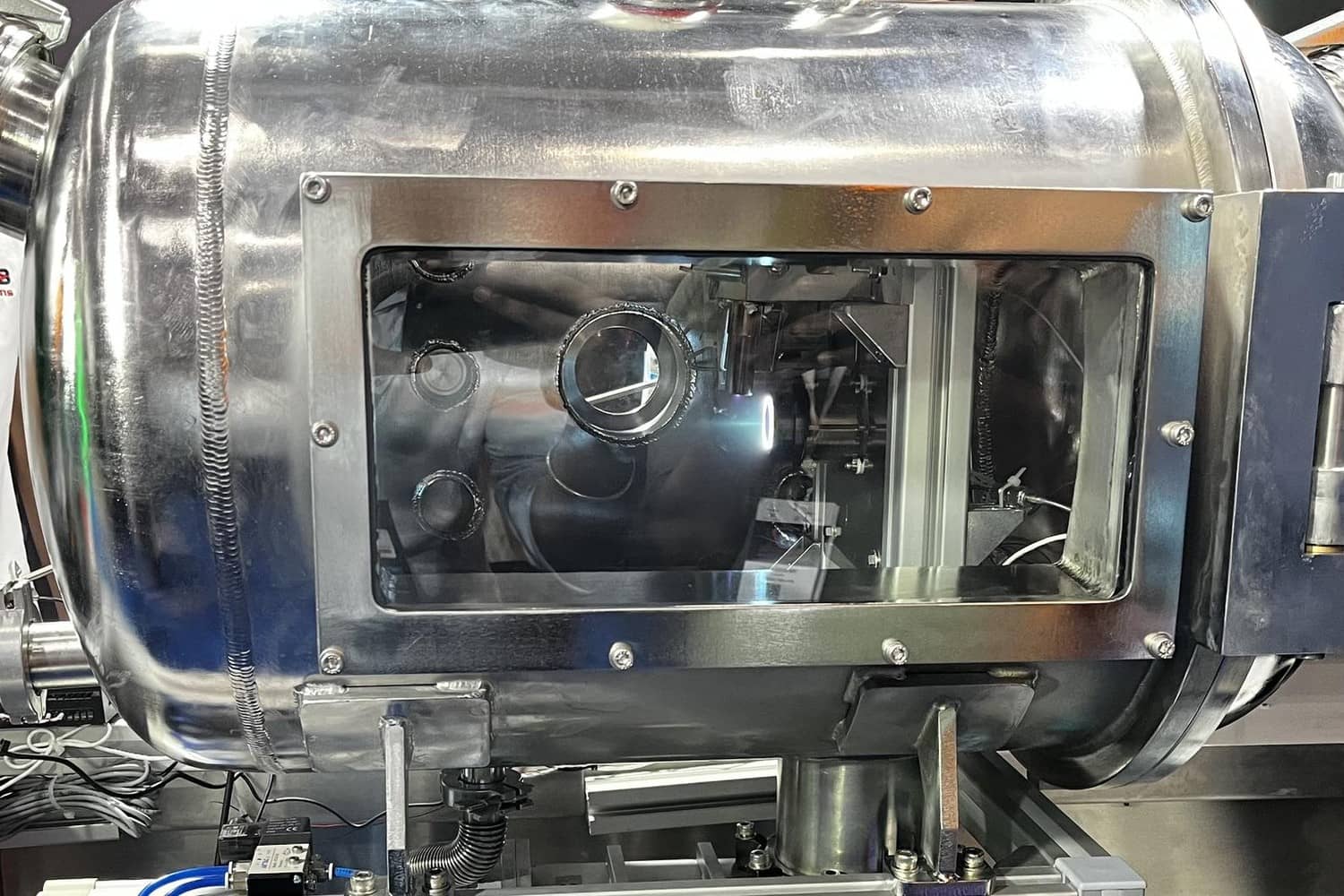
Gallery and product pages show DET hardware and anode blowers in workshop lighting. Those photos are suitable official images for journalism precisely because they show metal, not logo walls.
Shortlisting under Bharat Innovates, as claimed on the about timeline, is a recognition marker. It is not a production order. Readers should keep that distinction clear when startups list challenge badges.
For students and engineers in Bengaluru's Peenya belt, DheyaTech is an example of a deeptech firm selling physical rotating machinery rather than another SaaS wrapper. That alone makes it worth an explainer slot when funding wires are quiet.
What matters for an Indian defence and UAV buyer is whether a thruster is qualified for a specific airframe, altitude band and fuel. DheyaTech's site argues for indigenous compressors, combustors, FPGA-based control and air-foil bearings. Those are engineering claims to verify in a procurement process, not flight hours published as audited statistics on the homepage.
Public queries route to contact@dheyatech.com and the Peenya phone numbers printed on the site footer.