HYDERABAD: Skyroot Aerospace, the Hyderabad company that launched India's first privately built rocket, describes its goal on its About page as making launching into space "as accessible and routine as commercial air travel". The page sets out the company's history, board and policies, and the home page lists its two launch vehicle families, Vikram-I and Vikram-II. This explainer uses only those official pages.
Who founded it and what it does
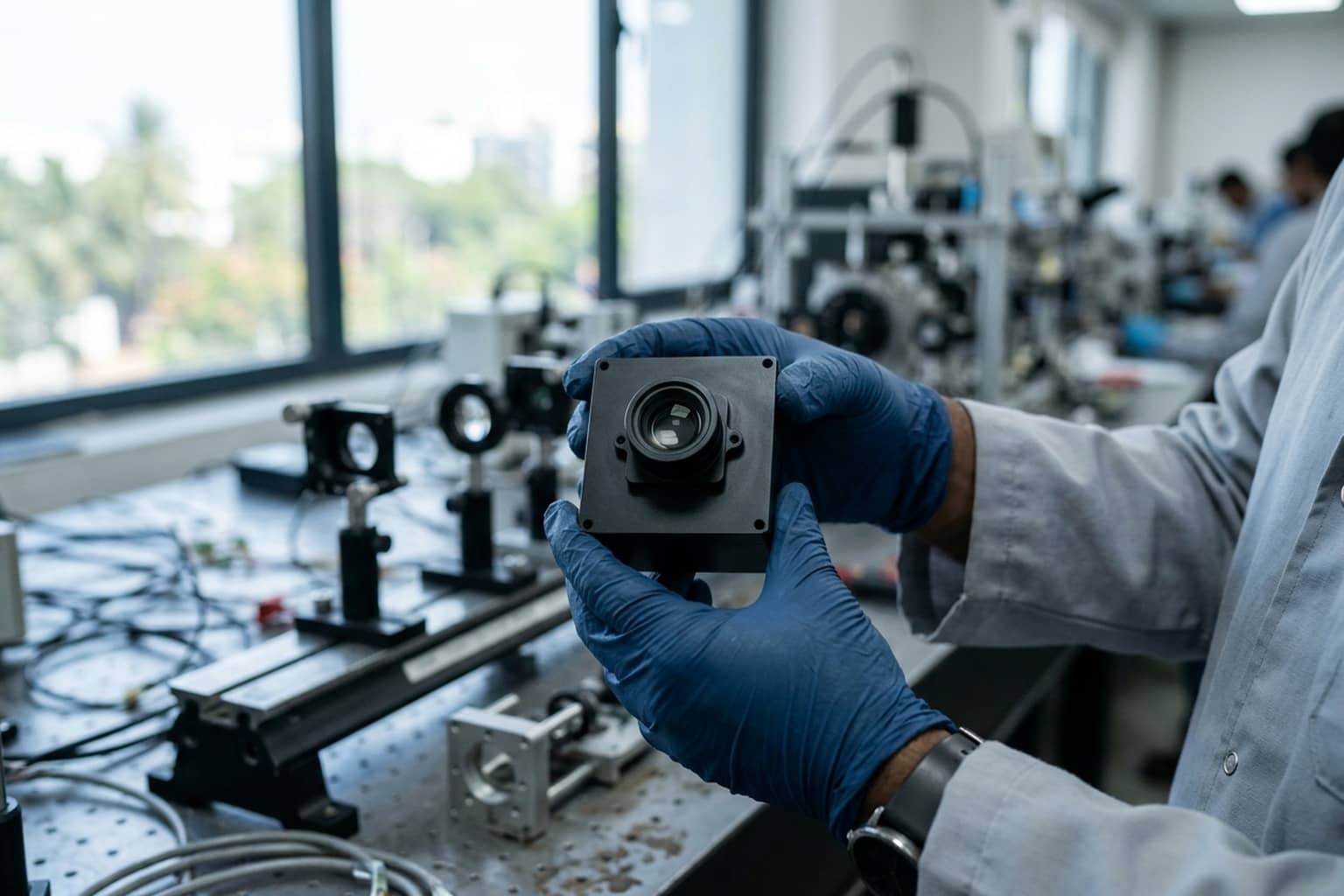
Skyroot says it was founded in 2018 by space scientists turned entrepreneurs Pawan Kumar Chandana and Naga Bharath Daka, who are now chief executive and chief operating officer. The company says it has a team of more than 1,000 experts and builds launch vehicles in Hyderabad, Telangana, from a headquarters it calls Max-Q.
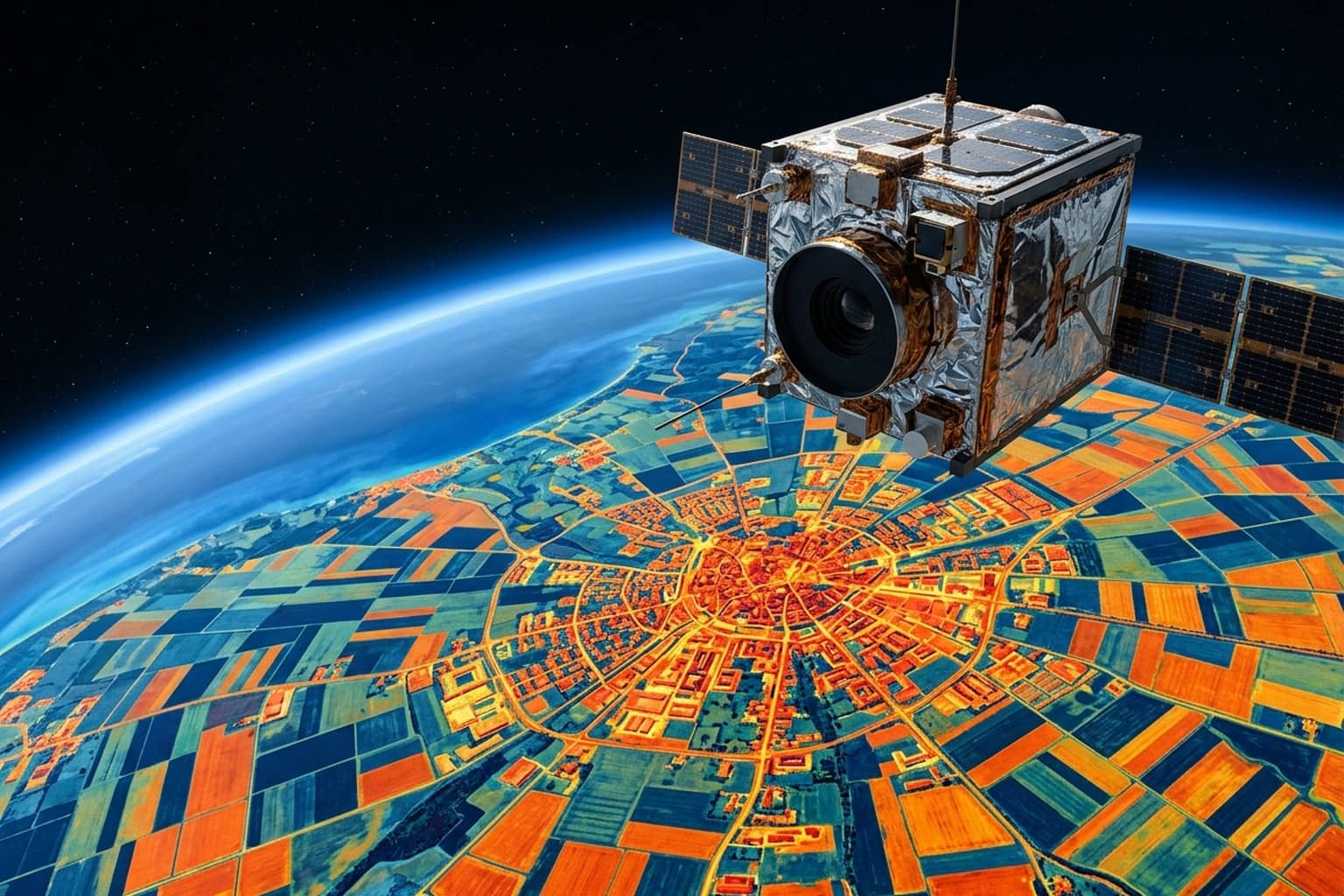
The business model is on-demand launch for small satellites. The home page describes dedicated and rideshare launches with custom orbital deployment, so a customer can book a whole vehicle or share one. The website says Vikram-I has an all-carbon-composite structure, solid fuel boosters and a 3D-printed liquid engine, while Vikram-II is powered by a cryogenic engine and is meant to offer greater payload capacity and multi-orbit agility.
The milestones Skyroot lists
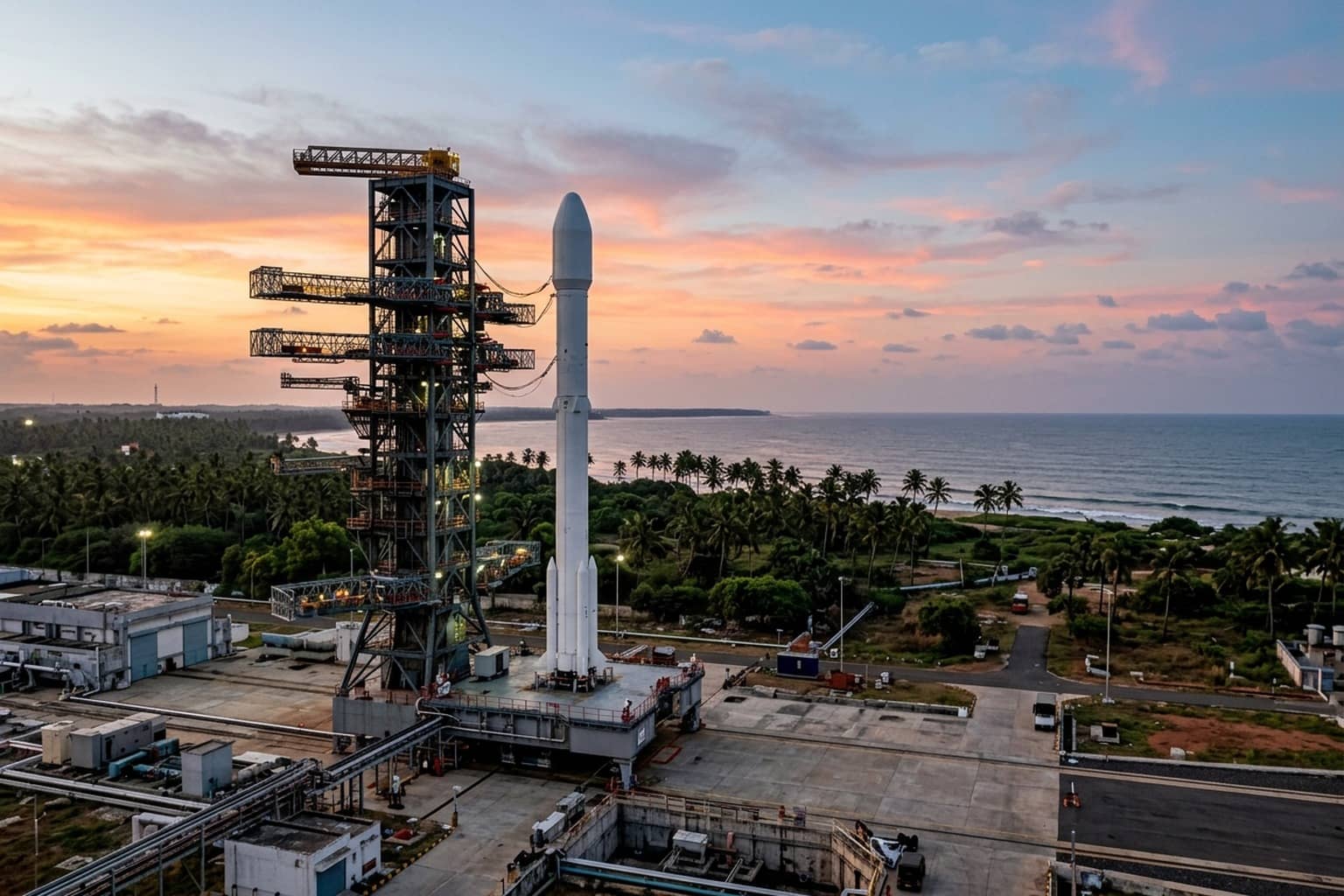
The About page gives a year-by-year journey. It says the office was established in Hyderabad in 2018. In 2020 it achieved what it calls India's first static fire test of a privately built rocket engine, Raman-1. In 2021 it test fired India's first privately built cryogenic engine, Dhawan-1. In 2022 Mission Prarambh launched Vikram-S, which the company describes as India's first private rocket. The Vikram-S mission flew from Sriharikota as a suborbital rocket made of carbon composite.
In 2023 the company opened its headquarters, and in 2024 it static fired Kalam-250, which it calls India's then largest private rocket stage. In 2025 it says it validated the pneumatic separation mechanism of the payload fairing of Vikram-I. The home page labels Vikram-I with the words "launched in 2026" and Vikram-II with "launching 2027". The sections reviewed do not give a mission date, a launch site or an outcome for Vikram-I, so Dalimss News has not confirmed its flight status, and readers should check the company's announcements for specifics.
Funding, quality and governance
On funding, the About page says Skyroot has raised USD 160 million to date at a valuation of USD 1.1 billion from investors such as GIC and Temasek. Those figures are the company's own. The board listed on the page includes the two co-founders alongside Mukesh Bansal, Mayank Rawat of GIC India and Anil Kumar Chalamalasetty.
The company says it is ISO 9001 and AS9100D certified, the latter being a quality standard used in aerospace. It also publishes a whistleblower policy that promises confidentiality and protection from retaliation, a CSR policy, and annual returns for the financial years 2022 and 2023.
The company also says it is recruiting across engineering, operations and business functions, and describes its team as combining deep space-tech expertise with startup agility. Customers are invited to start a conversation through the website.
For anyone following India's private space sector, the main takeaway is the shift from test firings to commercial launch vehicles. The company's statements here are its own, and no independent performance data was reviewed for this report.