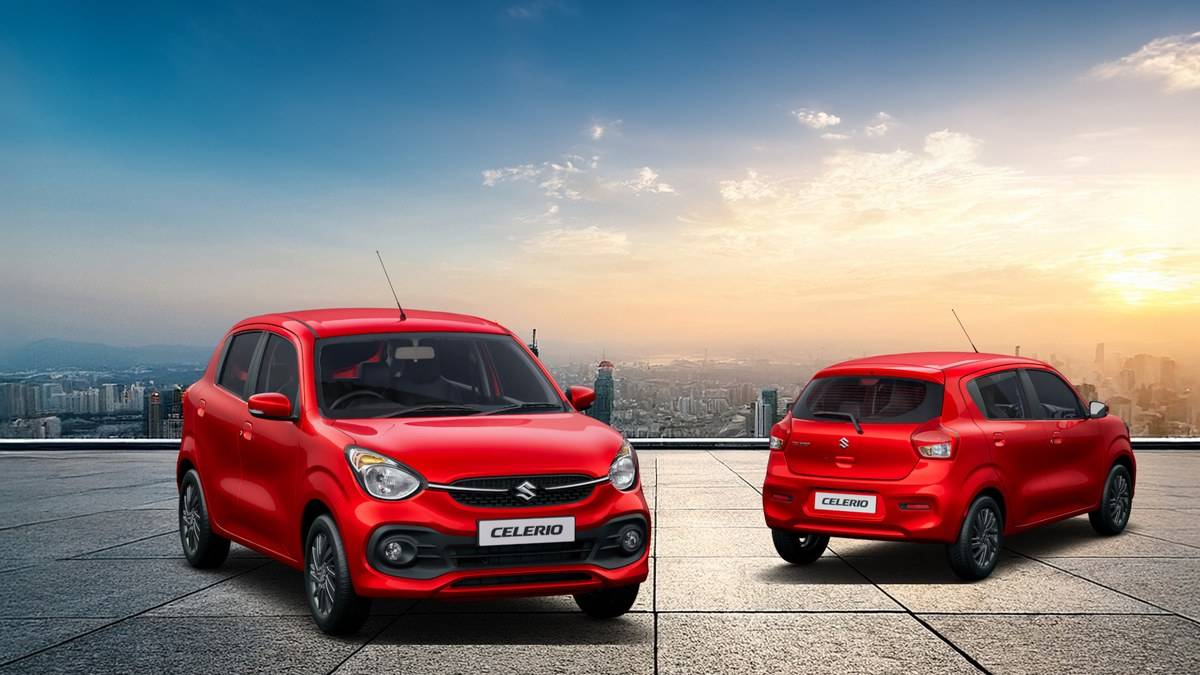
NEW DELHI: Maruti Suzuki quotes a 292-litre boot for the petrol Celerio, while its brochure marks a 60:40 split rear seat from VXi upwards. LXi is excluded from that split-seat feature in the published matrix. For a household carrying passengers and occasional bulky luggage, the boot figure and the seat-folding specification need to be checked separately.
| Celerio luggage reference | Published detail |
|---|---|
| Petrol luggage capacity | 292 litres |
| Rear seat split | 60:40, VXi upwards in brochure |
| LXi split rear seat | Not listed as fitted |
| Rear parcel shelf | VXi upwards in brochure |
| Overall length | 3,695 mm |
| Wheelbase | 2,435 mm |
| Seating capacity | 5 people |
Separate boot volume from seat flexibility
The 292-litre figure describes luggage capacity; the 60:40 description identifies how the rear seat is divided. They are not competing ways of measuring the same thing. A household may need the ordinary boot on a weekday and a folded rear section for an occasional longer object. Its ability to use the latter arrangement depends on the equipment of the chosen variant.
The current overview presents the split seat among Celerio cabin features, with a warning that equipment can vary by version. The detailed brochure resolves that broad statement: LXi MT is marked without the split rear seat, while VXi, ZXi and ZXi+ entries have it. That is a more useful distinction than assuming every Celerio shown in a cabin photograph has an identical rear-seat arrangement.
The brochure also distinguishes the parcel shelf, which is absent from LXi and present in the higher entries. A parcel shelf and a split backrest are separate pieces of equipment, even where their variant availability follows the same pattern. Inspect both rather than using the presence of one as evidence for the other.
Keep the 292-litre claim with the petrol car
The brochure places 292 litres in the petrol luggage-capacity column and leaves the CNG column without a corresponding figure. The current price-page comparison likewise shows 292 litres for its displayed petrol ZXi manual and AGS versions. This article therefore does not assign the petrol boot figure to the factory CNG car or estimate how much space its cylinder leaves.
That restraint matters when comparing photographs. A boot can look generous with small bags and much less accommodating with a rigid suitcase. Before judging the Celerio for regular trips, bring the actual luggage if possible. Check whether it passes through the opening, rests without forcing the tailgate and can be removed without disturbing every other item.
No official suitcase count or stroller-fit guarantee is given in the material used here. A claim that the boot holds a particular number of travel cases would need their dimensions and a packing demonstration. The published litre figure is a useful reference, but it cannot replace that physical check.
Plan around the passengers who remain seated
A split backrest lets the luggage arrangement change without necessarily folding the entire rear seat. For a family assessing the Celerio, the practical question is which section needs to stay upright for the intended passengers. Demonstrate that arrangement in the actual variant before deciding that a bulky item and the normal travelling group can share the cabin.
The published seating capacity is five. That is the normal passenger specification, not permission to occupy a folded position or to put someone beside unsecured luggage. When inspecting a possible load arrangement, identify the usable seat, its belt and the space around the passenger. Follow the vehicle handbook for operating and securing the seat.
Maruti lists integrated front and rear headrests in the brochure. It also shows a passenger-side front seat-back pocket and bottle holders across the listed versions. Those small-item locations can help keep everyday objects organised while the boot carries bags, but they should not be treated as substitutes for the main luggage compartment.
The useful variant differences are practical
The brochure adds a rear wiper and washer, plus a rear defogger, on ZXi and ZXi+ entries, including their AGS versions. These do not increase luggage capacity. They belong on a family-use checklist because rearward visibility and the ability to use the boot are both part of living with a hatchback, especially when it carries people as well as bags.
The Celerio measures 3,695 mm long, with a 2,435 mm wheelbase on the current official comparison. Neither measurement is the boot-floor length. Do not subtract one from the other to invent a luggage dimension: the engine bay, passenger compartment, body structure and overhangs make that arithmetic unsuitable for working out what fits behind the rear seat.
For this model, the meaningful showroom comparison is therefore LXi cabin equipment against the split-seat versions, followed by a test with the household luggage. A bigger feature list does not answer a specific packing problem until the required seats and bags have been arranged together.
Related coverage includes the Celerio variant price guide, our Celerio CNG capacity and mileage explainer and the WagonR and Celerio price comparison.
Official sources: Celerio overview, current specification comparison and variant equipment and luggage-capacity brochure.