NEW DELHI: The Mahindra Bolero Neo's Multi-Terrain Technology, or MTT, is listed only on N10 (O) in the official five-variant brochure. N11 appears farther along the equipment table but does not receive MTT. For anyone checking the SUV for mixed paved and loose-surface use, that distinction deserves attention before upholstery, wheel design or the position of a variant in the range.
| Variant | MTT in official matrix | Wheel description |
|---|---|---|
| N4 | No | R15 steel |
| N8 | No | R15 Versa |
| N10 | No | R15 silver alloy |
| N10 (O) | Yes | R15 silver alloy |
| N11 | No | R16 dark metallic grey alloy |
Read the traction row separately
Mahindra describes MTT as distributing torque to help maintain traction, alongside rear-wheel drive. That makes it a drivetrain consideration rather than a cabin upgrade. A shopper who starts at the most extensively trimmed version and assumes it contains every feature elsewhere in the range could miss the relevant choice. The table calls for comparing columns horizontally, feature by feature.
This is particularly useful when a household's weekly travel includes both a surfaced commute and an approach road to a farm or village home. The question to settle is which equipment the booked vehicle contains. A description of the Bolero Neo range as a whole cannot answer that. Ask for the precise variant designation on the quotation and match it with the MTT row before accepting a substitute vehicle.
What the engine figures do tell you
The owner's manual identifies a 1,493 cc diesel with a five-speed manual gearbox. It gives Power-mode output as 73.5 kW and torque as 260 Nm, with separate Economy-mode figures of 52.0 kW and 193 Nm. These describe the engine's operating settings. They do not establish that a particular variant carries MTT, which remains a separate equipment entry.
That distinction matters when discussing a test drive. An engine response demonstration answers a different question from a traction-system explanation. If the demonstration vehicle has a different badge from the intended purchase, record that difference. A convincing drive in one configuration should not become an assumption about the mechanical equipment of another. Compare the documented configuration first and treat impressions as supplementary evidence.
The manual's figures also need to be read with their conditions. Peak output and peak torque are specifications, rather than a promise of a particular overtaking time or fuel saving. Nothing in the opened material establishes a numerical economy benefit from MTT. An equipment decision can therefore rest on the listed hardware and intended route without adding an unsupported mileage claim.
N11 changes the cabin and wheel package
The brochure pairs N11 with Lunar Grey leatherette, while N10 (O) has Mocha Brown leatherette. These are tangible differences a family can assess in a parked vehicle: the appearance of the seats, ease of finding a comfortable position and preference for the interior colour. They explain why someone may prefer N11 even though the MTT row points elsewhere.
For a fair comparison, build a short list with separate headings for traction equipment, wheel specification and cabin preference. Avoid a single score called features. That shorthand tends to treat unrelated additions as interchangeable. A different interior finish cannot supply a drivetrain function, just as a traction aid cannot resolve whether the seat material suits the people who will use it.
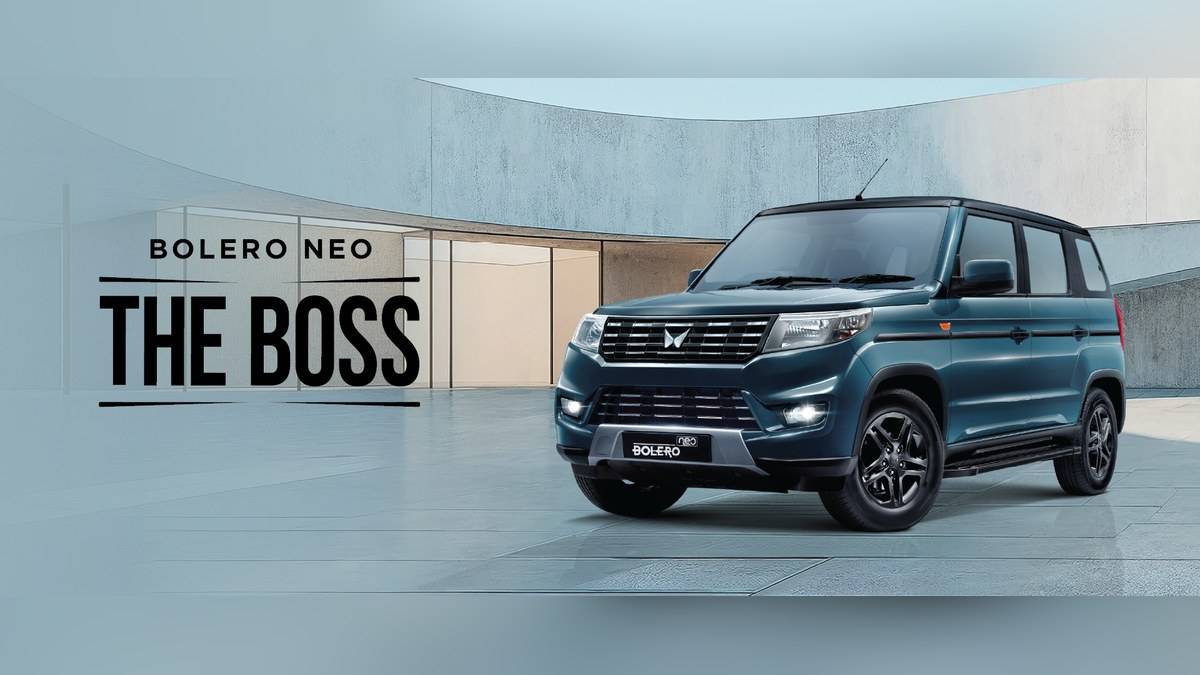
Take particular care if a seller uses a photograph to describe the chosen variant. A promotional image may show a wheel or cabin treatment from another column. The relevant evidence is the named configuration on the order and the feature matrix, followed by checking the delivered vehicle. This is a useful way to keep a discussion concrete without relying on the broad language of an advertisement.
The brochure also shows a rear-view camera on N10, N10 (O) and N11. That shared convenience feature provides a useful comparison point: it can remain on the shortlist independently of MTT, allowing the family to assess parking visibility without confusing it with traction equipment.
Keep the ownership questions separate
For the wider range, see our Bolero Neo price coverage. The Bolero Neo and Bolero comparison addresses a different model choice, while our Bolero Neo+ engine-mode guide concerns the separate Neo+ model. Those subjects should remain separate from whether MTT is fitted.
The practical takeaway from this matrix is to preserve the full N10 (O) designation whenever MTT is part of the requirement. Before completing paperwork, compare the variant name, drivetrain feature and wheel entry together. That gives the owner a clear record of the intended configuration and prevents a cosmetic preference from quietly changing the mechanical specification being discussed.
Official sources: Bolero Neo brochure and Bolero Neo owner's manual.