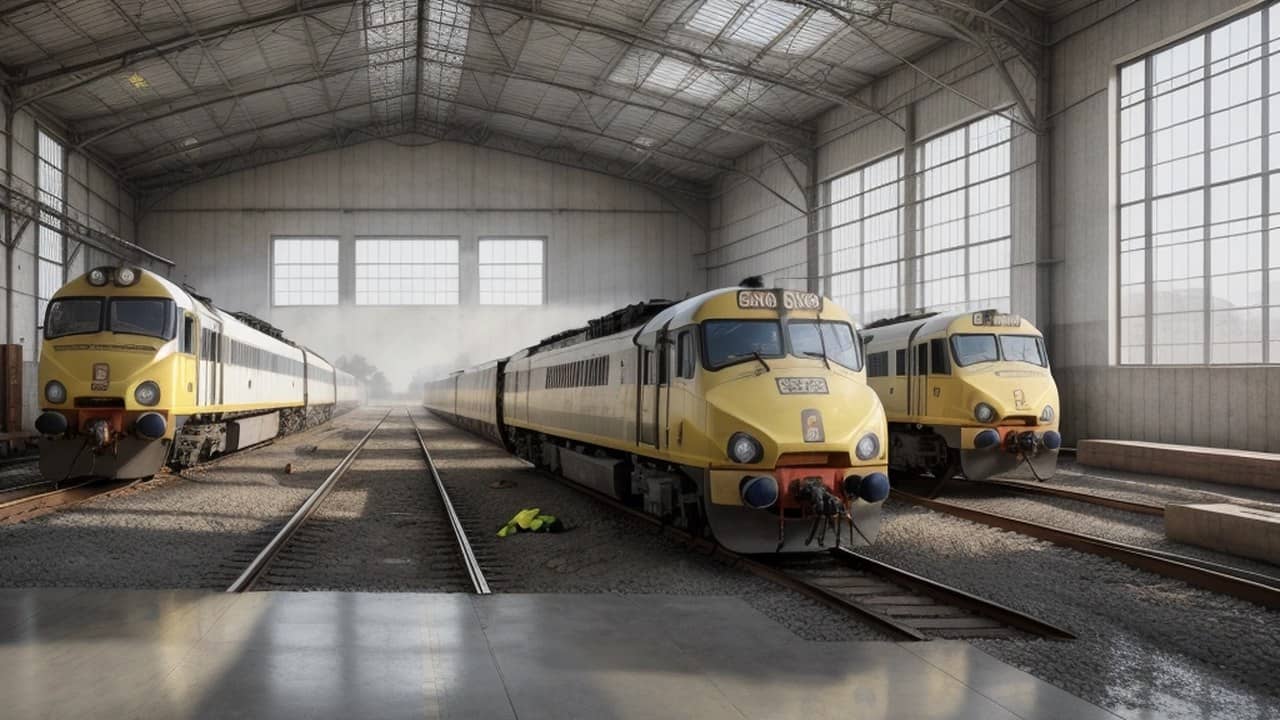
Additional Member (Traction) of the Railway Board, Somesh Kumar, visited Banaras Locomotive Works on Saturday and inspected core production units including the Loco Frame Shop, Loco Assembly Shop and Loco Test Shops, BLW officials said after the visit.
Kumar reviewed advanced technologies, production processes, quality standards and safety measures used in locomotive manufacturing. He also inspected the cab of the Amrit Bharat locomotive and received a briefing on manufacturing stages, technical capabilities and production procedures for that platform.
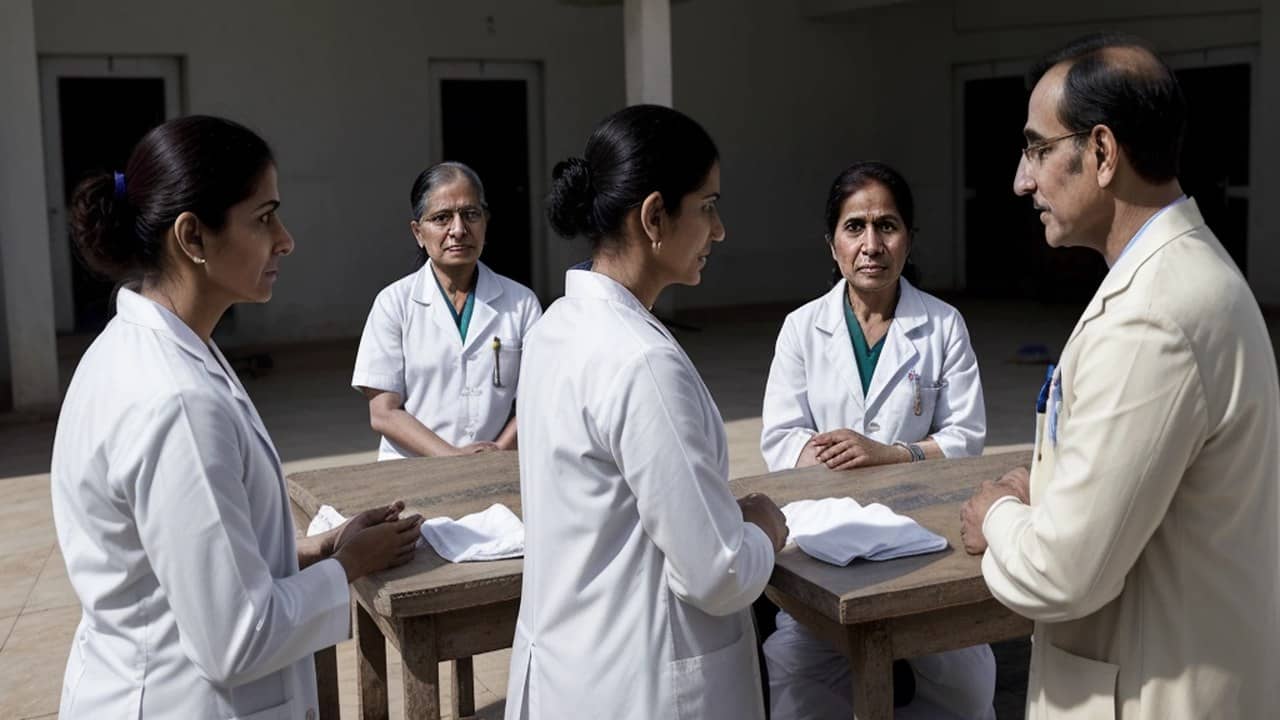
Discussions with BLW officers covered technical practice on the shop floor. Later, a review meeting at the administrative building examined production activity, technological upgrades, manufacturing processes, quality benchmarks and departmental functioning. Engineers presented departmental work, achievements and technical progress.
Senior officers present included Principal Chief Materials Manager Alok Agrawal, Principal Financial Adviser Muktesh Mittal, Lalji Chaudhary and other officials. The visit sits inside BLW's wider role as a major locomotive builder for Indian Railways, with Varanasi's industrial belt relying on the plant for skilled employment and vendor work.
For the city, a Railway Board traction inspection is not a festival headline, yet it matters to the thousands linked to BLW's shops and supply chain. Quality and safety reviews at frame, assembly and test stages decide how quickly new locomotives clear for service and how local ancillary units plan their own orders.
Amrit Bharat trains have become a public face of railway modernisation. Seeing a Board-level traction officer walk the cab manufacturing line signals that Varanasi's plant remains on the national production map, not only on heritage posters. Workers on those lines measure such visits by whether guidelines translate into clearer process instructions the following week.
Readers who track railway industry news in the region will recall other BLW-linked stories in the Dalimss archive, including tax and contractor compliance reporting from the wider railway contractor ecosystem such as earlier GST scrutiny around a BLW-area contractor firm. Saturday's inspection was operational rather than enforcement-led, focused on production and technology.
Varanasi's passenger railway story runs on a parallel track. Station-side connectivity experiments, including electric bus links toward the campus and temple side reported in prior local transport coverage, depend on a reliable locomotive fleet elsewhere on the network. BLW's output feeds that reliability even when the plant itself sits across town from Cantt's circulating area.
What Kumar's guidelines contained in detail was not published line by line. The public takeaway from the official account is narrower: frame, assembly and test shops were walked, the Amrit Bharat cab was examined, and a formal review meeting recorded departmental presentations. That is enough to mark Saturday as an active oversight day at the plant.
Local engineering institutes often treat BLW as a living classroom. When Board members inspect test shops, student tours and apprentice rotations tend to tighten around the same quality vocabulary: tolerances, safety interlocks, documentation. The city gains when that vocabulary stays current.
Next steps sit inside the railway hierarchy. BLW management will be expected to fold any fresh guidelines into standing instructions. Vendors may see revised inspection checklists. For residents near the plant, the visible change, if any, will be quieter: fewer emergency stoppages, steadier shift rosters, continued orders.
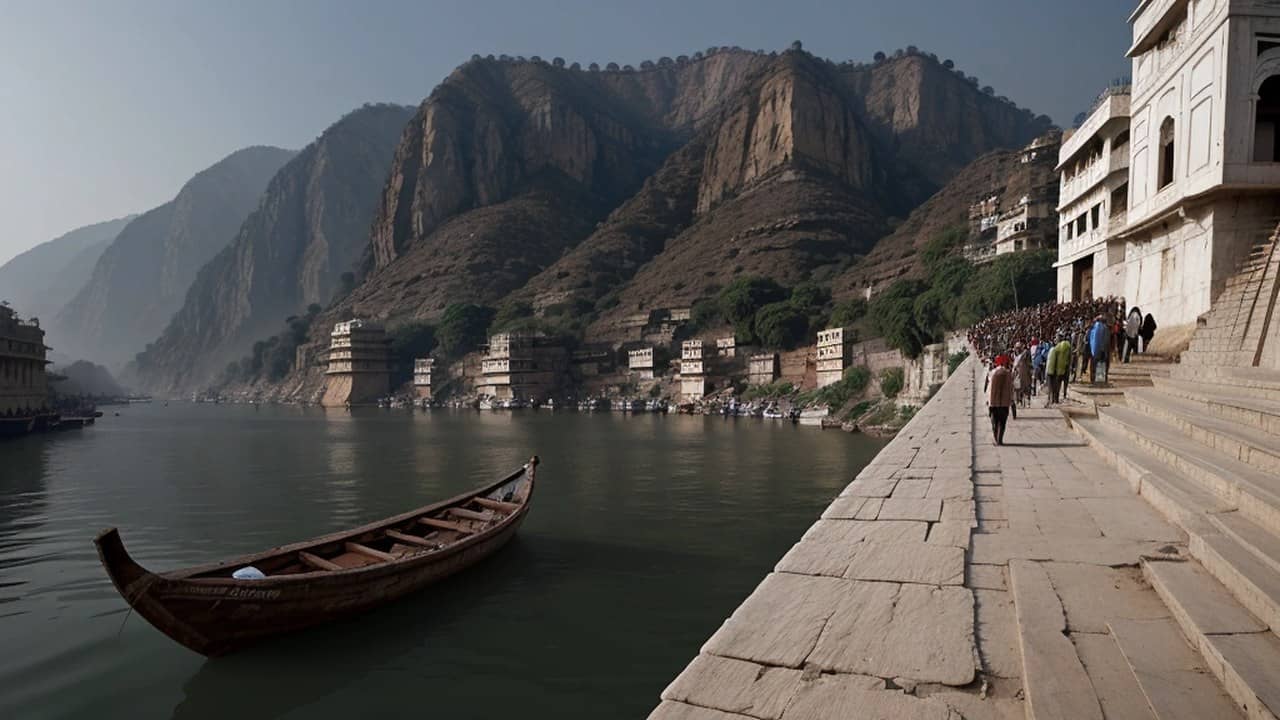
Banaras sells its ghats to the world. It also builds locomotives. Saturday's traction visit was a reminder of that second identity, recorded in shops where steel frames become engines long before they haul Express trains past the city's own platforms.
Vendor colonies around the plant will watch whether fresh Board guidance changes inspection queues at the gates. Apprentices will watch whether test-shop briefings mention new documentation rules. The city outside those gates will notice only if locomotive dispatch rhythm stays steady. Saturday's visit was a line in that longer industrial story, written in hard hats rather than headlines.
Residents following the story should stick to named officials and dated briefings rather than forwarded rumours, and check dalimss.news for verified updates from the Varanasi desk as facts develop through the week. Railway passenger-side stories from the same city belt, including the Banaras–Prayagraj Rambagh MEMU pair clearance, sit downstream of the locomotives these shops build.
Practical takeaway for readers: note the date, the place, and the office that spoke on record, then decide travel or household plans only after those points are clear.