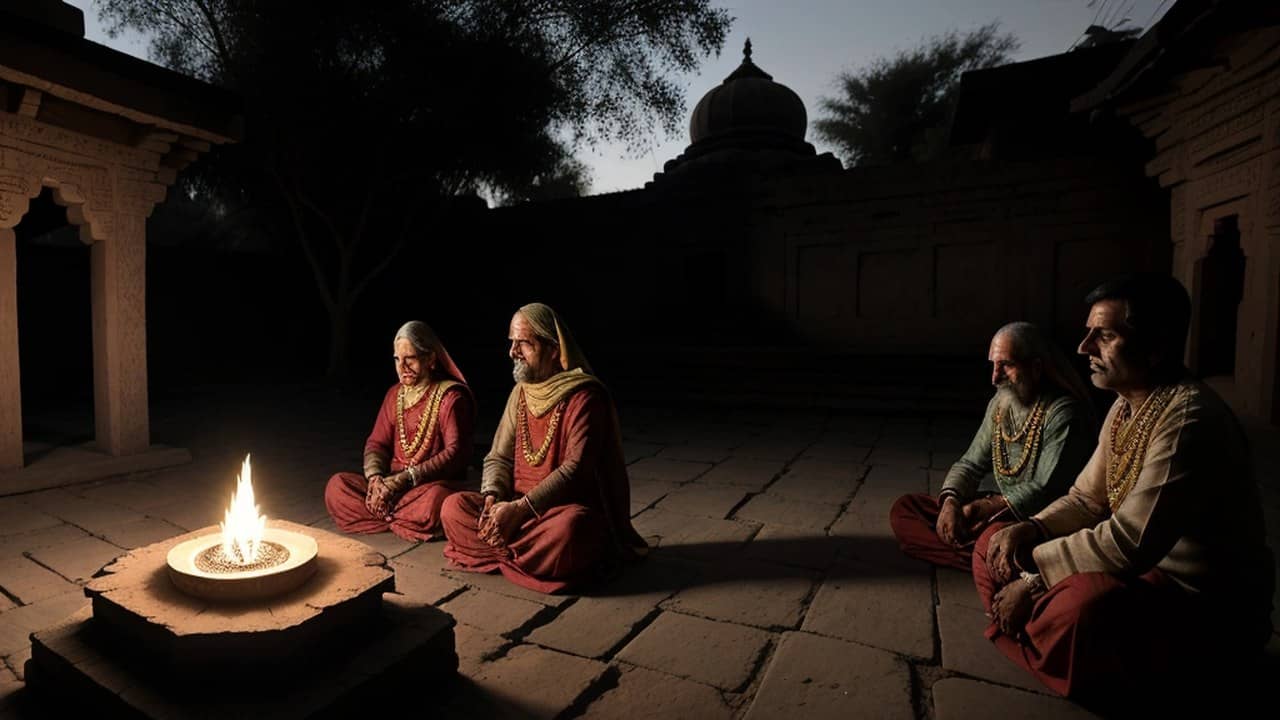
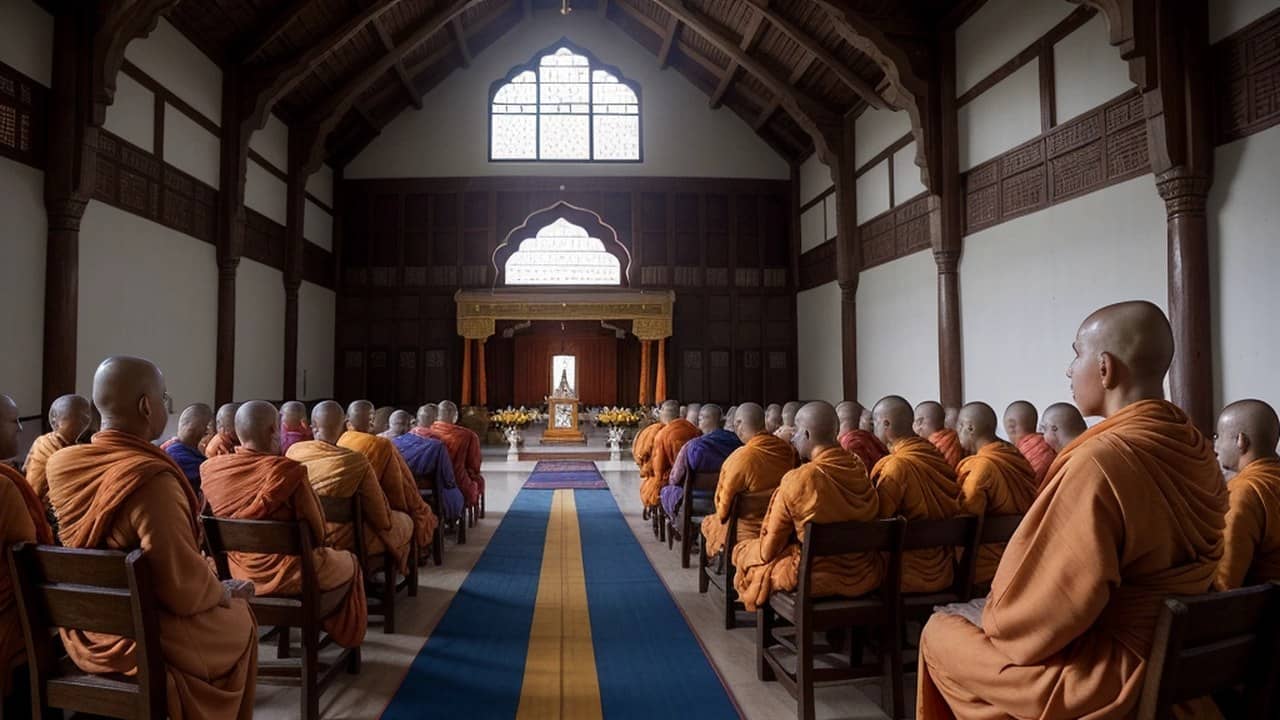
The Ananda Marga dharma mahasammelan on Shivatattva at Chaukaghat Cultural Complex, running from 2 to 4 October, was due to close on Sunday with a procession carrying a message of world brotherhood and ethical living, the organising committee had announced before the meet.
More than five hundred Ananda Marga monks and scholars from India and overseas countries including Australia, the United States, Iceland, Austria and the Philippines were expected, with about a thousand more joining online. Organisers said the Kashi gathering was being held after a gap of thirty-eight years.
Inauguration on 2 October was listed for 3 pm with Sampurnanand Sanskrit University vice-chancellor Prof. Biharilal Sharma as chief guest and Acharya Vandanand Avadhut in the chair. Former district judge Dr Chandrabhal 'Sukumar' was named a special guest. Committee voices in the pre-event briefing included Acharya Animeshanand Avadhut, Acharya Arpitanand Avadhut, Acharya Dayashikharanand Avadhut and Amarnath Seth.
Daily programming was described as including Baba Nam Kevalam kirtan and evening cultural sessions across all three days. The thematic aim, organisers said, was to place what they call the real form of Lord Shiva in public understanding against what they view as imaginary or wrongly associated traditions in some documents and popular telling.
That theological argument is the organisers' own framing. Dalimss News reports it as a stated objective of the meet, not as an adjudicated religious verdict. Kashi hosts many Shiva discourses each year; this one is distinctive for its international monastic turnout and the long gap since the last Ananda Marga mahasammelan here.
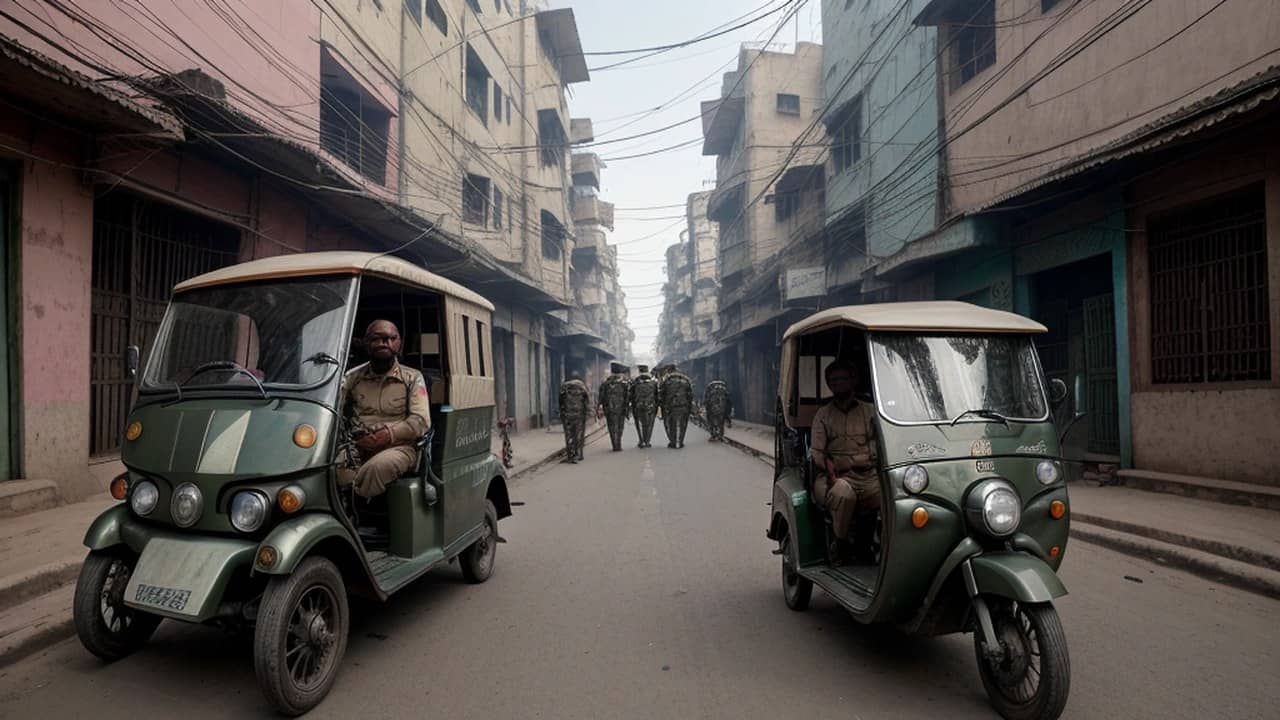
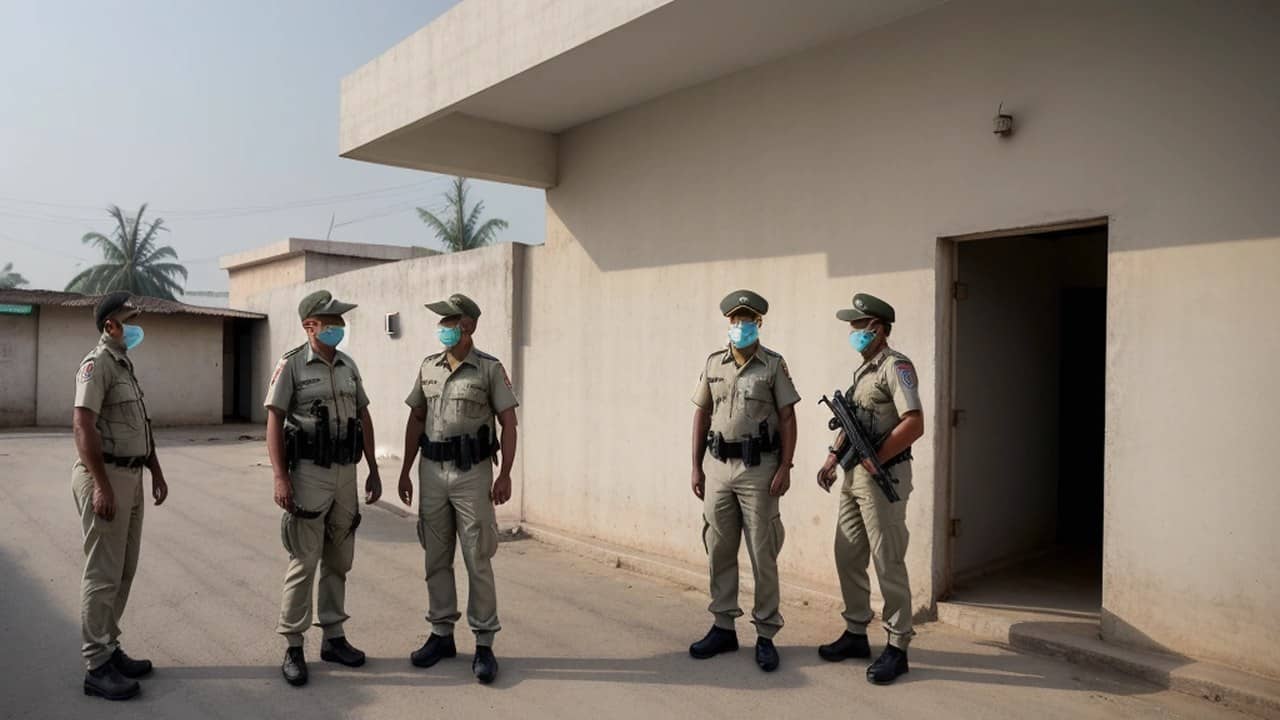
Chaukaghat's cultural complex gives the event a formal indoor hall rather than a ghat-side open gathering. Neighbourhood traffic around the complex can thicken when processions form. Residents along the Sunday route should expect slow patches when the closing march begins, and follow police directions if barricades appear.
City festival density is already high with Ramlila nights and rural vows such as Jiutiya. Ananda Marga's three-day indoor meet adds a different register: seminar speech, kirtan, and a closing street message about brotherhood. Readers interested in comparative religious calendars can set it beside Ramnagar's continuing Ramlila nights without confusing the two.
Overseas participants and online audiences matter to the organisers' claim of a global conversation on Shivatattva. Local journalists were briefed before the opening; detailed session transcripts were not part of the public handout available to this desk. Treat quoted aims as committee language.
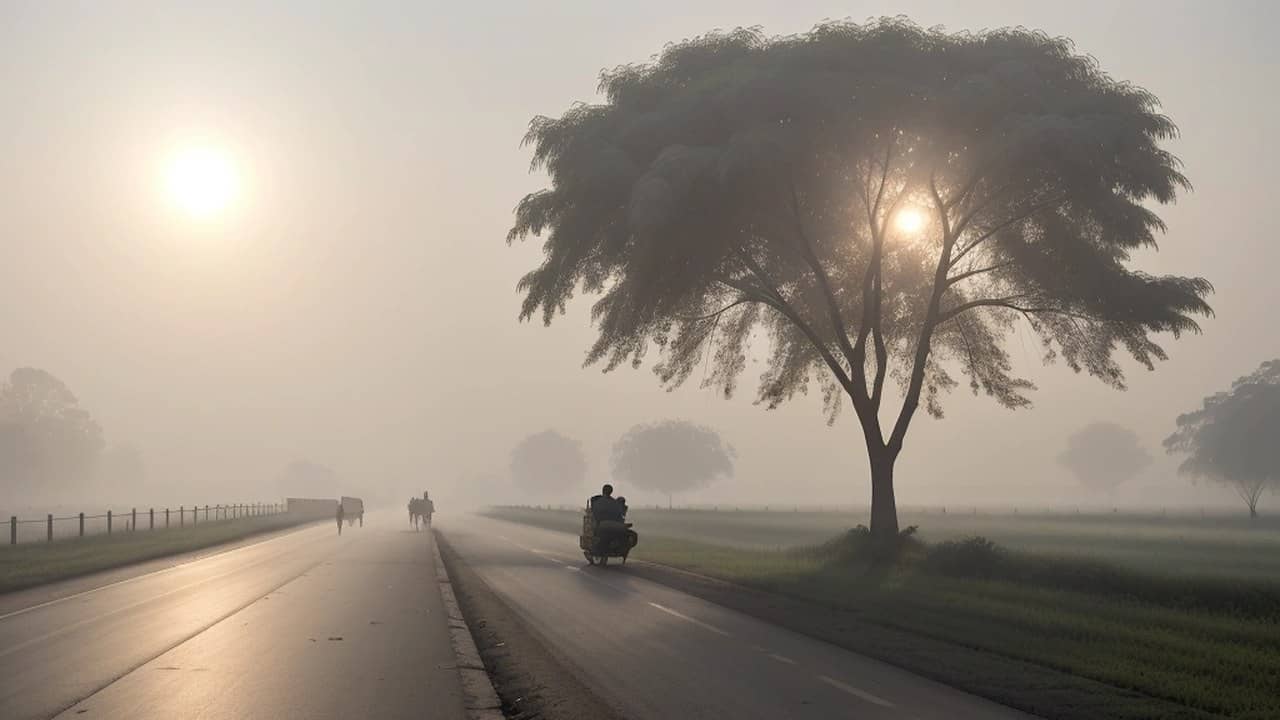
What Sunday's procession looks like in practice depends on police permission, route length and weather. Mainly clear skies help marchers. Carry water, keep to the permitted path, and do not block emergency lanes if you join as a spectator.
After the closing, Chaukaghat returns to its ordinary booking calendar. The measure of the meet for participants will be the discourses they heard; for neighbours, it will be whether the procession dispersed on time. Both outcomes are local enough to belong in a Varanasi daybook.
Families tracking the developing facts should keep screenshots of official notices and avoid sharing unverified forwards that invent quotes or timings.
Commuters and residents affected by the underlying issue can use municipal or police helplines already published by the district, and should record complaint numbers for follow-up.
Context from earlier Dalimss Varanasi reporting shows how civic, cultural and enforcement stories often overlap in the same wards across a single festival month.
Any medical or travel decision tied to this report should rest on a clinician's advice or an official circular, not on a news summary alone.
The Varanasi desk will update only when a named office confirms a fresh figure, arrest, schedule change or completed civic work on the ground.
Families tracking the developing facts should keep screenshots of official notices and avoid sharing unverified forwards that invent quotes or timings.
Commuters and residents affected by the underlying issue can use municipal or police helplines already published by the district, and should record complaint numbers for follow-up. Festival-season crowding elsewhere in the city, including Shivpur's late-night Ram Barat staging, means Sunday traffic planners should expect overlapping evening movement.
Context from earlier Dalimss Varanasi reporting shows how civic, cultural and enforcement stories often overlap in the same wards across a single festival month.