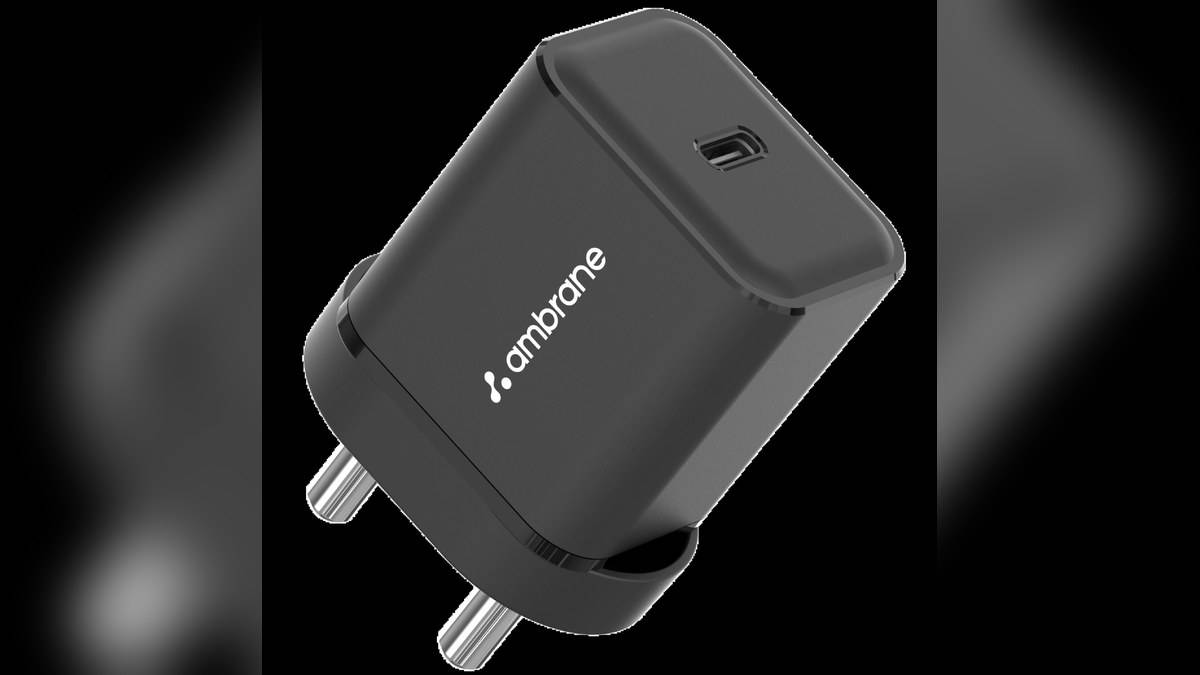
NEW DELHI: Ambrane lists the Charge 20 wall adapter at Rs 449 and the Charge 30 at Rs 899, including taxes, for their Black selections. Charge 20 has a single Type-C output; Charge 30 adds a USB-A connection alongside Type-C. Their names describe different power ceilings as well as different cable arrangements. Price as of 18 November 2026, 00:23 IST.
| Published detail | Charge 20 | Charge 30 |
|---|---|---|
| Displayed price, Black | Rs 449 | Rs 899 |
| USB-C maximum | 20W | 30W |
| USB-A maximum | No USB-A port listed | 18W |
| Port arrangement | One Type-C | One Type-C, one USB-A |
| Colours listed | Black, White | Black, White |
| Manufacturing-defect warranty | 180 days | 180 days |
The second connector is a functional difference
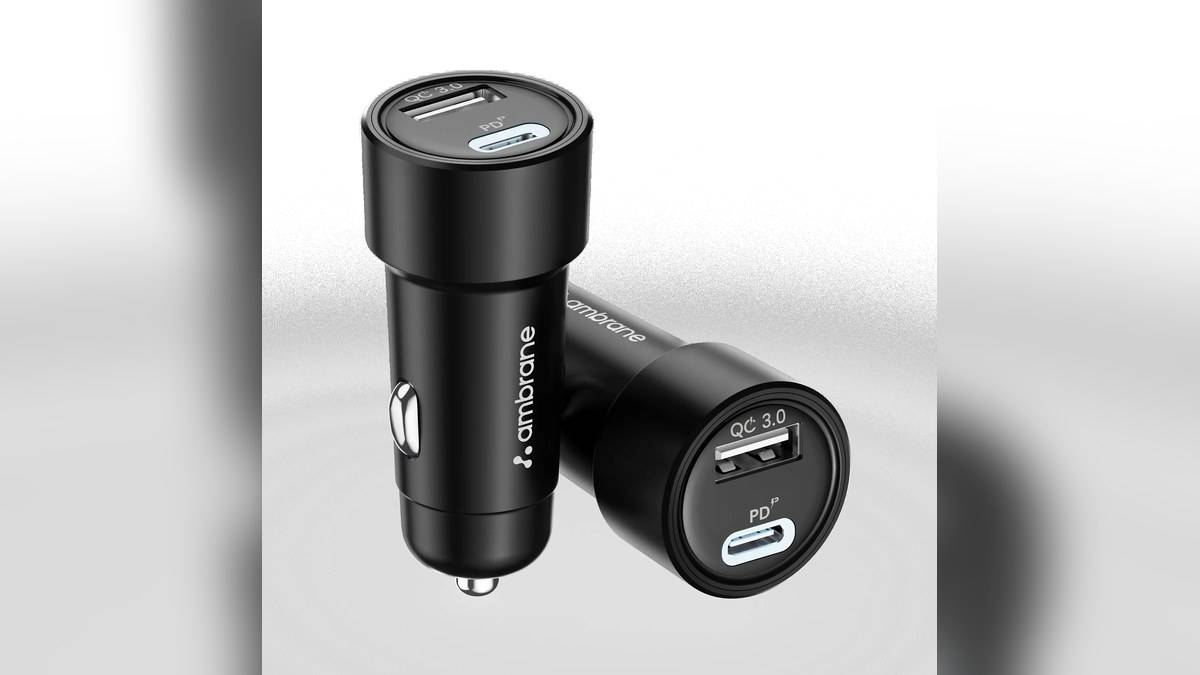
For a desk with a phone cable ending in USB-C and an older accessory cable ending in USB-A, Charge 30 changes what can be connected without replacing either lead. Charge 20 takes only a Type-C connector at the adapter end. This is a tangible distinction even when the device being charged does not use the larger output ceiling.
The pages list both finishes but the prices in this report belong to the opened Black selections. No extra power or storage version is described under either exact model name. These are product-price snapshots, with storewide promotion panels and crossed-out reference amounts excluded from the comparison.
Charge 20's official description identifies a compact USB-C charger with Power Delivery. Its FAQ specifically names Type-C to Type-C and Type-C to Lightning cables. That establishes how a suitable cable can connect different device-side plugs to the same adapter. It does not mean that a USB-A-ended lead fits the charger directly.
Two outputs do not mean two full-power supplies
Charge 30's FAQ confirms simultaneous charging through its Type-C and USB-A ports, subject to power distribution. The published individual output ratings describe those connections, while the model's overall maximum remains separate. The page does not provide a complete numerical allocation table for every paired-device combination.
Consequently, adding the individual port maxima and presenting the sum as guaranteed simultaneous output would be unsupported. A phone and earbuds can have different charging needs, and connecting both does not establish how much power either will receive throughout a session. This guide reports the available sockets and listed limits without inventing a missing sharing schedule.
That distinction matters in a shared room or home office. An extra socket can make a setup easier to manage, but a reader should still distinguish access to a connection from a promise of maximum speed. Charge 30 offers more connection flexibility than Charge 20; the opened pages do not quantify the benefit in minutes saved.
What the manufacturer claims about the hardware
Both pages describe GaN technology and a compact design, and both list protective circuitry. Charge 20's specification section explicitly names BIS certification, while Charge 30's page also presents a BIS section. These are official claims about the products, rather than independent laboratory results or a measured comparison between their internal components.
The product descriptions position them around smartphones and everyday electronics. Charge 30's FAQ names phones, tablets, wireless earbuds and other USB-powered devices. A small accessory therefore does not need to be assigned the charger's full headline output simply because it is connected. The charging requirements of the accessory still need to be respected.
The official pages include timed phone-charging examples, but those examples are not a controlled head-to-head test. This report does not use them to rank the adapters by speed. Without identical test conditions, a battery-percentage claim on one page cannot establish a reliable advantage over a different claim on another.
Where these models sit in a charging setup
Charge 20 addresses the straightforward arrangement of a device connected through a Type-C-ended cable. Charge 30 adds another connector format and a higher USB-C ceiling. Readers comparing them can therefore separate the questions: whether the required cable fits, whether more than one device needs a socket, and whether the device supports the relevant charging mode.
Neither page establishes a portable battery function. A wall charger belongs at a mains socket, while a bank stores power for later use. Our Powerlit guide covers a different product category. Keeping those roles separate avoids expecting these adapters to charge a phone when no power source is available.
For other official charger configurations already covered, see the Charge 25 guide and Charge X33 and i45 comparison. The immediate difference here is concrete: the dearer Charge 30 accommodates a USB-A lead as well as USB-C, while the cheaper Charge 20 provides a simpler single-connection arrangement.
Official sources: Charge 20 product page and FAQ and Charge 30 product page and FAQ.