
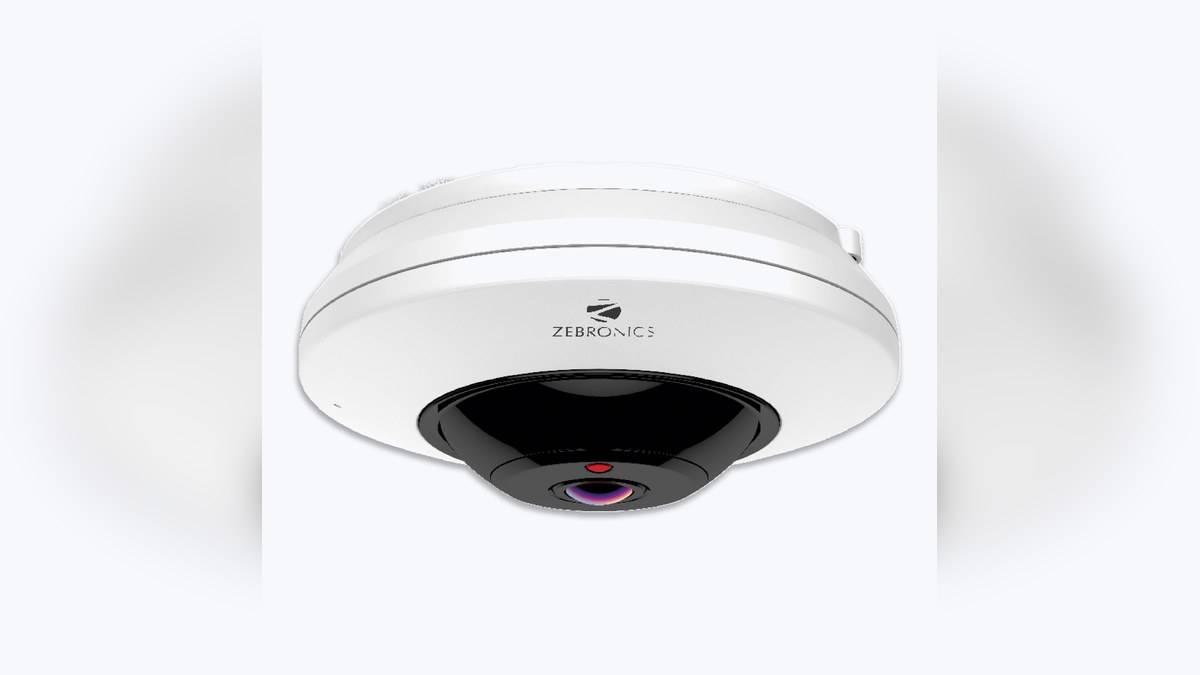
NEW DELHI: Zebronics lists its Zeb FE6MD3L20M fish-eye camera at Rs 11,250 including tax. The official page describes network recording options and PoE, but conflicting resolution entries make written specification confirmation essential before ordering. Price as of 24 November 2026, 00:18 IST.
| Listed model price | FE6MD3L20M: Rs 11,250, tax included |
|---|---|
| Product category | Fish Eye Camera |
| Ethernet | RJ45, 10/100 Base-T |
| Power over Ethernet | IEEE 802.3af |
| Local card support | MicroSD up to 64GB |
| Recording routes listed | NVR, NAS, VMS and Web |
| Resolution | Conflicting official entries; no settled rating used here |
What is clear, and what needs clarification
The official Zebronics page contains both 5MP and 6MP entries in different specification fields. This guide therefore does not assign a confirmed megapixel rating. It lists a 1.05mm fixed board lens, two-way audio and motion detection. The exact model has a single listed price.
For an Indian home owner considering an unusual camera format, the resolution discrepancy changes the purchase process. Ask for a dated specification tied to the precise unit being supplied. The answer should identify the recording output available in the intended recorder, rather than merely repeating a product name. Keep that document with the quotation so the delivered equipment can be checked against an agreed description.
Do not turn the fish-eye label into an assumed coverage promise. Before deciding where to mount this camera, ask the installer to show the view from the intended position and demonstrate how that view appears during playback. A wide overview and a usable view of a particular doorway are different requirements. Choose the view that answers the household's actual surveillance question.
Build the recording arrangement around the camera
The recording routes in the table make this a product to assess as part of a system. Ask which route the installer proposes and which component stores the footage. If a recorder is already installed, request a compatibility demonstration with that recorder. A statement that equipment supports network recording is less useful than showing that the chosen combination records and plays back correctly.
The local card option should also be discussed explicitly. Ask whether the proposed setup uses a card, the recorder, or both, and how the household will retrieve a clip. Clarify which recording functions remain available if the connection to the recorder is interrupted. These are questions for commissioning, rather than capabilities that should be assumed from a storage-capacity entry alone.
Agree the practical retention requirement before buying storage. Tell the installer what sort of event the household wants to find and how far back it expects to search. Ask for a design based on the proposed recording settings. Do not accept a universal storage-duration promise derived only from card capacity, because the actual recording arrangement has not yet been established.
Who it is for
The most plausible audience is a household seeking an overview from a carefully selected position and willing to verify the finished recording workflow. It is less suitable for someone expecting an uncomplicated purchase based on a confirmed megapixel specification. The unresolved listing entries deserve attention before installation costs are committed, especially if the camera will be fitted where later replacement is awkward.
For a rival shortlist, compare a conventional fixed-view network camera when the main need is a defined entrance or passage view. Compare the usefulness of the recorded scene rather than the shape of the housing. Ask for demonstrations at the proposed distance and lighting conditions. This is a way to make the comparison relevant without inventing a recognition range or promising identification from a catalogue description.
A sensible installation acceptance test
Once the specification is settled, request a local recording and playback demonstration before judging remote access. Try finding an earlier event through the controls that the household will actually use. Check whether the recorded view makes the relevant activity understandable. A live preview on the installer's phone should not be treated as the completed test of a recording system.
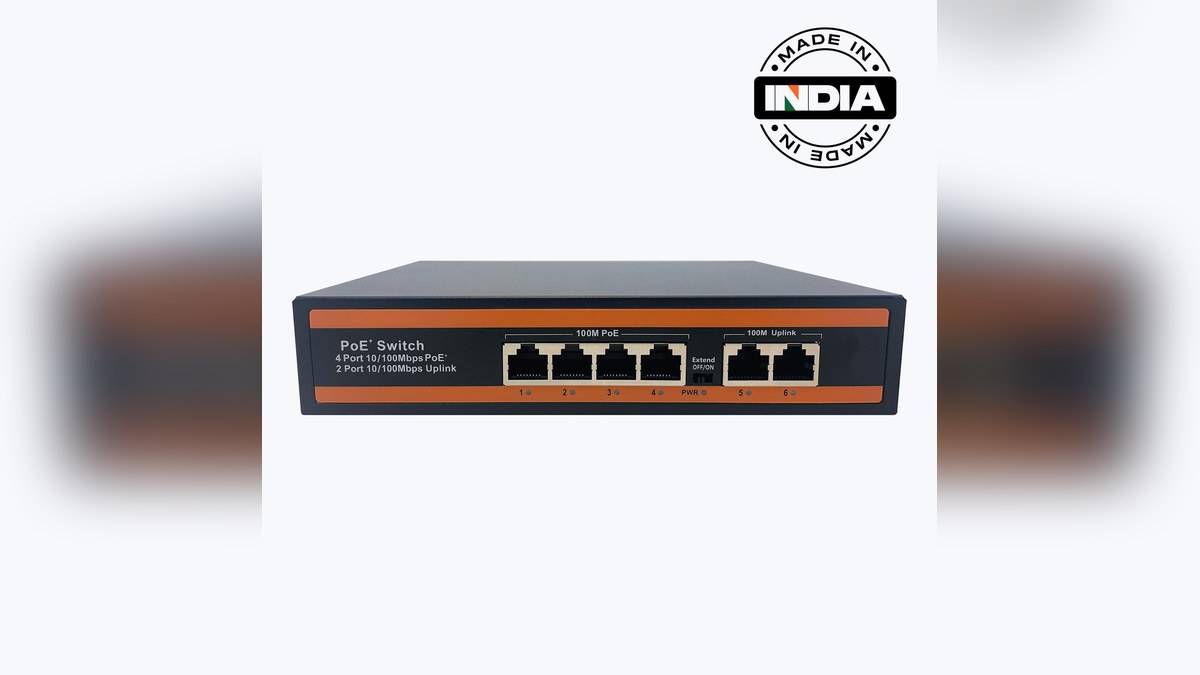
The PoE entry should lead to a compatibility check with the proposed power equipment. Have the installer document the selected switch or injector and the planned cable route. Keep the exact camera model on that record. If a substitute is proposed, ask for the specification and recording demonstration to be repeated rather than assuming a similarly named camera will behave identically.
Purchase records and the price boundary
The listed camera price should be separated from recording hardware, storage, power equipment, installation and configuration in the quotation. Ask for written responsibility for resolving the specification discrepancy before accepting the unit. Do not infer that a catalogue price includes the rest of a working surveillance system.
Zebronics lists HD and IP cameras under a two-year warranty category. Its policy requires the invoice and intact product labels. Preserve those along with the confirmed specification and installation record.
Related reading: our guides to the Zeb 4PG2UG1UF 65, Zeb 10CHVS6TA8M recorder and Zeb Smart Cam 100 explain other parts of a home surveillance setup.
Official sources: Zebronics product page and Zebronics warranty policy.