Women Kanwariyas Get Dedicated Stay And Care Facilities In Kashi
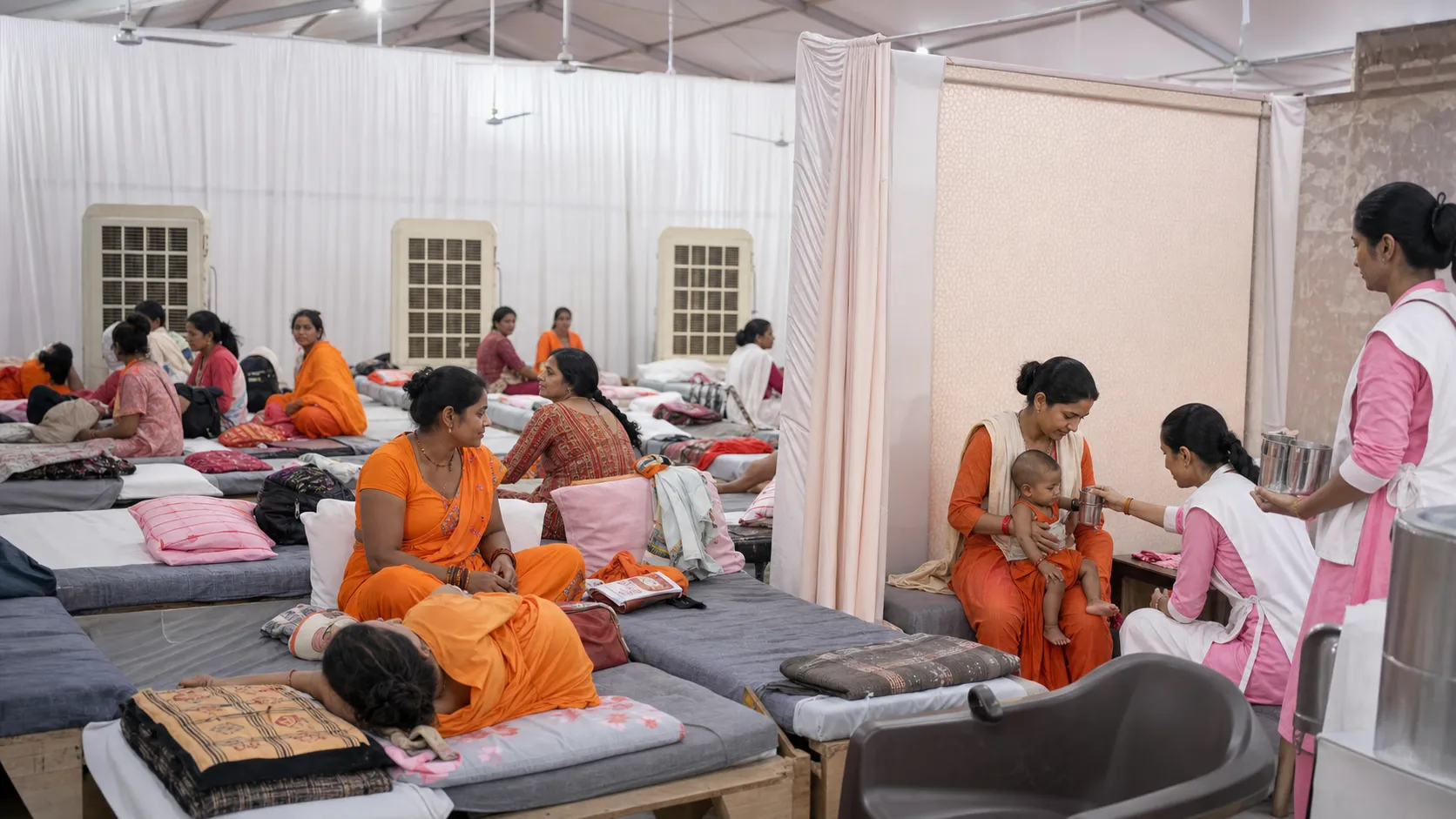
VARANASI: Women kanwariyas arriving in Kashi during Shravan will have separate accommodation, toilets and breastfeeding rooms at municipal camps, an overdue but practical shift in how the city prepares for a major pilgrimage.
The Varanasi Municipal Corporation is setting up 12 free camps and three cloakrooms as the month-long rush begins. Officials expect large numbers of pilgrims to travel to the Kashi Vishwanath Temple for jalabhishek, with women forming a visible and growing share of the yatra.
Dedicated spaces for women are more than a comfort measure. Pilgrimage routes often operate around arrangements designed for men, leaving women to negotiate privacy, rest and sanitation on their own. A breastfeeding mother may need a secure room rather than a curtained corner, while women travelling overnight need clearly marked sleeping areas with staff and lighting.
Municipal Commissioner Himanshu Nagpal said every camp would include dedicated arrangements for women. The corporation has also said it can open additional resting spaces if demand exceeds current capacity. That flexibility will be important on peak Mondays, when the pressure on temple routes and public facilities rises sharply.
The camps are expected to provide drinking water, fans, lighting, mobile charging points, mattresses, bedsheets, pillows, coolers, toilets and caretakers. Three safe-deposit facilities will allow pilgrims to store belongings before entering crowded areas. The cloakrooms are planned at Chittaranjan Park, Godowlia Crossing and near the Chowk police station premises.
Free camps are being arranged at locations including JP Mehta, Gilat Bazaar, Chittaranjan Park, Town Hall, Ashtabhuja Temple, the Varuna area and Rath Yatra crossing. Their spread matters because the pilgrim movement is not limited to the final lanes near the temple. People enter the city from railway stations, highways and local transit points before walking or taking shared transport towards the core area.
A joint quick-response team has been formed with personnel from water supply, electricity, health and engineering departments. Its task is to address complaints involving drinking water, sewerage, roads, sanitation and lighting. The real test will be whether that coordination works after midnight, during rain and at the busiest hours—not only during inspection visits.
Shravan runs from July 30 to August 28 this year. Crowd pressure will fluctuate, but the facilities need consistent cleaning and supervision throughout the month. Signage should be easy to understand, and help desks should be able to guide women without sending them between departments.
Safety also depends on the route between a camp and the temple. Well-lit approaches, visible women police personnel, reliable transport information and quick handling of harassment complaints are as important as the room itself.
Kashi has spent heavily on making pilgrimage movement faster and more organised. The new women-focused facilities address a quieter part of that experience: dignity. If implemented properly, they can turn a broad promise of convenience into something a tired pilgrim can actually feel when she reaches the city.
Related Stories

Thieves Hit Two Shops in One Night at Bareka’s Gumti Market

Kotwali Police Arrest Siddharth Sahni Within a Day of a Scooty Theft
Manduadih Police Arrest Raju Rajbhar After Paan-Shop Theft Opposite a Picket

Kashi Vishwanath CEO Vishwa Bhushan Mishra Transferred to UPSSSC as Deputy Secretary

Varanasi Waste Hits About 1,100 Tonnes a Day; Nagpal Orders Karsada Capacity Lift