Higher Speed Limits Proposed for Selected City and Rural Roads
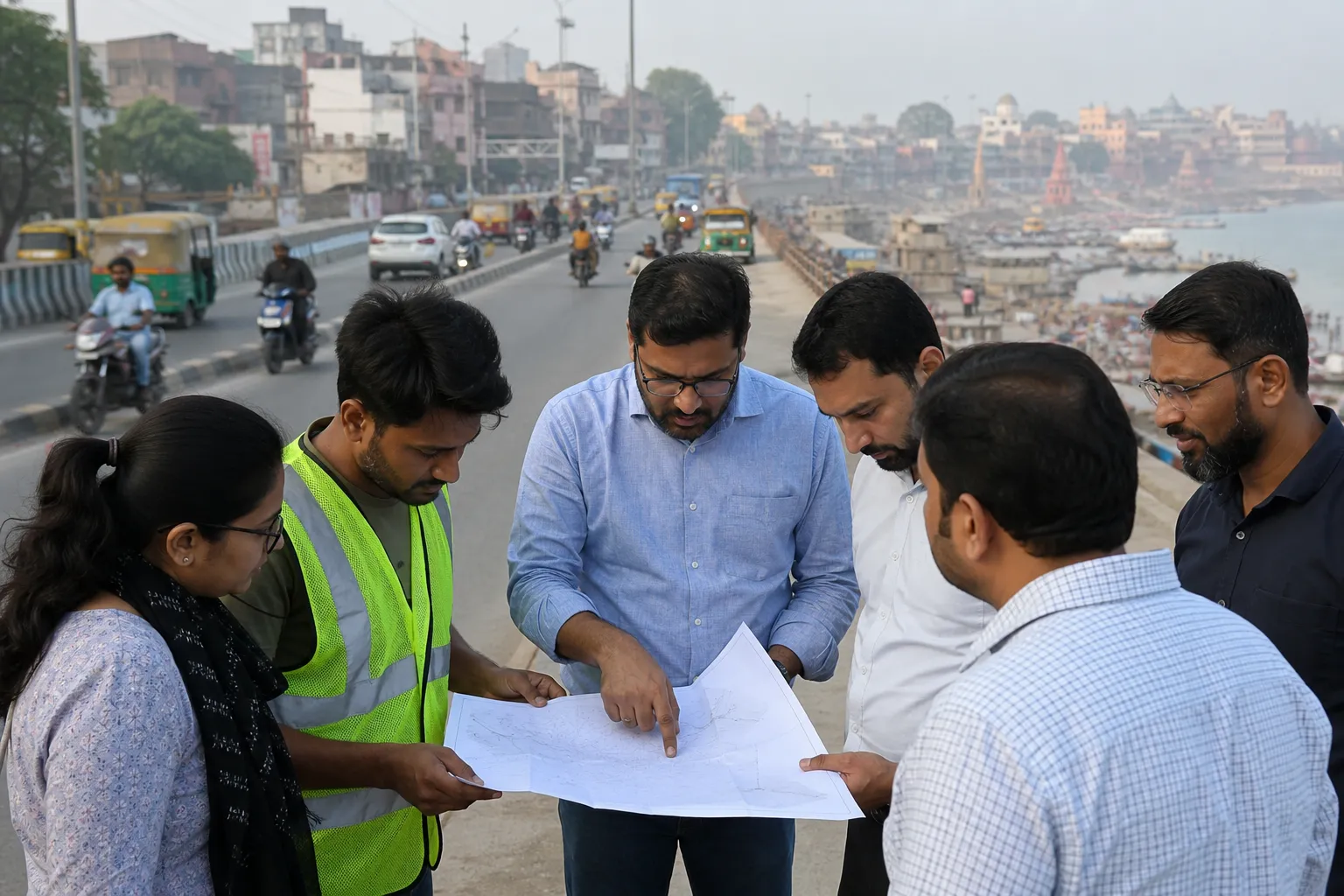
Varanasi, July 26, 2026: The local administration is considering revisions that could raise vehicle speed limits on selected city and rural roads.
The proposal would involve reviewing road width, traffic volume, settlement patterns and safety conditions before any corridor is assigned a different limit. It does not amount to a final notification.
Existing limits remain applicable until the competent authority issues a formal order. Road users should continue to follow posted signs and drive according to prevailing conditions.
A speed-limit review should consider far more than the width of a road. Engineers and traffic police usually examine junctions, pedestrian movement, schools, markets, roadside settlements, crash history, lighting, access points and the mix of vehicles. A divided road with controlled entry may safely support a different limit from a village road where people cross frequently. Conditions can also vary along the same corridor.
Higher limits may reduce travel time on appropriate stretches, but the safety margin becomes smaller as speed rises. Stopping distance increases, and a driver has less time to respond to a pedestrian, animal, broken-down vehicle or sudden lane change. For this reason, any revision should be accompanied by visible signs, lane markings, lighting, safe crossings and consistent enforcement. Limits must be understandable rather than changing without warning.
The proposal is particularly important for vulnerable road users. Pedestrians, cyclists, motorcyclists, schoolchildren and older people bear a greater risk in high-speed collisions. Roads that pass through dense neighbourhoods may need lower zones, traffic-calming features or service lanes even if the main carriageway is improved. Enforcement should focus on dangerous behaviour, including racing, distracted driving and abrupt weaving, not only a number recorded in isolation.
Drivers must choose a safe speed below the maximum whenever rain, fog, congestion, poor visibility or road works make the posted limit unsafe. A legal maximum is not a target. Seat belts, helmets, safe following distance and careful overtaking remain essential regardless of any revised figure.
Before implementation, authorities can improve public understanding by publishing the exact roads, segment boundaries, proposed limits and supporting safety assessment. Feedback from residents and regular road users may reveal crossing points or local hazards that are not obvious from a desktop review. The final notification should give enough time for signs and enforcement systems to be updated.
Until verified details are issued, reports should avoid presenting a proposed higher limit as permission to drive faster. The confirmed development is that a revision is under consideration for selected urban and rural roads. Its value will depend on whether road design, enforcement and protection for vulnerable users are addressed together. A well-explained, evidence-based decision can support mobility while keeping the prevention of death and serious injury at the centre of transport policy.
Related Stories
Thieves Hit Two Shops in One Night at Bareka’s Gumti Market

Kotwali Police Arrest Siddharth Sahni Within a Day of a Scooty Theft
Manduadih Police Arrest Raju Rajbhar After Paan-Shop Theft Opposite a Picket

Kashi Vishwanath CEO Vishwa Bhushan Mishra Transferred to UPSSSC as Deputy Secretary
Varanasi Waste Hits About 1,100 Tonnes a Day; Nagpal Orders Karsada Capacity Lift