Varanasi Civic Body Reclaims Kakarmatta Pond Land After 38-Year Dispute
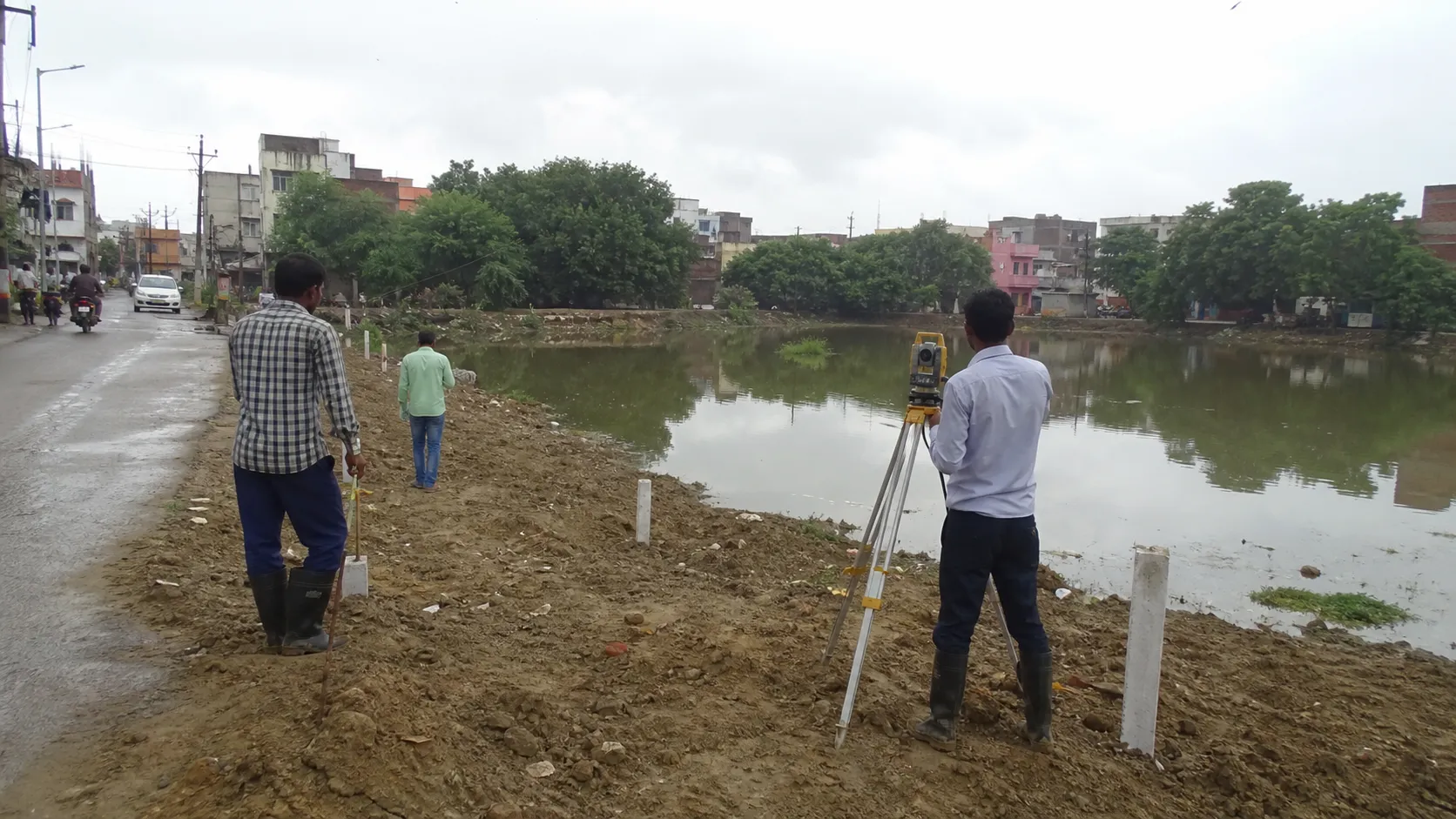
Varanasi Municipal Corporation has reclaimed more than one bigha of government land recorded as a pond in Kakarmatta, ending a legal dispute that had continued for 38 years. The property, located along BLW Road, was cleared of occupation on Monday after the civic body secured an order in its favour. Officials have placed its estimated market value at about ₹100 crore.
The case concerned land in Mauza Kakarmatta that private claimants said had been held by their family since Fasli years 1356 and 1359. They sought recognition as permanent tenure holders, but the claim went through several rounds of appeal and revision over nearly four decades. During the latest proceedings, the court of Additional Sub-Divisional Magistrate (Sadar) Pragya Singh examined the case file and the relevant revenue entries.
Those records described the plot in connection with singhada cultivation and as a pond. The court treated that classification as decisive because ponds fall within land reserved for public use. According to the order as described by municipal officials, such land cannot be converted into transferable private tenure through prolonged occupation. The claim was rejected, names entered against the plot were ordered to be removed and the pond classification was restored in the revenue record.
For Varanasi, the order matters beyond the eye-catching valuation. Kakarmatta has seen dense construction and heavy traffic around BLW Road, leaving old water bodies under pressure from dumping, filling and fragmented ownership claims. A pond that survives only as an entry in a register does little for a neighbourhood. Its public value returns when the boundary is secured, the catchment remains open and the site is protected from another cycle of encroachment.
The civic body’s next moves will therefore be watched closely. Reclaiming the land is the legal and administrative first step; restoration would require a measured survey, removal of unsuitable debris, an assessment of water inflow and a maintenance plan. Any earthwork must also avoid damaging the pond’s natural profile in the name of quick beautification. The corporation has not announced a separate restoration budget or completion schedule for this particular site.
Clear demarcation is equally important. Boundary pillars, updated maps and a public record of the pond area can reduce fresh disputes and make it easier for residents to flag new construction. The site should also be checked for drains carrying sewage or solid waste, since a fenced but polluted pond would still fail its civic purpose.
Urban ponds absorb rainwater, support groundwater recharge and give overloaded drains somewhere to release storm flow. In a monsoon city, that is working infrastructure, not spare real estate. Their protection also reduces the temptation to solve waterlogging only through larger drains and pumps after natural storage has disappeared.
The Kakarmatta decision gives the Municipal Corporation a significant legal win after 38 years. Its lasting impact, however, will depend on what happens on the ground now: accurate records, visible boundaries and a restoration approach that keeps the recovered land functioning as a public water body rather than allowing it to slip back into dispute.
Related Stories
Joint Railway Team Arrests Two Suspected Mobile Thieves at Varanasi Cantt
Varanasi National Lok Adalat on September 12 to Take Up Traffic, Family and Loan Cases

Failed Transformer Test Puts Bhikharipur Repair Workshop Under Scrutiny
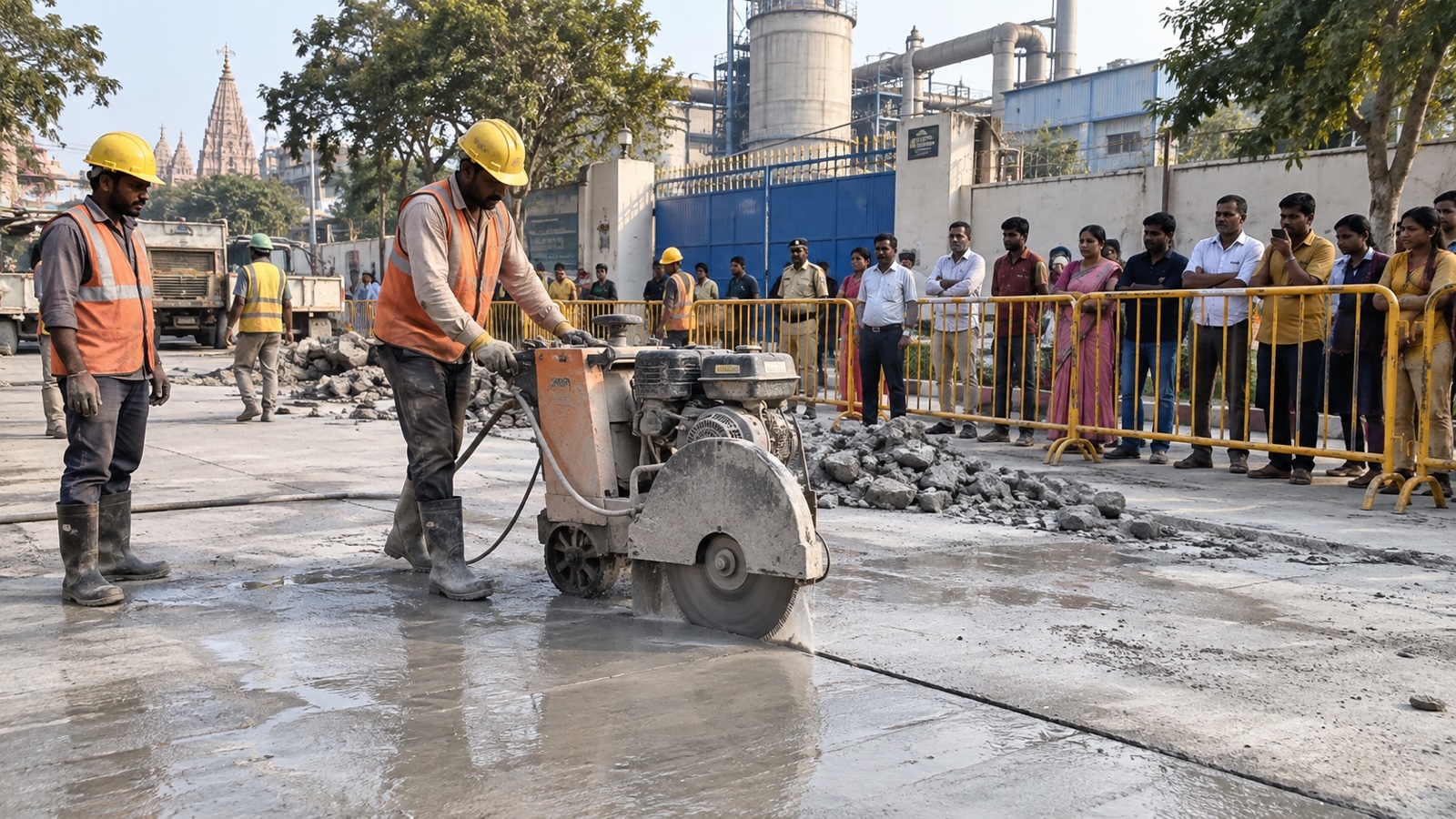
Residents Stop Work After Three-Day-Old RCC Road Is Cut Near BLW Gate
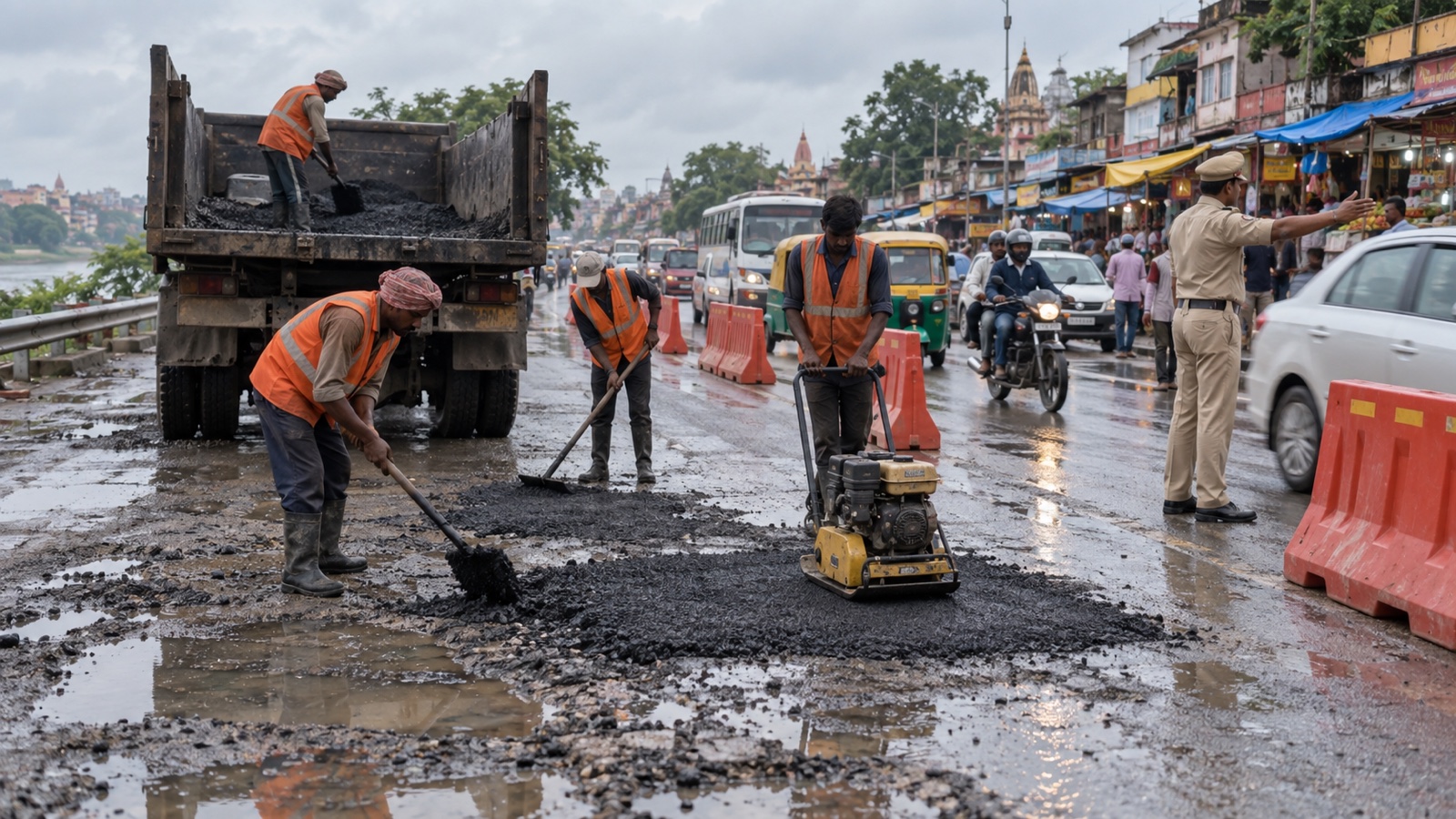
Emergency Repairs Begin on Broken Varanasi-Bhadohi Highway Stretch