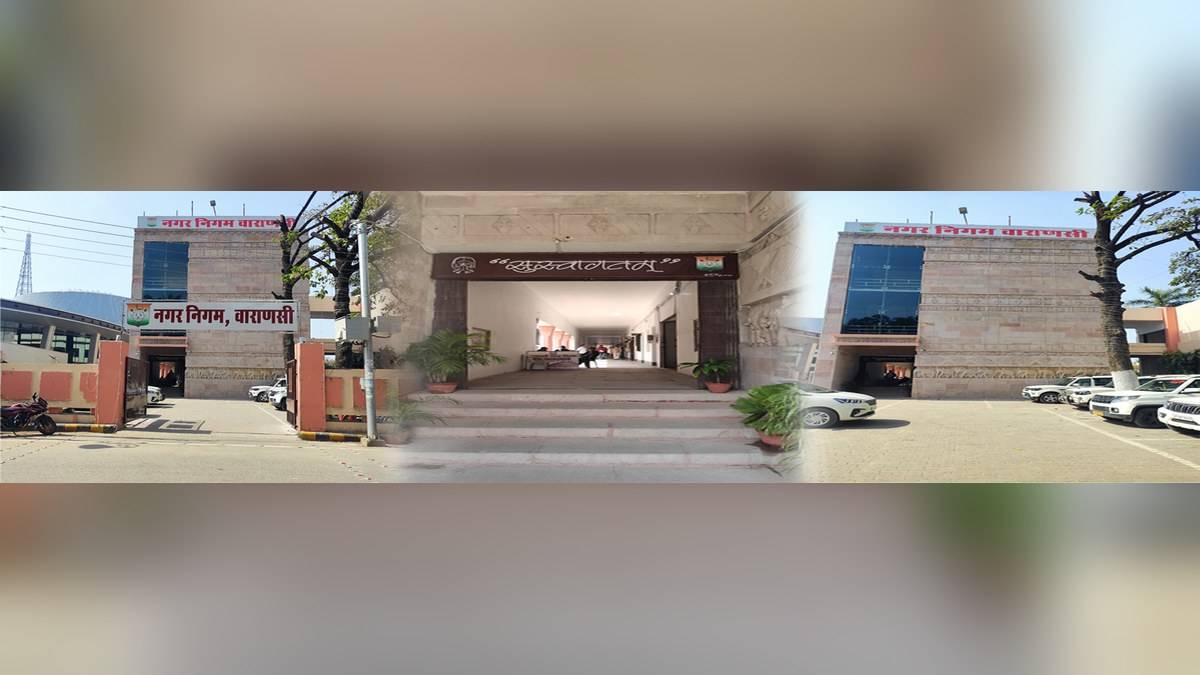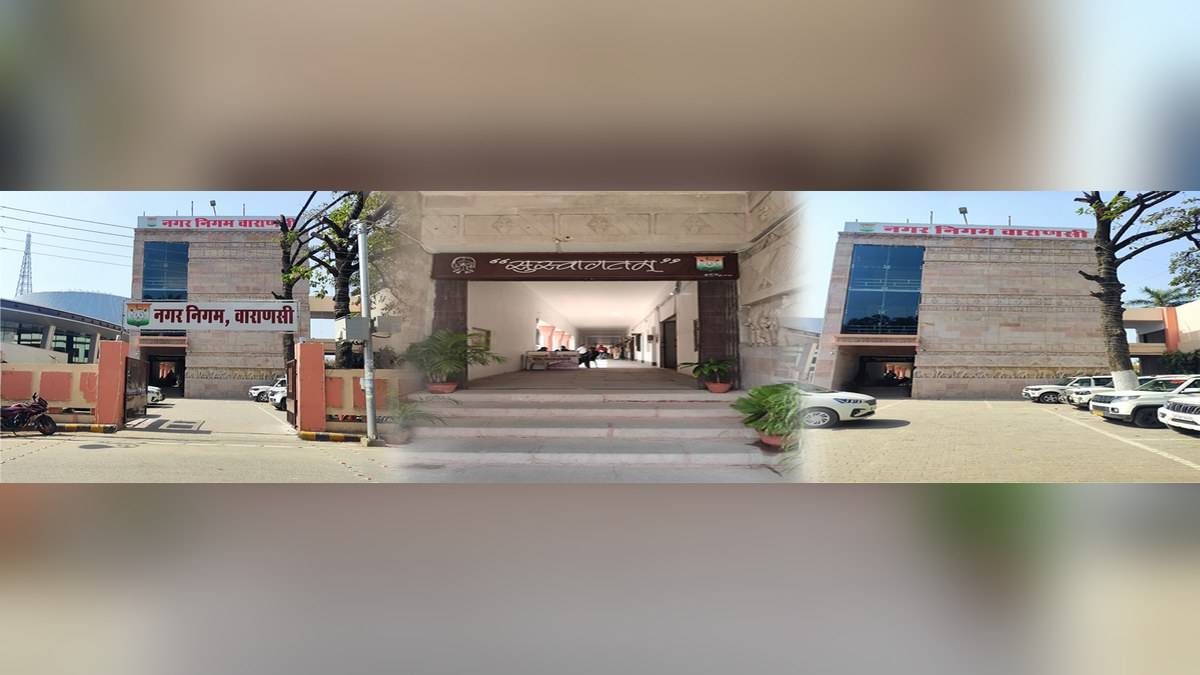
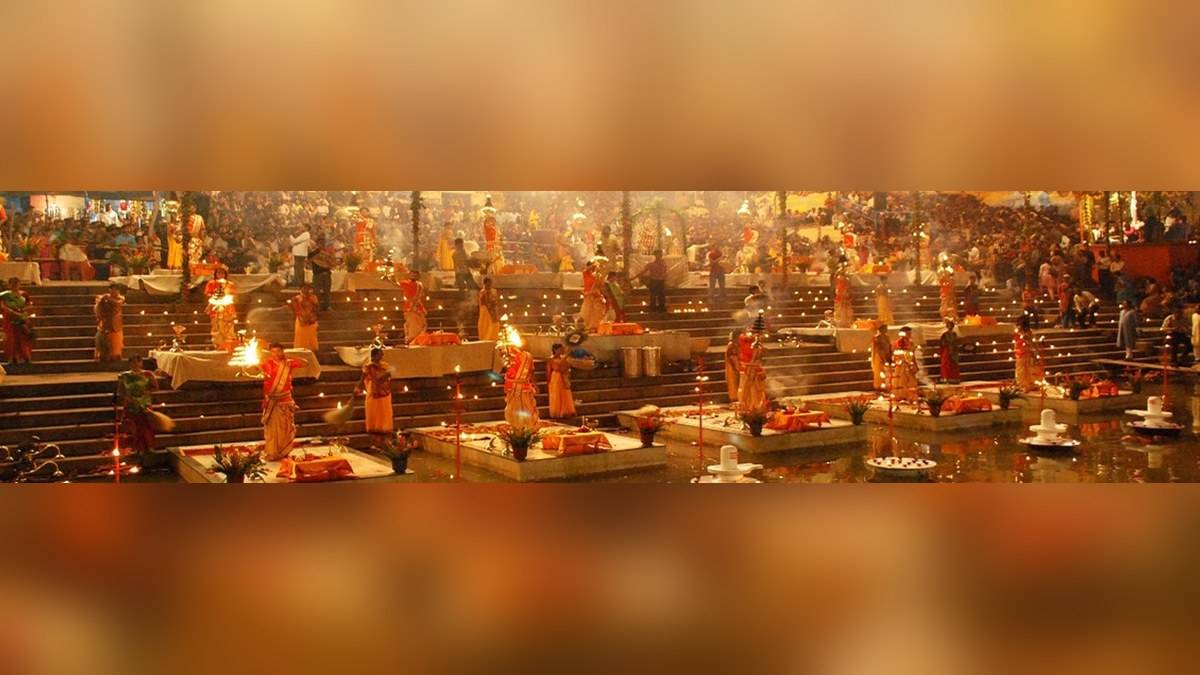
VARANASI: Municipal officials received new responsibilities on Tuesday, November 10, 2026, for Chhath and Dev Deepawali preparations across the riverfront from Namo Ghat to Samne Ghat, as well as Ramnagar, the Varuna riverfront and city ponds. The fresh review assigns zonal oversight and repair work after the access problems as reported earlier on dalimss.news. Families preparing to visit these places should check the approach route and facilities at their chosen location.
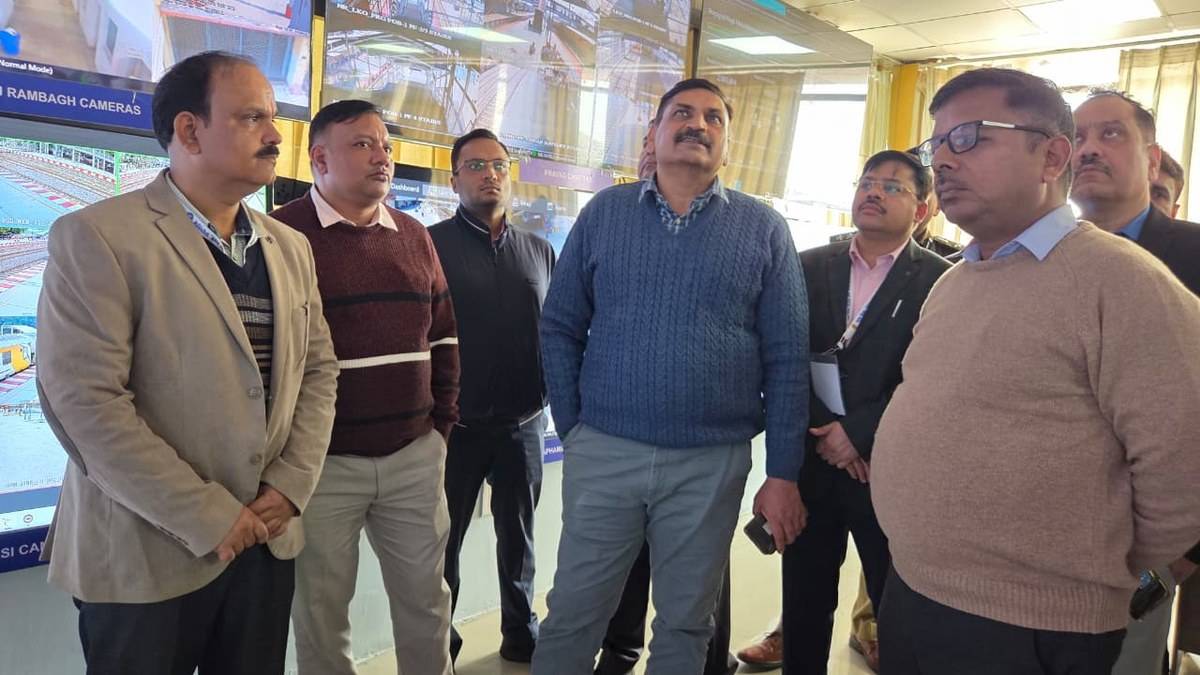
Mayor Ashok Kumar Tiwari and Municipal Commissioner Himanshu Nagpal jointly reviewed the arrangements. Reports of the meeting say zonal officers were made responsible for their areas and told to inspect ghats, kunds and ponds for damage, debris and dirt. The instructions cover the route to the water as well as the worship area.
Residents can report a broken approach, accumulated waste or a lighting problem through 1533, the civic complaint number displayed on the corporation's official website. Give the name of the ghat or pond, the access road and a nearby landmark. A general preparation announcement does not establish that every location has already been cleared or equipped.
Who is responsible for the preparations
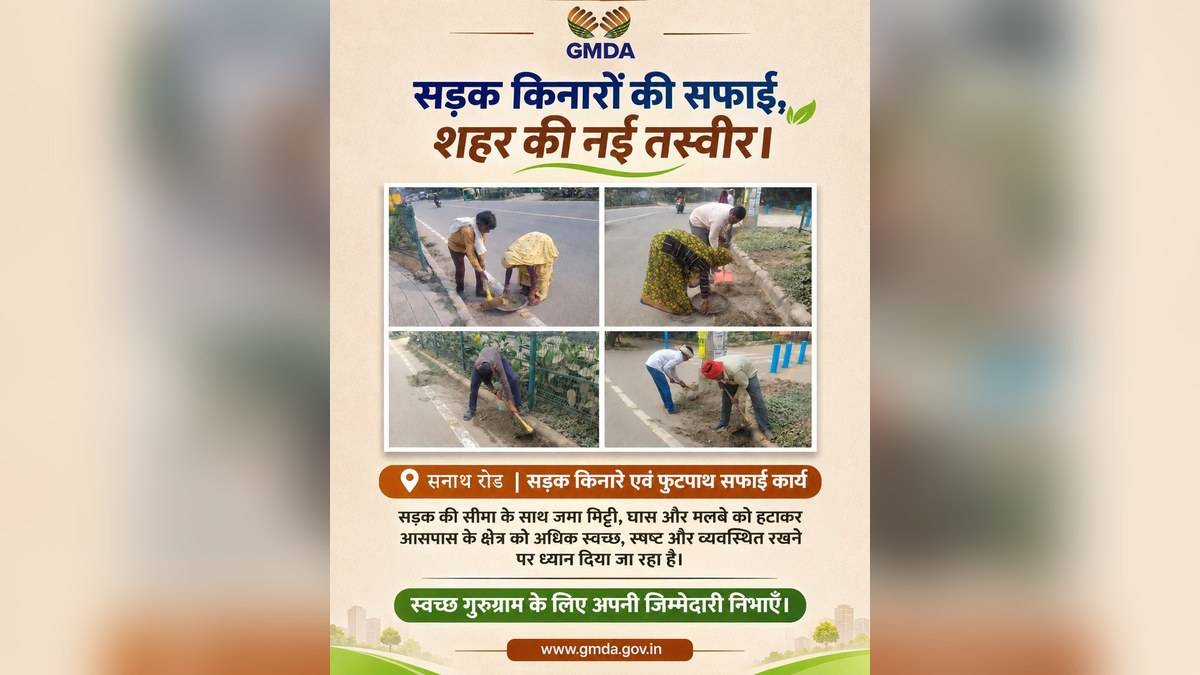
Separate reports of the November 10 arrangements identify Additional Municipal Commissioner Durgesh Mishra as the overall nodal officer. Zonal and sanitation officers have responsibility for cleaning and removing silt, debris and unwanted material. The same arrangements require entry routes, exits and connecting roads to be kept free of accumulated rubbish.
The meeting reports describe a wider inspection area than one stretch of the Ganga. Alongside Namo Ghat to Samne Ghat, they name the ghats in Ramnagar, the built ghats on the Varuna and municipal ponds and kunds. This makes the local zonal team relevant to residents using a neighbourhood water body as well as those travelling to the main riverfront.
Engineers and health inspectors were instructed to keep visiting the sites and monitor the arrangements. Zonal sanitation officials were also told to inspect cleanliness through boat patrols and on foot. These are monitoring responsibilities announced at the review; the reports do not provide a completed inspection list for individual ghats.
Water, lighting and safer access
The Jal Kal department has been assigned drinking water arrangements at major ghats and worship sites, including water tankers where required. The lighting department is responsible for streetlights, high-mast lights and temporary lighting along the riverfront and approach roads. The material reviewed does not list tanker positions or the number of lights to be repaired.
Changing rooms and mobile toilets form another part of the preparations. The review calls for adequate, good-quality changing facilities. Families who need them can check their location with the staff on site before choosing a place to stay. No ghatwise inventory or opening hours for these facilities is included in the reports.
Officials were directed to assess water depth around ghats and other water bodies, identify dangerous stretches and arrange barricades and warning signs. These measures are intended to keep worshippers and children away from deep water. Visitors should follow the marked boundary at their own site and avoid treating an unmarked neighbouring stretch as an approved access point.
The review also calls for sand-filled bags at marshy places to help movement. That instruction addresses the ground underfoot, while silt clearance and repairs address separate access problems. Residents approaching with children or family members who need assistance can check the path before bringing everyone down to the water.
The veterinary department has been assigned control of stray animals around the worship areas. The meeting reports say animals found wandering at ghats should be caught and a fine imposed. They do not specify a fine amount. The instruction should therefore be understood as a responsibility for the department, rather than a published tariff.
What residents should do
Keep the complaint focused on the problem that needs attention: a damaged step, a dark approach, debris at an entrance or an unavailable civic facility. The official municipal website also lists 14420 for sewer and septic tank cleaning. That service is separate from the broader festival preparation work and may be relevant where a household's immediate difficulty is a sanitation blockage.
At the same review, the mayor examined delays in civic development work. Reports identify Kakar Matta pond, the JP Mehta athlete playground and beautification of lanes associated with Padma award recipients for completion by December 15. Sonia pond's progress was also reviewed. These project directions do not mean that a December deadline applies to the temporary Chhath arrangements.
For related municipal context, read the earlier reports on the revised civic budget and the municipal complaint hearing. The immediate resident-facing test of the November 10 directions will be whether the identified routes and worship areas have the cleaning, lighting, water and access measures assigned to the departments.