GURUGRAM: Police Commissioner Sibash Kabiraj has ordered random transfers of traffic personnel every 60 days through a computerised system, officials said on Tuesday, November 10, 2026. The directions follow the arrest of a Home Guard accused of demanding a festival gift during a roadside stop near Cyber Hub.
The instructions affect the supervision of traffic police, Home Guards and special police officers on road duty. For people travelling through the Cyber Hub area and other Gurugram junctions, the announced changes concern how enforcement staff are deployed, how their conduct is monitored and which supervisory officers will be answerable for misconduct.
Supervisors face explicit responsibility
According to the police account carried in matching reports, zonal officers and traffic inspectors will be held accountable if personnel under their supervision engage in corrupt practices while performing traffic duties. The direction places responsibility above the individual officer dealing with a road user. It specifically includes misconduct by Home Guards and special police officers, alongside traffic police personnel.
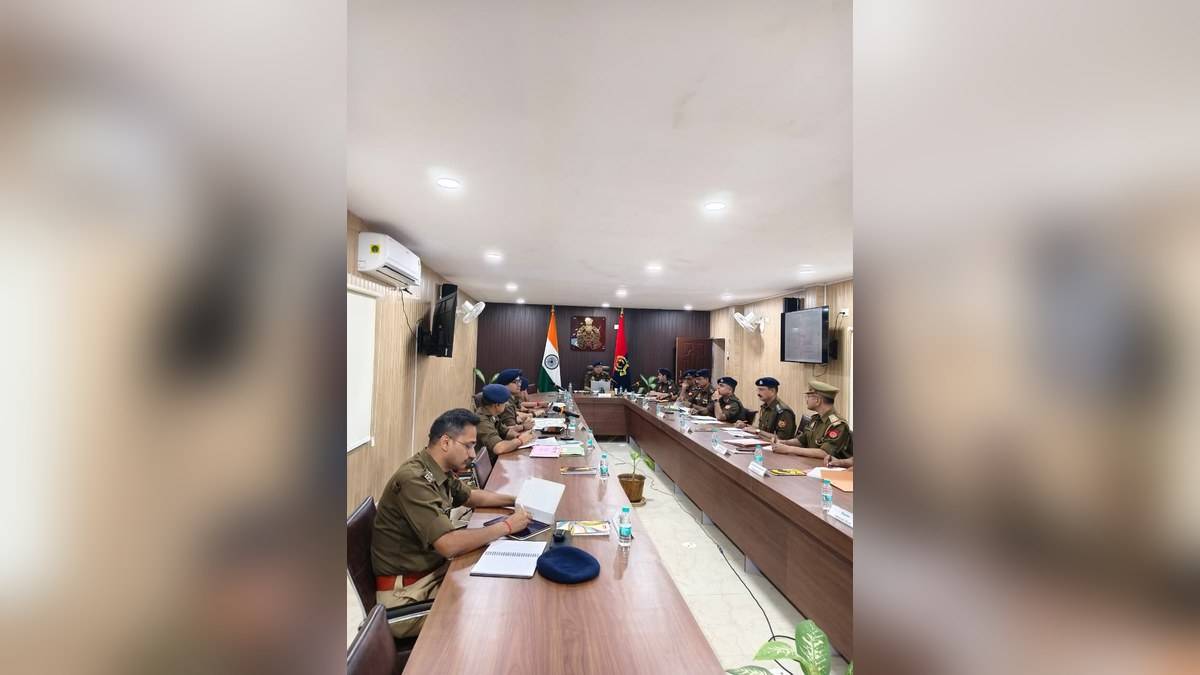
Deputy commissioners and assistant commissioners of police have been directed to hold meetings with subordinate officers and staff down to the zonal level. The purpose is to communicate the instructions to personnel carrying out enforcement on the ground. Officials described the commissioner's position as a prohibition on illegal collections, improper behaviour and corrupt conduct during duty.
The 60 day rotation is to operate through random computerised transfers. The reports do not provide a first transfer list, identify the next batch of staff due to move or give a date for the first rotation under the instruction. The announcement establishes the posting interval and method; it does not establish that every employee has already changed location.
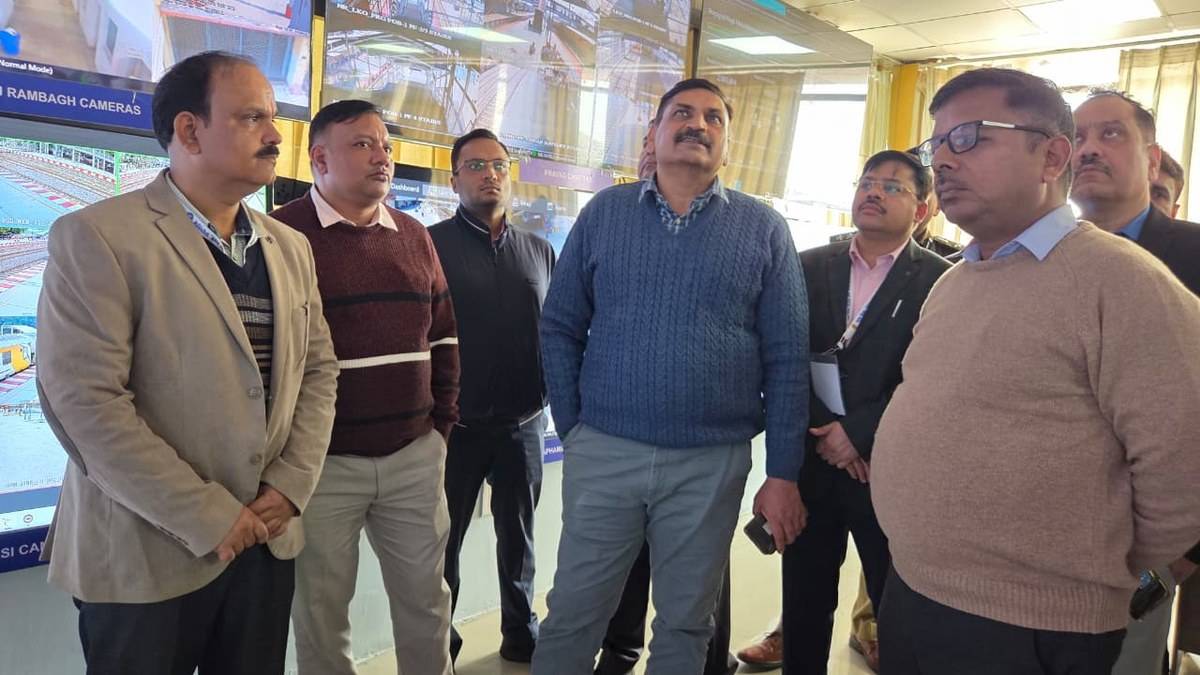
Monitoring responsibilities also extend to assistant commissioner rank officers working in the Police Control Room. They have been told to inspect and monitor CCTV cameras regularly so that the conduct of personnel on duty can be checked. This is a direction for supervisory scrutiny of the existing enforcement environment, rather than a published count of newly installed cameras.
- Posting change: random computerised rotation every 60 days.
- Accountability: zonal officers and traffic inspectors responsible for supervision.
- Briefings: deputy and assistant commissioners to meet subordinate staff.
- Monitoring: Police Control Room officers to check CCTV coverage.
- Challans: proceedings to take place under body worn camera surveillance.
Recorded challans and the Cyber Hub case
The commissioner has also directed that traffic challan proceedings take place under body worn camera surveillance. Reports describe the purpose as transparency in enforcement and protection of the interests of road users and police personnel. The direction concerns the recording of the interaction during challan proceedings. The opened accounts do not specify a new public process for obtaining recordings.
The immediate background is an allegation concerning a Home Guard at a traffic stop near Cyber Hub. Police said the encounter took place on November 7, when a person travelling with family was stopped and allegedly asked for money or a gift after repeated festival greetings. The encounter was recorded by a dashboard camera and subsequently circulated online.
Police said an FIR was registered at DLF Phase 3 police station and the accused Home Guard was arrested. The criminal case concerns alleged conduct during a roadside stop. Its investigation is separate from the administrative directions now issued for personnel across traffic duties. The allegation remains an allegation under investigation; the arrest does not establish guilt or a court finding.
The case and the new supervision instructions are related developments, but the posting order is the new announcement. It applies to the management of road duty personnel more widely. The reports do not announce a concluded departmental inquiry into the incident or a final judicial outcome.
Official routes for a complaint
The official Gurugram Police account states that it is not monitored continuously and asks people not to report crime through that account. It identifies 112 for emergencies. A public post or a reply on social media should therefore not be assumed to have registered an emergency complaint.
For ordinary online complaints, the Haryana Police citizen services list identifies complaint disposal as a free service through the listed citizen portals. It gives a 60 day stipulated period for disposal under the service framework. That published service period is separate from the new 60 day staff rotation interval and is not an assurance of immediate resolution of an individual complaint.
Related local background includes the proposed expansion of traffic camera coverage, the earlier firecracker enforcement update, and the police directive on missing minor investigations. These concern separate policing decisions, rather than findings in the Cyber Hub case.