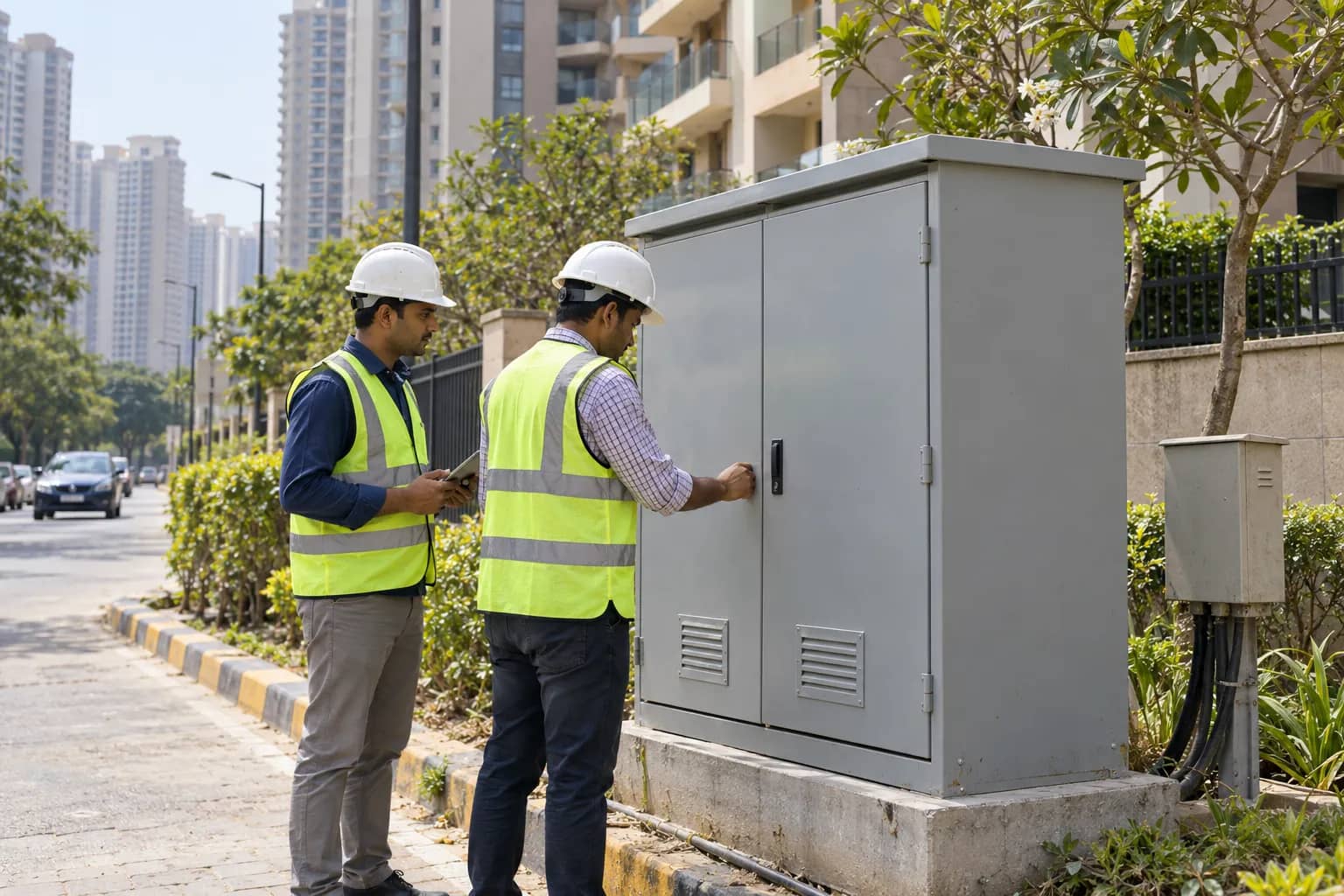
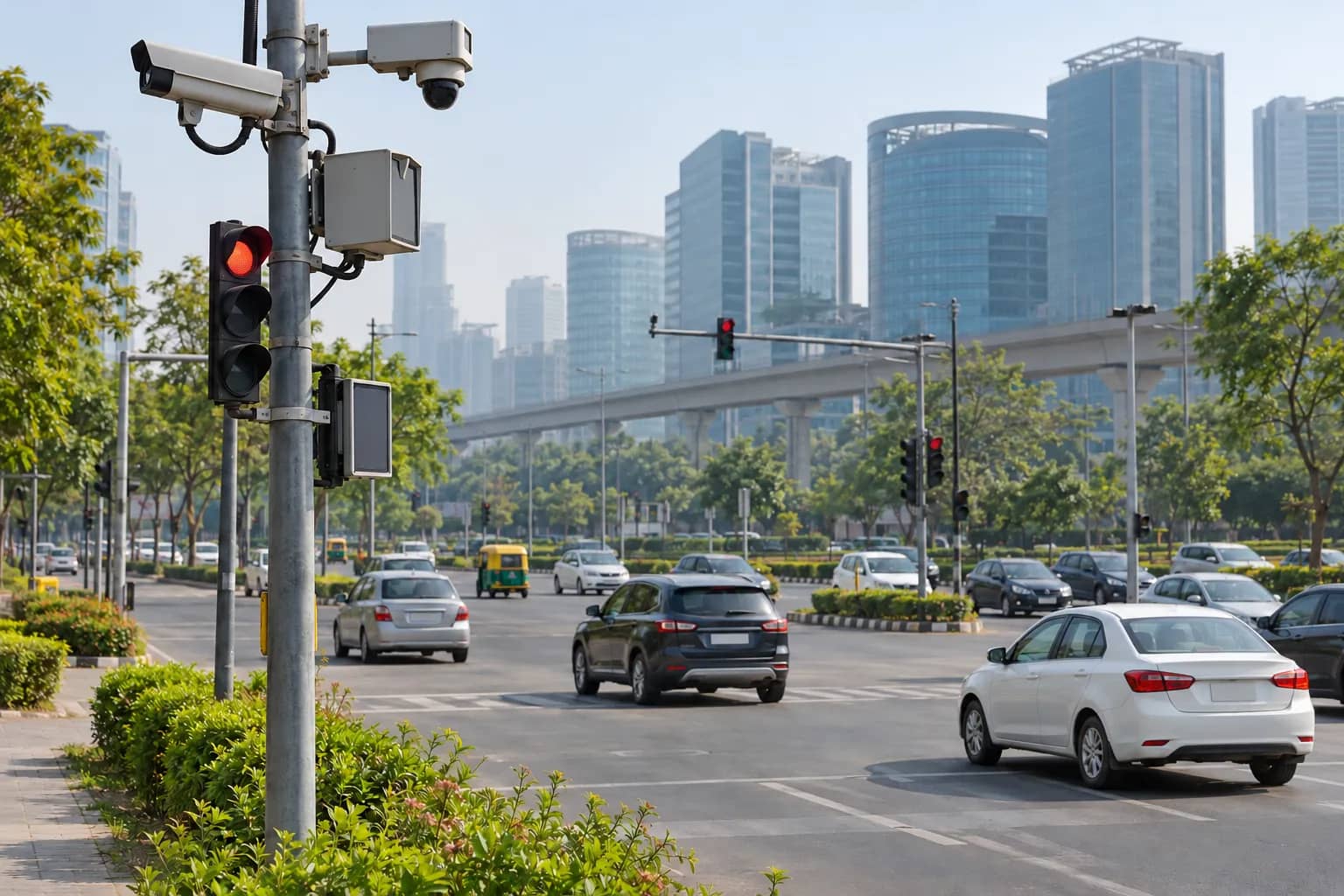
GURUGRAM: Maruti Suzuki plans to add 1,000 cameras integrated with radar systems to Gurugram’s traffic-monitoring network. Its October 19 announcement covers about 70 junctions on nine road stretches spanning 65 km. The expansion is a planned second phase, not confirmation that those additional cameras are already issuing challans.
The company puts the combined deployment after expansion at 1,400 cameras, 93 junctions and 13 road stretches. Its approximately ₹75 crore corporate social responsibility allocation covers both phases. It is not a separate ₹75 crore allocation for the latest phase alone. The company says phase one’s 400 cameras and radars at 23 junctions have already been installed.
Maruti Suzuki names the Gurugram Metropolitan Development Authority and Gurugram Police as implementation partners. The announcement does not provide a junction-by-junction commissioning calendar or a date when the entire second phase will become operational.
How the first phase was set up
The earlier agreement shows how the project was set up. On March 5, 2025, Maruti Suzuki signed a memorandum with GMDA and Utkrisht Society for Safe Haryana, described as a Haryana State Police society. That initial project covered installation and maintenance at 23 junctions along four road stretches totalling 40 km.
Maruti Suzuki was to fund the project through its CSR programme, set up the system and integrate it with GMDA’s network. The arrangement brought cameras, radar equipment and associated systems into a central command structure rather than treating each roadside camera as an isolated enforcement installation.
The March announcement described detection of red-light and speed violations, helmet use and wrong-side driving, alongside automatic number-plate recognition. Once a violation was detected, the system was to capture the registration number and send the information to the Integrated Command and Control Centre’s data server.
The latest weekly enforcement figures
Separately, Gurugram Traffic Police’s October 19 weekly update reports 79,051 challans over seven days, including 21,114 for wrong parking and 6,058 for wrong-side driving. It also reports 967 vehicles without number plates impounded. These figures describe enforcement activity, not the number of different motorists penalised.
The police post does not attribute that total to Maruti Suzuki’s cameras or split it between roadside personnel and electronic detection. It supplies no fine-collection total or accident-reduction result. The week’s enforcement count therefore cannot demonstrate the effect of a camera expansion that has only just been announced.
What electronic evidence should show
The Union road transport ministry’s August 2021 explanation of electronic-enforcement rules sets out the distinction between capturing a vehicle and documenting an offence. It describes footage stamped with the location, date and time, and electronic challans accompanied by clear photographic evidence showing the offence and vehicle plate, the device’s measurement, and the legal provision alleged to have been breached.
The same explanation covers more than speeding. Its listed offences include unauthorised stopping or parking, helmet and seat-belt violations, driving against the authorised flow, lane-driving breaches and failure to give emergency vehicles passage. It also says enforcement equipment should not obstruct traffic, interrupt its flow or create line-of-sight problems.
The ministry also described placement at high-risk and high-density highway corridors and critical junctions in major cities. The ministry described an evidentiary record of an offence, not simply a count of passing vehicles. This is background from the 2021 rule explanation, not a new Gurugram fine schedule.
Separate from highway traffic systems
Road users should also distinguish the city project from highway monitoring. In a separate December 3, 2025 parliamentary reply, the road transport ministry listed the Dwarka Expressway’s standalone Advanced Traffic Management System as completed. That is a different programme and earlier status report, not evidence that the newly announced Gurugram cameras are operational.
The highway reply describes number-plate recognition, surveillance and incident-detection cameras, with variable-message signs carrying congestion, incident and weather warnings. Its scope includes detecting incidents and supporting a field response, as well as enforcement. Those highway functions should not be treated as promised features at every junction in the city expansion.
Dalimss News has separately covered Gurugram’s September challan figures and the metro’s utility-shifting and traffic-diversion tender. They concern different enforcement periods and construction works, respectively.