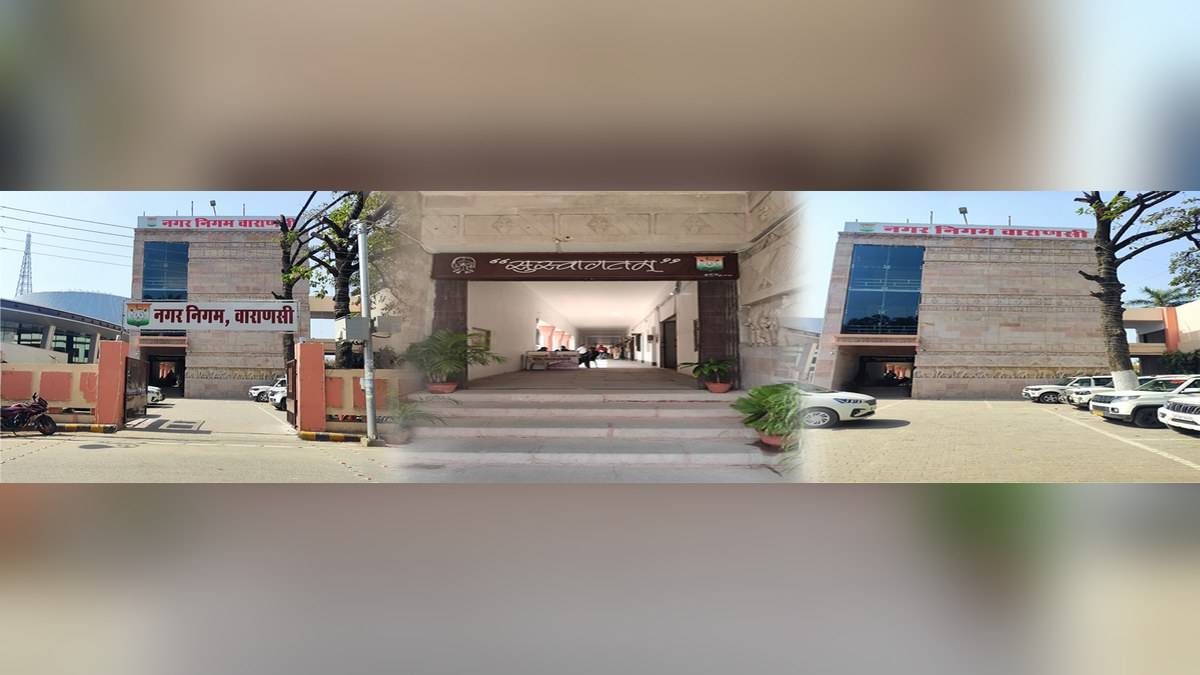
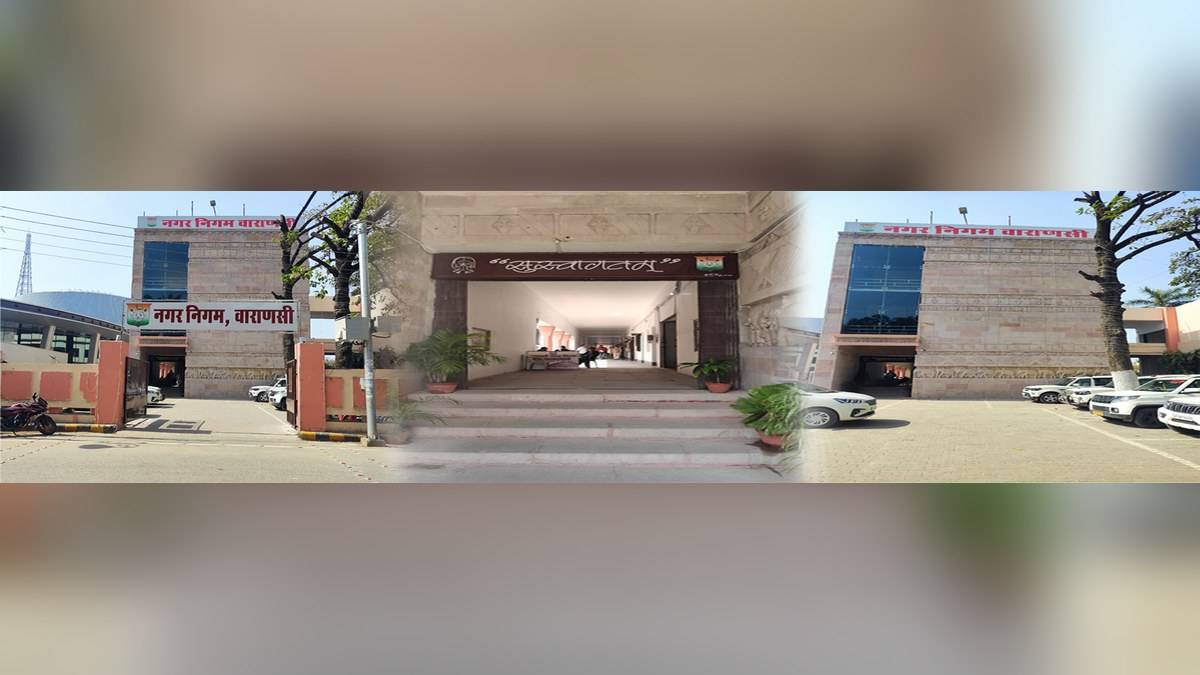
VARANASI: The municipal corporation set out new Chhath preparation duties at a review on Tuesday, November 10, 2026, covering the Ganga riverfront from Namo Ghat to Samne Ghat, Ramnagar's ghats, the built ghats of the Varuna and the city's ponds and kunds. The directions include inspections, changing rooms, lighting and safer access over muddy ground, extending the cleaning activity as reported earlier on dalimss.news.
Residents preparing to visit these locations should check the approach to their chosen ghat and report broken surfaces, accumulated waste or failed lighting to the corporation. Its official website lists 1533 for complaints concerning municipal services. A repair direction is a commitment to undertake work, rather than confirmation that every site is already ready.
The arrangements affect families using the riverfront as well as neighbourhood water bodies. The review assigned the zonal officers responsibility for their own areas. Reports of the wider Chhath plan also identify Additional Municipal Commissioner Durgesh Mishra as the overall nodal officer, bringing the departments responsible for cleaning, drinking water, lighting and animal control into the same preparation exercise.
Inspections cover access as well as the water's edge
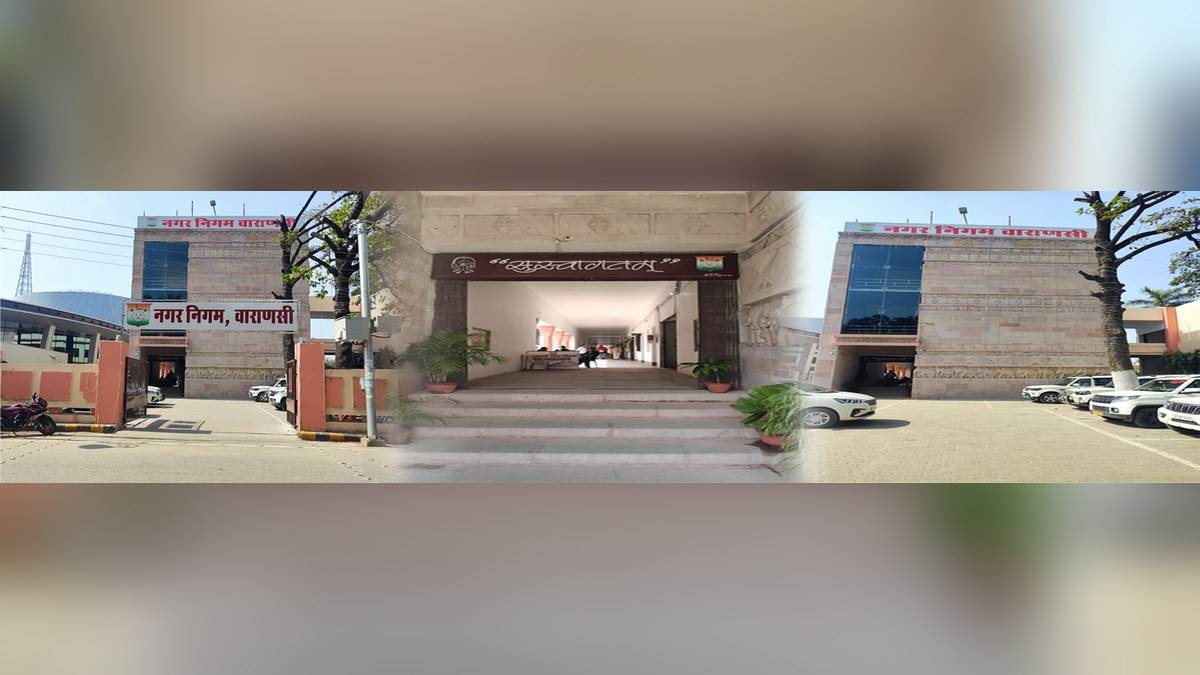
Mayor Ashok Kumar Tiwari and Municipal Commissioner Himanshu Nagpal jointly chaired the November 10 meeting in the municipal auditorium. Two opened accounts of the meeting agree that officers were told to inspect the named riverfront stretches and water bodies closely, then arrange prompt repairs or cleaning wherever they found damage, debris or dirt.
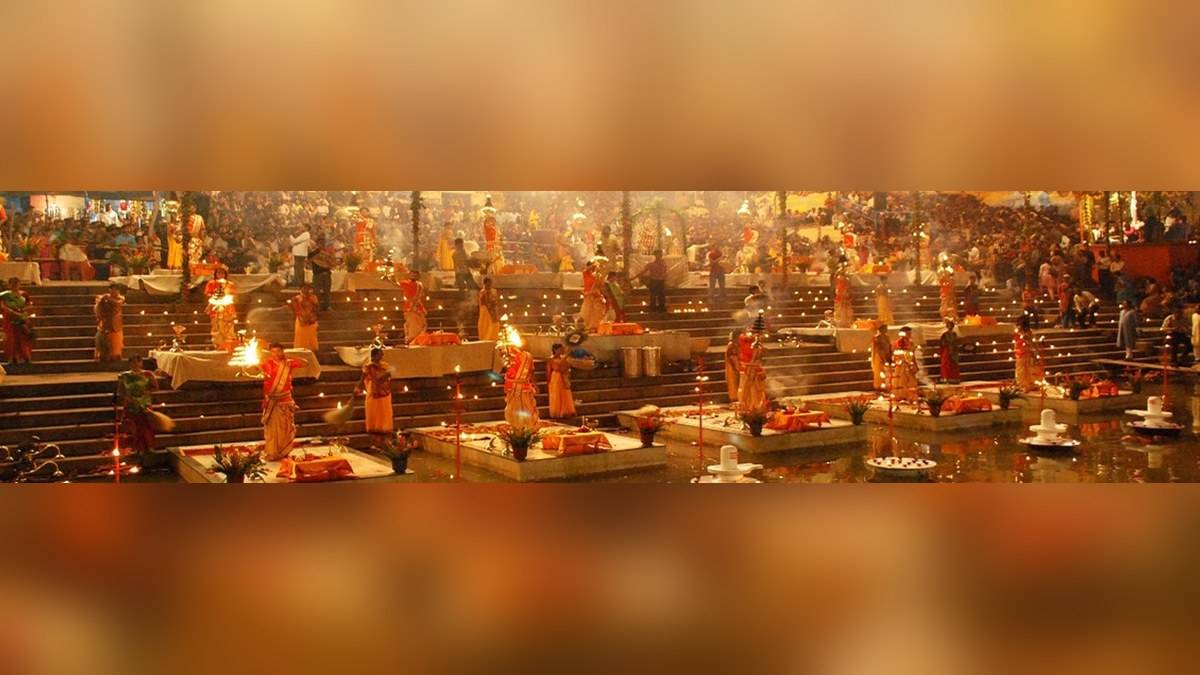
The geographical spread matters. The instruction is not confined to one ceremonial ghat: it includes Namo Ghat to Samne Ghat, sites in Ramnagar, the Varuna's built riverfront and municipal ponds. A family using a nearby kund should therefore look for the same basic preparation as somebody visiting the main Ganga riverfront.
At muddy locations, the corporation directed the placement of sand-filled bags to help people move across the affected surface. Changing rooms were another specific requirement of the review. The lighting department was told to make adequate illumination available, while engineers and health inspectors were instructed to keep visiting the field to monitor the arrangements.
Separate reports of the corporation's Chhath plan agree that sanitation staff have been assigned silt and debris removal, with particular attention to entrances, exits and connecting roads. Keeping the approaches clear is part of the task, alongside cleaning the steps or the immediate place of worship. The order addresses the route a family uses to reach and leave its chosen location.
Water, lighting and barriers are separate duties
The Jalkal Department has been directed to arrange clean drinking water and water tankers at major ghats and worship locations. Reports of the plan also describe repairs to streetlights and high-mast lights on the ghats and access roads, supplemented by temporary lighting. Mobile toilets and changing rooms form part of the provision for women visiting the sites.
Officials have been asked to assess water depth and identify dangerous locations around the ghats and other water bodies. The stated measures include barricades and warning signs to keep visitors, particularly children, away from deep water. These are site safety preparations; the reports do not establish that every marked access point has already passed a completed inspection.
The veterinary department has also been given a role. The meeting directed action to remove stray animals from the ghats, while the wider plan calls for teams to prevent them obstructing worship locations. Zonal sanitation officers were instructed to monitor cleaning through patrols both on foot and by boat.
The official directory lists health, Jalkal, engineering and illumination departments separately. That division of responsibilities supports giving a clear description when a complaint involves more than one problem, such as both a damaged approach and an unlit stretch.
What residents should do
Use the exact location when reporting a problem: the ghat or kund name, the approach road and the nearest recognisable landmark. Distinguish a broken step from a lighting failure or a waste accumulation, so the complaint describes the work needed. Keep children away from locations identified by warning signs and use the designated access rather than crossing a barricade.
The corporation's official contact directory provides another way to identify the responsible zone. It places the Adampur zonal office near Rajghat Primary School, the Bhelupur office in Kabir Nagar Colony at Durgakund, and the Ramnagar office at Tapovan in old Ramnagar. These are directory locations, not newly announced festival control rooms.
For context on earlier local arrangements, see our reports on silt and ghat access, the separate Samne Ghat clearance and festival traffic staffing. The November 10 directions add a defined set of preparation duties; visitors should judge readiness at their own location rather than assume a citywide instruction means every job is finished.