VARANASI: A new municipal plan reported on Tuesday, November 10, puts Additional Municipal Commissioner Durgesh Mishra in charge of coordinating Chhath preparations, with departments directed to check water depth, mark dangerous locations and arrange sanitation, drinking water and lighting. The directions add a named coordinator and several services to the riverfront cleaning work, as reported earlier on dalimss.news.
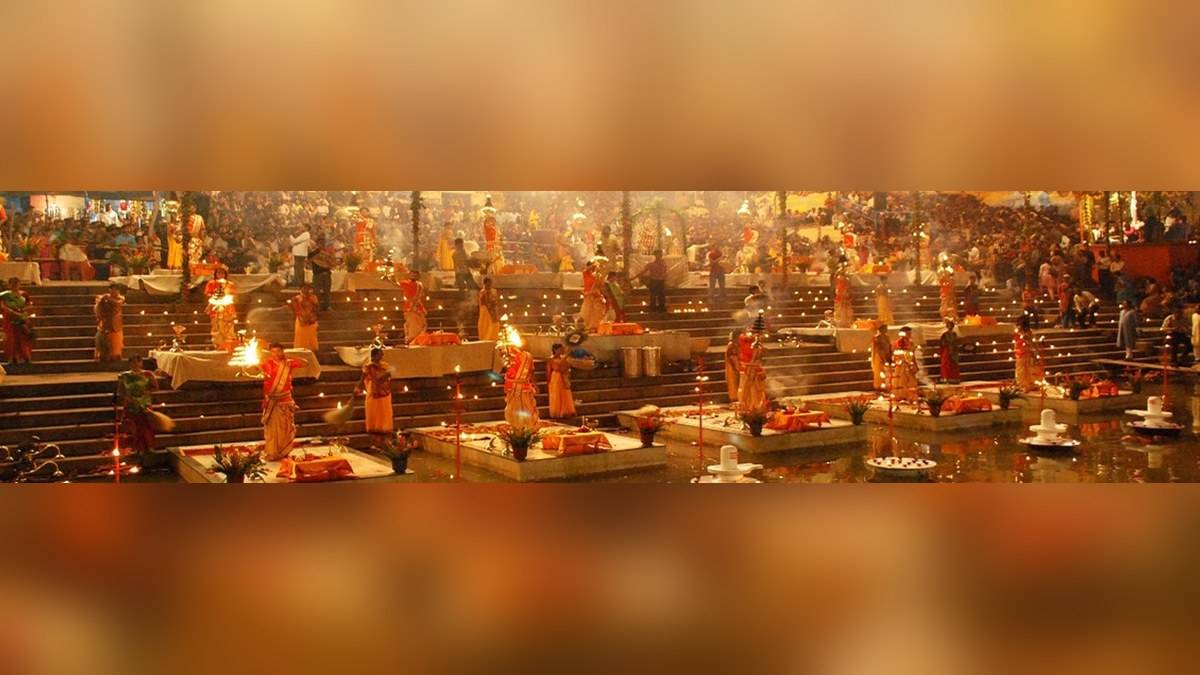
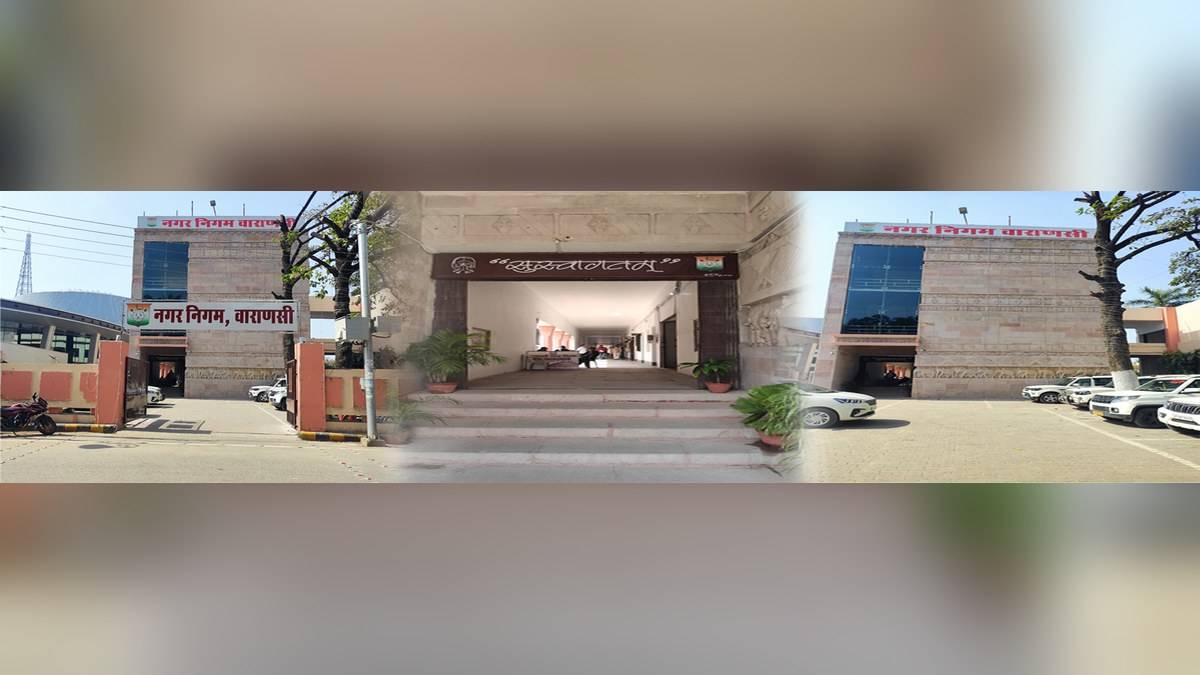
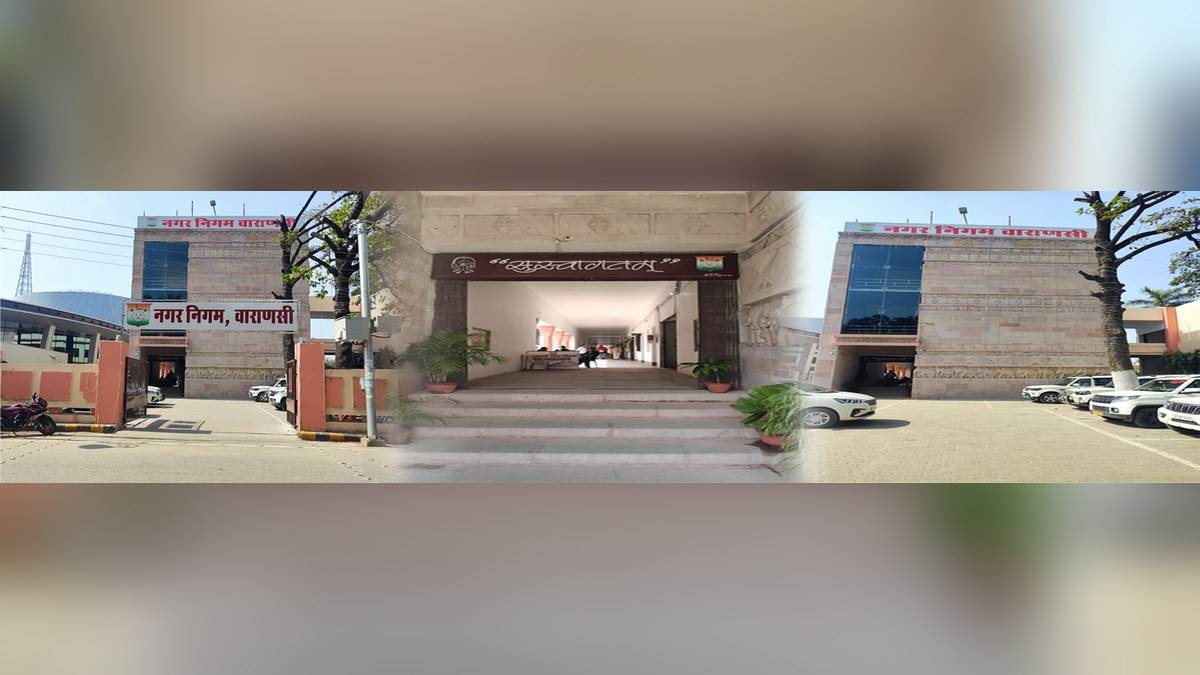
The arrangements concern families using the Ganga ghats and other worship sites across the city's municipal zones. Residents who find blocked approaches, failed lights or missing civic facilities can contact the municipal body, based in Sigra, through its published complaint number, 1533.
For families visiting with children, the most consequential part of the plan is the instruction to identify deep water and install barriers and warning signs. Follow the marked boundary at the site rather than assume that a cleared step or a cleaned approach indicates safe water beyond it. The announcement describes work to be carried out, rather than certifying every location as ready.
Who is responsible for the preparations
Municipal Commissioner Himanshu Nagpal has designated Mishra as the overall nodal officer. The arrangement brings together the departments responsible for cleaning, water supply, lighting and animal control. Zonal officers and sanitation officers have been assigned the work at ghats and worship sites, with instructions to complete the preparations within the required timeframe.
The cleaning brief extends beyond the river steps. Teams are to remove accumulated silt, clear debris and other unwanted material, and maintain the entry and exit routes. Connecting roads and approaches must also be kept free of accumulated rubbish. These are the separate locations residents can identify when reporting an obstruction, rather than simply describing an entire ghat as dirty.
The instructions also cover other water bodies used for worship. Officials have been told to assess the depth of water near both the Ganga ghats and these locations, identify hazardous stretches and place strong barricades and warning signs there. Children are specifically included in the concern about people entering deep water.
Water, lighting and facilities for women
The Jalkal Department is responsible for adequate clean drinking water at major ghats and worship sites. Water tankers form part of that provision. Residents checking arrangements should distinguish drinking water availability from the condition of the river or pond itself: the supply instruction is for clean water to be provided to visitors.
The illumination department has been told to repair streetlights and high mast lights at ghats, approach routes and connecting roads. Where permanent lighting is insufficient, temporary lighting is to be arranged. A working light at the main worship point therefore does not exhaust the department's assignment; the access route is also covered by the directions.
Changing rooms and mobile toilets are being provided for women attending the festival. The November 10 reports do not give a site by site count or a location map for these facilities. Visitors should check what is actually available at the worship site they intend to use, particularly when helping an older relative or accompanying children.
Veterinary department teams have also been activated to control stray animals around ghats and worship areas. This is a separate part of the preparation plan, alongside waste removal and the water safety measures. The municipal website lists 1533 for civic complaints and specifically includes complaints concerning stray and dead animals.
What residents should do
Use the contact details on the official municipal website when reporting a civic gap. Along with 1533, the site displays toll free number 18001805567 and landline 0542-2720005. Give the ghat or worship site's name, the nearest approach and the specific problem, such as a blocked entrance, failed light or animal obstruction, so the complaint identifies the work needed.
The same municipal homepage directs residents with municipal or Jalkal complaints and suggestions to the Smart Kashi app. It provides another route for reporting issues concerning water and municipal services.
At the waterfront, respect barricades and warning signs, keep children within reach and use the designated approaches. A depth assessment is an instruction to officials to identify risk; it should not be read as permission to enter unmarked water. The reports supply no approved depth for bathing or worship and no universal safe distance from the steps.
Residents can also read the earlier reports on the Samne Ghat land clearance and festival bus arrangements for separate local context. The new municipal directions focus on the facilities and hazards at worship sites; neither those earlier developments nor the naming of a coordinator establishes that every preparation is complete.