
Another Suspect Arrested in UPSSSC Cheating Probe Linked to ₹6-Lakh Deal
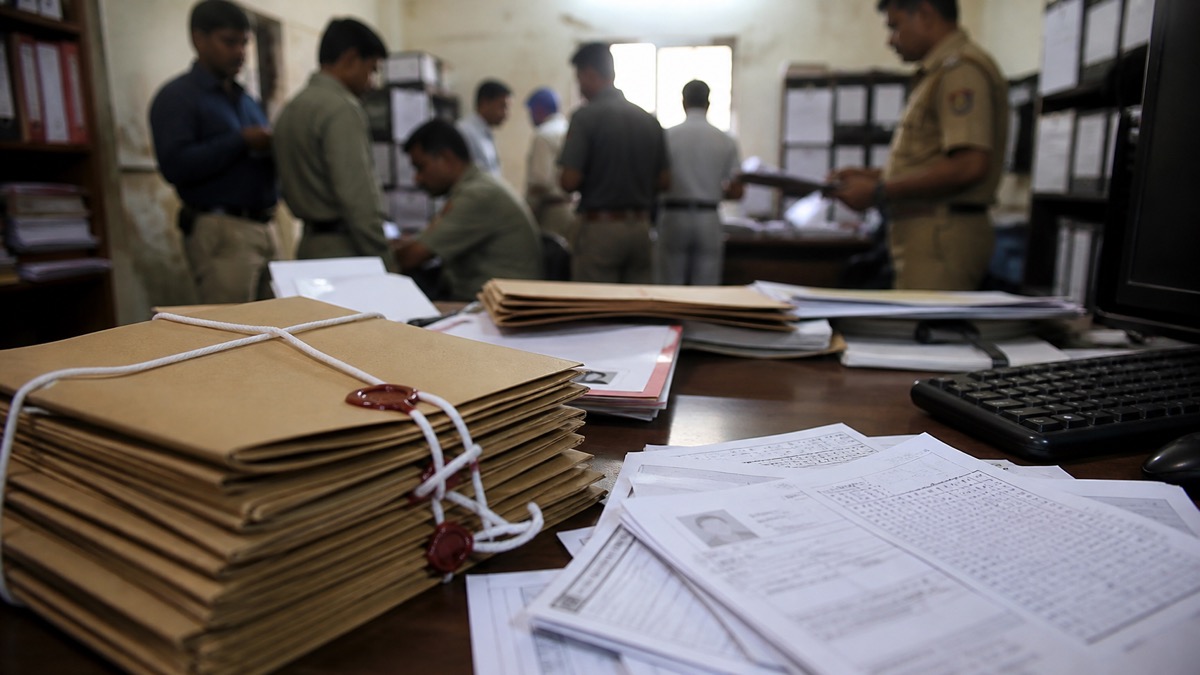
VARANASI: Police have arrested another accused in an investigation into alleged cheating in a Uttar Pradesh Subordinate Services Selection Commission examination, with investigators claiming that a ₹6-lakh arrangement had been made to secure assistance in the selection process.
The arrest adds to a case that authorities describe as an organised network rather than an isolated attempt by one candidate. Police are expected to examine who contacted whom, how the promised help was supposed to work and whether money was paid in cash, through bank accounts or via intermediaries.
The allegation has not been proved in court. An arrest authorises investigation and judicial scrutiny; it does not establish guilt. The evidence must connect each accused to a specific act such as impersonation, supplying answers, manipulating documents or arranging payment.
Following the money and devices
Recruitment fraud investigations are strongest when they move beyond confessional claims. Bank records, call-detail analysis, chats, recovered electronic devices and examination-centre logs can show whether an alleged deal was real and whether it reached officials or remained a scam sold to anxious candidates.
If police seize phones or computers, forensic copies should be created through documented procedures. That protects the integrity of the evidence and gives the defence a clear record of what was examined.
The commission should also review the affected examination data. Unusual seating patterns, identical answer sequences, biometric mismatches or repeated contact details may reveal other attempts. Any candidate whose result is questioned must receive notice and an opportunity to respond.
Protecting honest aspirants
Exam-paper leaks and proxy arrangements damage far more people than those named in a case. Thousands of candidates spend months studying, pay travel costs and organise family life around a test date. Even an allegation of organised cheating can undermine confidence in the merit list.
Authorities should therefore communicate precisely. Public updates should state what stage the investigation has reached without presenting an accused person as convicted or releasing personal data irrelevant to the case. The commission, meanwhile, should explain whether the examination result or any centre requires review.
Aspirants should treat anyone promising guaranteed marks, a solver or access to an answer key as a fraud risk. Preserving the message and reporting it early is safer than paying an initial amount in the hope of withdrawing later.
The latest arrest may help investigators map the network, but the public test will be the charge sheet. It must explain the alleged ₹6-lakh deal with evidence and identify any institutional weakness that allowed the plan to progress.
The commission should publish any security changes arising from the inquiry without revealing details that would help future cheaters. Honest candidates deserve to know that a weakness was addressed. That institutional response will do more to restore confidence than a dramatic arrest photograph.
Sources and reporting
Based on a Dainik Bhaskar report published August 13, 2026. The ₹6-lakh arrangement is a police allegation and all accused retain the presumption of innocence.
Related Stories
HC Flags Gurugram Water Crisis, Sets Oct 1 Hearing

Haryana Notifies Tolls on Three GF Road Sections

HSVP Clears Eatery and Warehouses in Sector 18

Rain-Soaked Ramnagar Stages Ram’s Birth on Ramlila Day Two

DTCP Notices 80 Homes in BPTP Astaire Garden