Varanasi to Get 500-Bed Hostel for Working Women
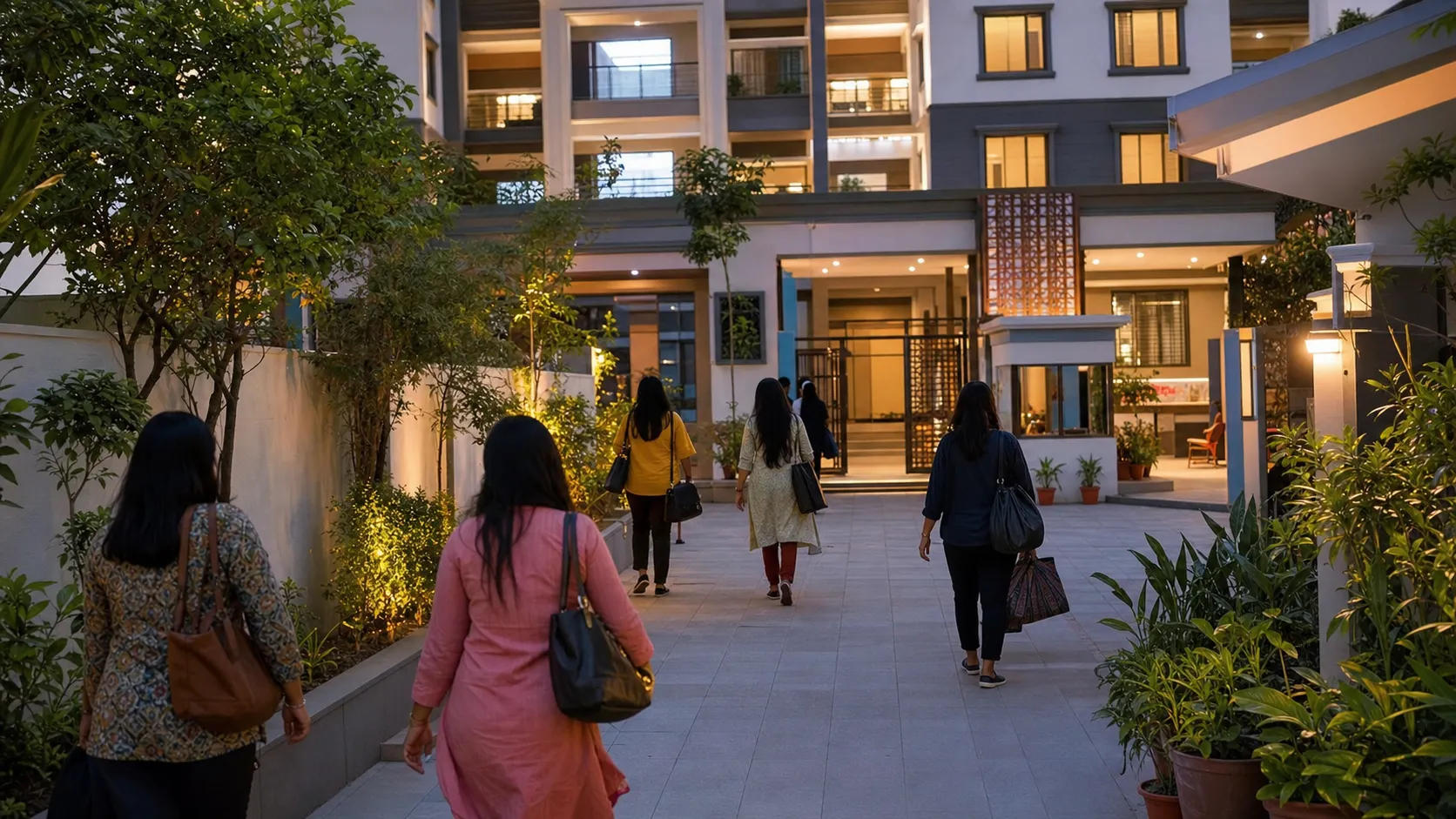
VARANASI: A 500-capacity hostel for working women has received the Uttar Pradesh cabinet’s approval, opening the way for a large state-funded residential facility aimed at women who come to Varanasi for employment or self-employment.
The project will be developed under the Chief Minister Shramjeevi Women’s Hostel scheme. For construction, the cabinet has approved the free transfer of 6,000 square metres of Social Welfare Department land to the Women Welfare Department. A separate hostel for students of Basant Mahila Mahavidyalaya, Rajghat, was also approved in the cabinet decision.
Secure and reasonably priced accommodation is a persistent challenge for women moving to a new city. Varanasi’s economy now draws employees across health care, education, tourism, retail, banking, public services and small businesses, but the formal rental market does not always offer a safe or affordable option close to work. High deposits, restrictive conditions and uncertain transport after late shifts can narrow the jobs a woman is practically able to accept.
A 500-bed public hostel can ease part of that pressure if the final design matches real working routines. Entry systems, women staff, lighting, fire safety, clean kitchens, reliable water, internet access and transport connectivity matter as much as the number of beds. The campus will also need arrangements for residents whose shifts begin early or end late; a hostel that locks everyone into a conventional college timetable would miss its purpose.
The land transfer is an enabling decision, not the completion of the project. Detailed design, budget execution, tendering, construction and an operating framework will follow. The government will also have to define eligibility, rent, length of stay and the process for allotment. Those rules should be published clearly so that access does not depend on informal referrals.
Location will be another decisive factor. A safe hostel on an isolated edge of the city can still leave residents paying heavily for daily travel. Links to public transport, hospitals, major employment clusters and well-lit roads will shape whether the facility is genuinely affordable over a month.
The accompanying hostel for Basant Mahila Mahavidyalaya students addresses a related need at Rajghat, where education and accommodation are closely connected. Together, the two approvals recognise that women’s participation in study and work depends on the urban systems surrounding the classroom or office.
Varanasi often discusses women’s safety through policing and surveillance. Housing deserves equal attention. A stable address gives a worker time, privacy and the freedom to choose a job on merit rather than on whether a relative lives nearby.
The cabinet decision has created the administrative space for that change. The next measure of progress will be visible on the ground: a transparent timeline, a well-connected site and a hostel that working women can actually afford to call home.
Related Stories

AISA’s Azamgarh meeting calls for teachers, laboratories and libraries
ABVP’s DUSU manifesto puts student housing and academic services on the campaign agenda

AP TET 2026 results released; check the correct examination cycle
Supreme Court Sets January 1 Deadline to Vacate Unsafe Chintels Flats

Human Rights Panel Orders Citywide Audit of Gurugram Drains