Two Women Held Over Alleged Public Harassment Near Cantt Station
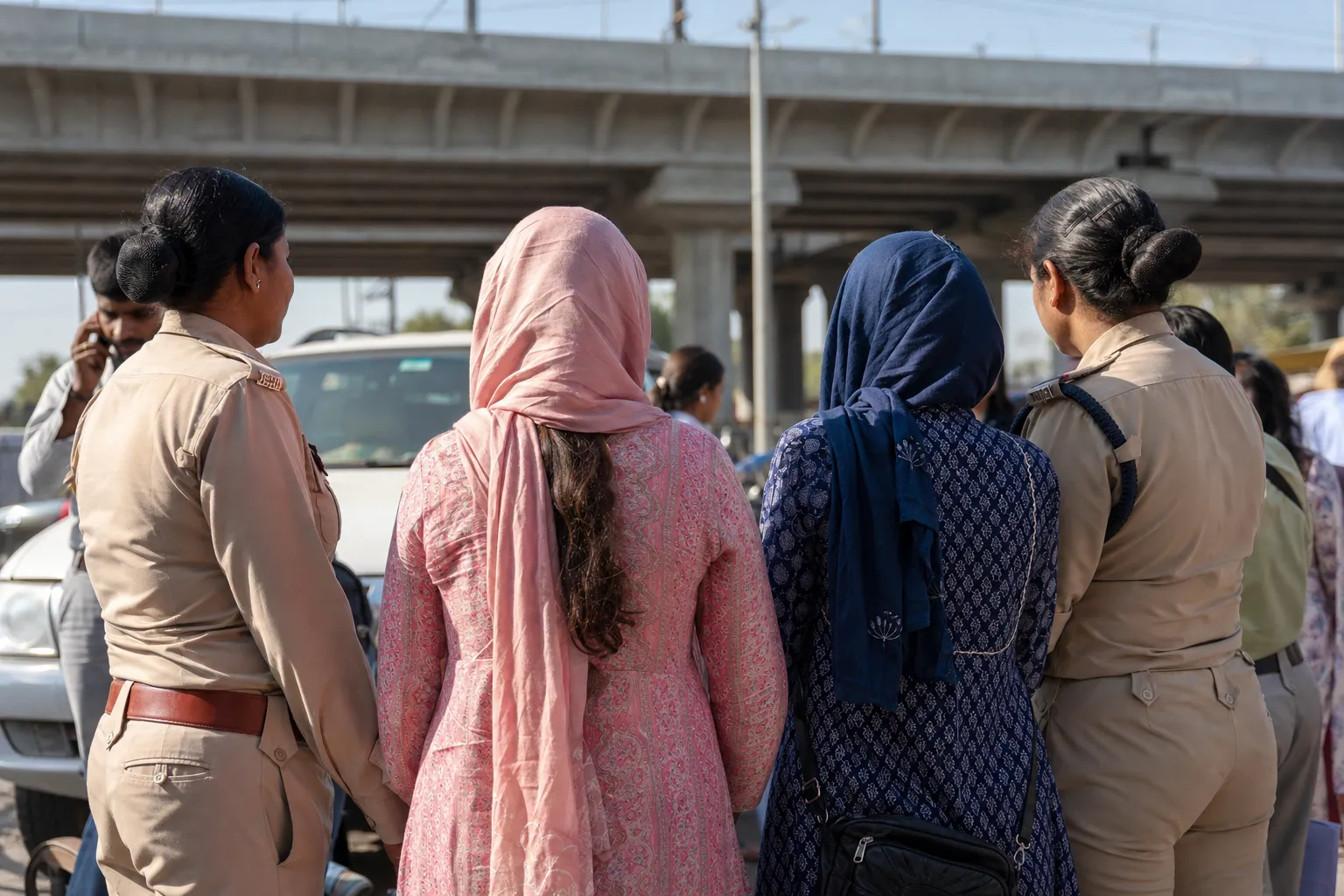
Varanasi, July 25, 2026: The Anti-Romeo Squad detained two women following complaints of alleged harassment of male passers-by near Cantt Railway Station and pillars 57 to 60 of the Sigra flyover.
Police alleged that the women made obscene gestures and comments in the public area. Complaints were reported to involve more than 60 men. The women were described as being from Bihar and Jaunpur, but their identities are being withheld.
A case was registered under Section 296 of the Bharatiya Nyaya Sanhita, which concerns obscene acts in public. The allegations have not been adjudicated, and both women are entitled to due process.
The station area receives a constant flow of passengers, local residents, transport workers and visitors, which makes orderly public movement especially important. Complaints involving abusive, indecent or disruptive behaviour must be assessed from witness accounts, available recordings and the surrounding circumstances. Police are expected to document what was reported, identify the legal basis for their action and give those detained an opportunity to present their account.
A detention or police case does not amount to a finding of guilt. The allegations must be considered through the procedure laid down by law, and the evidence must support the ingredients of any offence invoked. Responsible reporting should therefore avoid humiliating language, photographs used for public shaming or assumptions about motive. Gender does not reduce either the right of the public to safety or the right of an accused person to fair treatment.
Busy transport hubs can generate disagreements that escalate quickly. Passengers who encounter threatening or persistently disruptive behaviour should move toward a staffed, well-lit area and seek assistance from on-duty police, railway personnel or station officials. A clear description of the location, time and conduct is more useful than a confrontation. If it is safe, witnesses can preserve relevant recordings, but they should not obstruct officials or circulate unverified clips that expose bystanders.
The case also highlights the need for proportionate policing in crowded places. Officers must protect commuters and respond to genuine complaints while avoiding unnecessary disclosure of personal details. Statements should distinguish between what a complainant alleges, what officers directly observed and what remains to be verified. Such distinctions help prevent a routine public-order matter from becoming a source of misinformation or online harassment.
Further information may emerge about the complaint, the exact sequence of events and the next legal step. Until then, the confirmed position is limited to the police action against two women near Cantt station and the allegation of public harassment. Any final conclusion belongs to the competent legal authority after the material has been examined. Members of the public should rely on verified updates and avoid identifying or targeting people shown in informal social-media posts.
Related Stories
Joint Railway Team Arrests Two Suspected Mobile Thieves at Varanasi Cantt
Varanasi National Lok Adalat on September 12 to Take Up Traffic, Family and Loan Cases

Failed Transformer Test Puts Bhikharipur Repair Workshop Under Scrutiny

Residents Stop Work After Three-Day-Old RCC Road Is Cut Near BLW Gate

Emergency Repairs Begin on Broken Varanasi-Bhadohi Highway Stretch