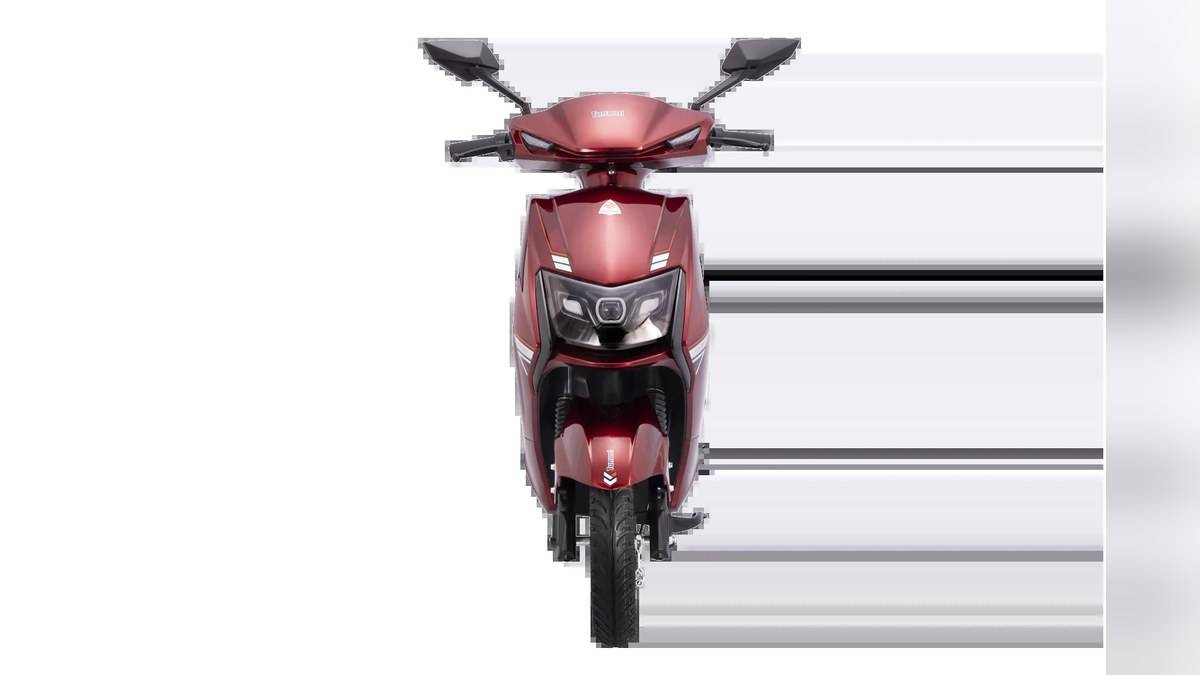


NEW DELHI: The Tunwal E-Boat costs Rs 68,500 ex-showroom with a lead-acid battery and Rs 92,400 with lithium-ion, according to the manufacturer's current variant table. This utility-focused electric two-wheeler makes the battery choice unusually important: the more expensive configuration is listed with greater range and a shorter charging window, while the advertised top speed stays the same.
| Variant | Ex-showroom price | Battery | Claimed range | Charging |
|---|---|---|---|---|
| Lead-Acid 43Ah | Rs 68,500 | 43Ah lead-acid | 70 to 75 km | 7 to 8 hours |
| Lithium-ion 30Ah | Rs 92,400 | 30Ah lithium-ion | 90 to 100 km | 4 to 5 hours |
| Common specification | 25 km/h top speed; base specification lists a 250 W BLDC motor | |||
Price as of 24 November 2026, 23:04 IST. Source: Tunwal E-Motors' official E-Boat page, including its side-by-side battery table. These are vehicle prices, not independently obtained on-road quotations or evidence of a new launch.
The battery upgrade changes the working day
The E-Boat should be assessed around the timetable of its intended user. Someone who parks after the evening market run has a different charging opportunity from someone making repeated trips throughout the day. The higher-priced battery's practical value depends on whether the shorter published charging window removes an actual interruption.
That distinction is more useful than treating the larger rupee amount as an automatic recommendation. If the scooter can stay parked and connected overnight, the cheaper version may fit the routine. If it must return to work after a shorter stop, compare the available break with the stated full-charge time before choosing a battery.
Range needs a load and route attached
The table's distance bands are manufacturer claims. They do not establish what a particular rider will achieve while carrying shopping, stock or tools. A utility vehicle's day can also include repeated starts, unexpected collections and a different return route, so the regular journey should leave a sensible reserve rather than consume the whole advertised distance.
Tunwal positions the E-Boat for practical and commercial use. That makes a representative demonstration especially valuable. Bring the dimensions of what you normally carry and examine where it can be secured without interfering with the rider. A general load-capacity statement is not a detailed approval for every rack arrangement or bulky consignment.
Utility is about handling as well as carrying
The opened base specification lists hydraulic suspension, alloy wheels with 10-inch tubeless tyres, drum brakes at both ends and an anti-theft function. It also says there is no reverse gear or USB charging. Those omissions matter on a vehicle being considered for repeated parking and collection stops.
For a shopkeeper, the awkward moment may be pulling away from a crowded loading space rather than riding along an empty road. Check steering clearance, stand operation and the effort needed to turn the scooter in the space available. A photograph cannot tell you whether the layout works beside your own counter or gate.
The speed limit also deserves attention before the range claim. Extra battery capacity does not convert this into a faster scooter. A business route that mixes quiet lanes with faster traffic needs a closer assessment than a route contained within a neighbourhood. Working distance and suitable road conditions are separate questions.
Specify the exact pack on the quotation
The two priced batteries have different chemistry and capacity descriptions. Keep those descriptions on the invoice and handover paperwork, along with the charger supplied for the chosen configuration. Do not compare battery options by the capacity number alone; it is not a substitute for the complete battery specification and the manufacturer's stated operating conditions.
Also ask whether charging requires the scooter to remain beside the socket. The visible table does not establish a removable-pack procedure. A business operating from rented premises should settle access to parking and electricity before relying on charging there. A workable routine matters more than an optimistic assumption about a nearby plug.
Who should put it on a shortlist
The E-Boat is relevant to riders looking for a purposeful local utility machine, with a battery choice they can match to a daily schedule. It is less convincing as an undefined all-purpose purchase. Write down the tasks first, then check whether its layout and operating pace suit them during a demonstration.
For related reading, see our Tunwal Lithino Pro price: Rs 70,990 ex-showroom, Okinawa Dual 100 at Rs 1,19,085: a guide for delivery riders and River Indie electric scooter price starts at Rs 1,61,699 in Karnataka. These provide different utility and commuting reference points; they should not be treated as interchangeable vehicles.
Tunwal advertises a one-year comprehensive warranty. Obtain the separate battery conditions, permitted-use terms and replacement process before accepting the scooter for work. The published prices establish the starting comparison; the written configuration and service arrangements determine what is actually being supplied.
In Tunwal's comparison selector, E-Boat and Lithino Pro both occupy the longer-range part of the low-speed line-up. The choice is therefore also about layout and intended work. A utility-focused frame should be assessed against what it needs to carry, rather than selected solely because its upper range claim resembles a commuter scooter's.
Official source: Tunwal E-Boat specifications and variant prices and Tunwal's model comparison selector.