
CHENNAI: TRIOLT Energy designs and manufactures advanced lithium-ion cells aimed at drones, electric vehicles and stationary storage, with a special focus on high-discharge packs for aerial and fast-charge EV use. The company's website describes cells built for Indian heat, fast charging and long cycle life, and lists product families for agriculture drones, surveillance drones, mapping drones, cinema drones, eVTOL and cargo drones, plus a fast-charge EV cell line.
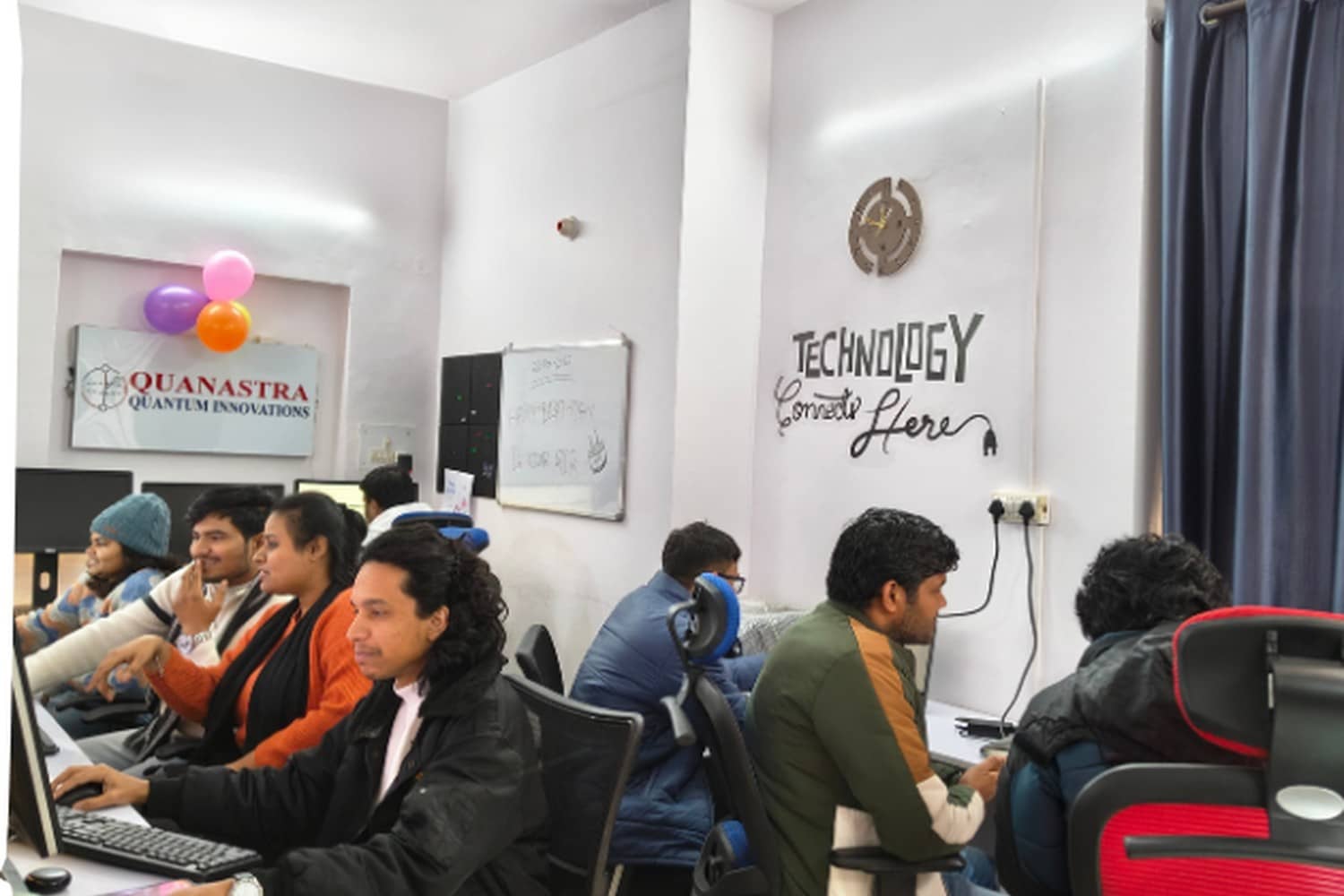
TRIOLT was named among the first four investments of IITM Unicorn Frontier Fund I in Hathor Rockets' 26 September 2026 newsroom post, alongside Hathor, Quanastra and Carbelim, when the fund's Rs 450 crore first close was announced at Sangam 2026. That is the clearest public funding marker tied to TRIOLT in the sources reviewed for this report.
What the product pages emphasise
Drone batteries on the site are pitched for endurance, rapid charging and field ruggedness. The EV cell line is described as a 15-minute fast-charge design with heat-resistant performance for Indian conditions. Those claims are manufacturer statements; Dalimss News has not lab-tested the cells.
Contact email on the contact page is info@trioltenergy.com. The company presents itself as designing and manufacturing cells, not only trading packs, which matters for quality control and export paperwork.
Why drone and EV cells are a strategic niche
India's drone rules and agri-spray demand need packs that survive dust, heat and high current draw. EV two-wheeler and small commercial makers need fast charge without cooking the pack in summer. A domestic cell maker that can hit both niches reduces import dependence for a critical component.
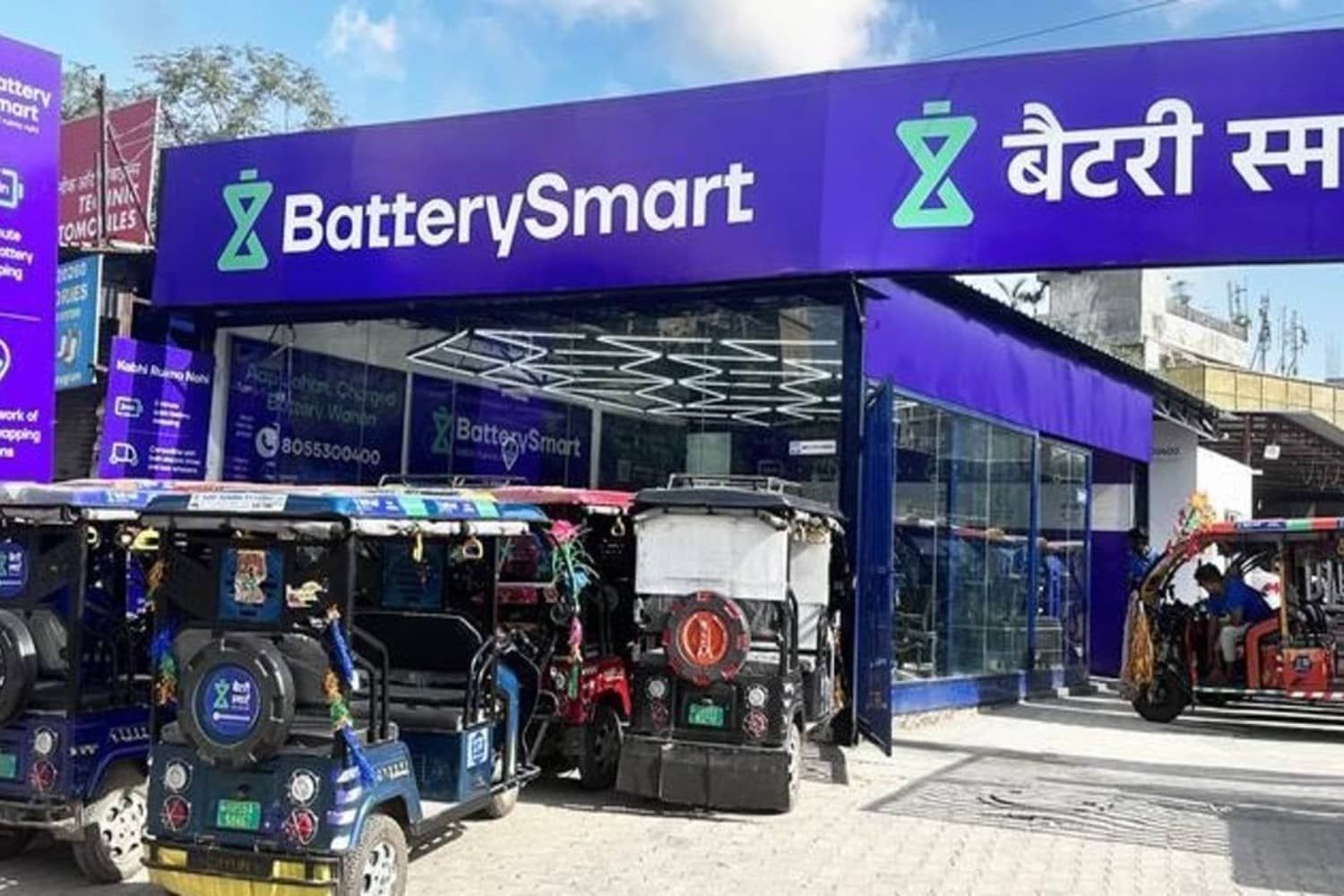
For related mobility hardware coverage, see Simple Energy's scooter line-up and Ultraviolette's Tesseract plans. Those OEMs need cells from someone; TRIOLT wants to be that someone for aerial and fast-charge use cases.
Gaps in the public record
TRIOLT's site does not publish a detailed Series ticket size from the IITM fund, nameplate capacity in MWh, or named OEM design-wins. Buyers will ask for cycle-life curves, safety certifications and supply lead times before locking a bill of materials.
Being listed in the Unicorn Frontier Fund's opening cohort is a credibility signal. Shipping consistent cells to drone and EV customers is the test that follows. TRIOLT's own pages say that is the work now under way.
Cell manufacturing is capital intensive and unforgiving on safety. A start-up can design a high-discharge chemistry and still fail on yield, formation cycling or pack integration. TRIOLT's public focus on drone and fast-charge niches is a way to avoid competing head-on with giant commodity cell plants while still selling into growing Indian end markets.
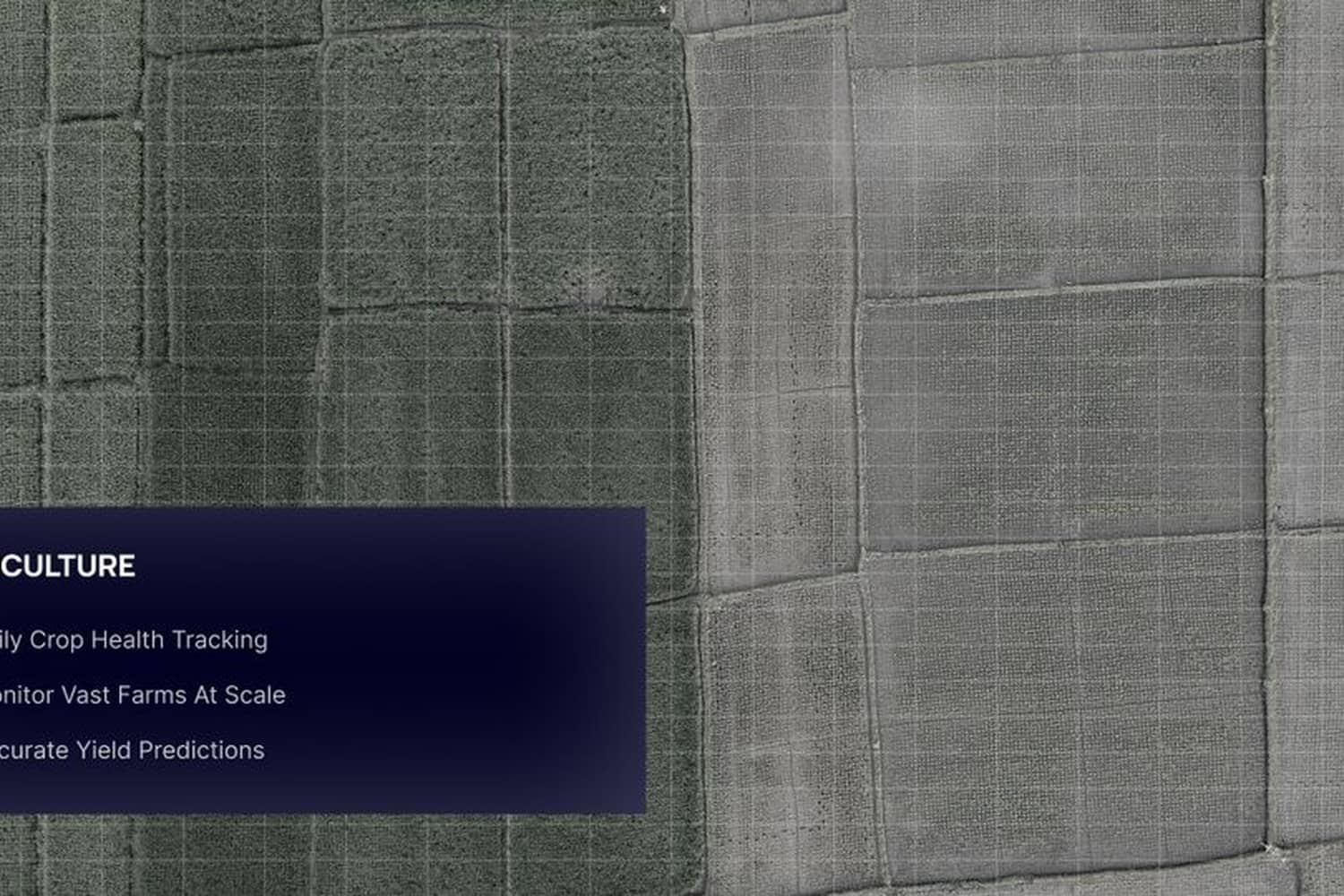
Agriculture and mapping drones are sensitive to weight and to how a pack behaves when current spikes mid-mission. EV cells marketed for 15-minute charge have to survive Indian ambient temperatures without aggressive throttling. Those are different thermal design problems. TRIOLT listing both on one site suggests a shared cell platform with application-specific packaging, but the pages do not publish the underlying chemistry details.
As with other inaugural Unicorn Frontier names, the Hathor release is evidence of selection into the fund's first set, not a substitute for TRIOLT's own capital disclosure. Buyers and reporters should ask the company for datasheets, certification marks and named pilot OEMs. Those documents will say more about readiness than a cohort mention alone.
Drone OEMs in agriculture and security are multiplying in India, and many still import cells. A domestic supplier that can meet BIS and transport rules while hitting discharge curves would remove a procurement headache. TRIOLT's site speaks to that buyer with application-specific pack pages rather than a single generic cell SKU.
Fast-charge EV cells face a different customer: scooter and L5 makers who market charge times in minutes. Those OEMs will demand abusive-test data and thermal runaway behaviour before branding a pack as 15-minute capable. TRIOLT will have to show that packet of evidence as it moves from fund cohort member to qualified vendor.
Those vendor conversations, more than cohort lists, will decide whether TRIOLT becomes a default cell source for Indian aerial and light EV platforms over the next two years.