
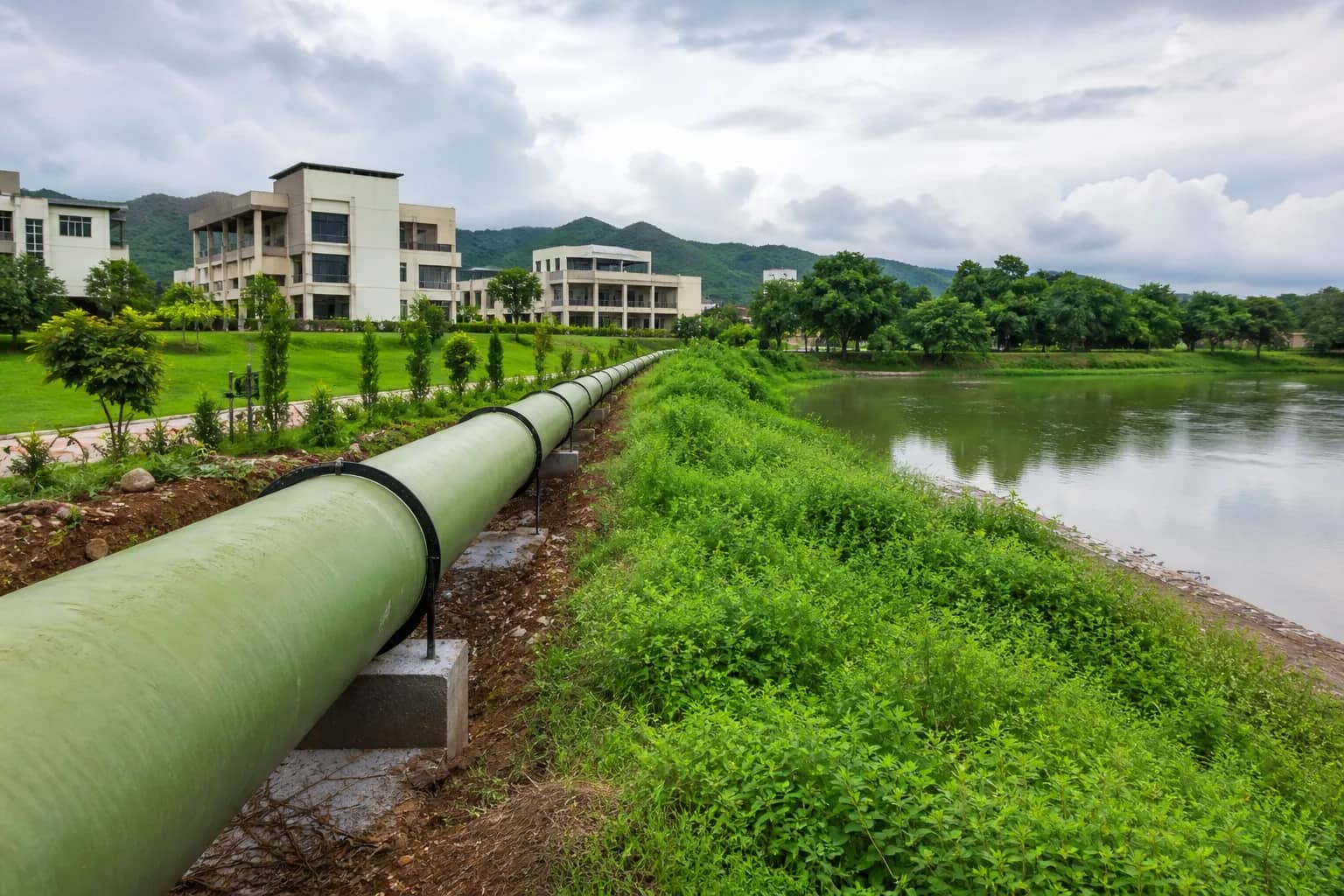
GURUGRAM: Nearly 27 million litres a day of treated wastewater from the Behrampur sewage-treatment plant is planned for horticulture, institutional green areas and ponds in Bhondsi and nearby villages, reducing the use of freshwater for jobs that do not require drinking-water quality.
Three pipelines have been laid towards the Police Training Centre at Bhondsi, Gairatpur Bass and Tikli. The network is intended to create regular users for tertiary-treated water that would otherwise remain underused or be discharged, while easing pressure on groundwater and the city's potable supply.
The largest share, about 18 MLD, is proposed for the police training campus through a 7.6-kilometre pipeline built by the irrigation department. Spread over more than 500 acres, the campus uses substantial water for green areas, the parade ground, horticulture and horse stables.
An internal distribution network is still being developed by the Haryana Police Housing Corporation to carry the supply across the campus. That work is scheduled for completion by November 28, which means the reuse system should not yet be described as fully operational.
Quality clearance required before use
Haryana State Pollution Control Board officials have been directed to collect samples at all three receiving locations and confirm that the treated water meets prescribed standards before regular use. Continued testing will be essential after commissioning, not just at the opening stage, because treatment performance can vary with inflow and plant operation.
A separate 8.3-km pipeline laid by the Gurugram Metropolitan Development Authority is designed to carry about four MLD to Gairatpur Bass. The wider plan also covers Tikli and the replenishment of ponds, creating the possibility of a distributed reuse network rather than a single institutional connection.
Why reuse matters for Gurugram
Gurugram's sewage-treatment plants currently generate roughly 243 MLD of tertiary-treated water. Finding dependable demand for that output is a core urban-water challenge. Green belts, construction, road washing and selected industrial processes can often use treated water, leaving higher-quality supply for homes and essential services.
The environmental benefit depends on execution. A pipeline does not guarantee use, and a stated capacity does not mean that the same volume will flow every day. Receiving sites need storage, pumps and internal lines; agencies need a clear maintenance arrangement; and quality results should be recorded consistently.
Pond replenishment also requires care. Treated inflow can support a water body during dry periods, but poor-quality discharge or continuous overfilling can create odour, algal growth or overflow. The amount supplied should match the pond's ecological and drainage conditions.
If the Bhondsi network clears testing and reaches steady use, it could provide a practical model for other large campuses and village clusters around Gurugram. The immediate milestone is not the announcement of 27 MLD, but the completion of distribution works and verified delivery of compliant water to each intended user.